
Woman inspired by working in waste management to turn trash into something good in Ontario
Published July 10, 2025 at 1:35 pm
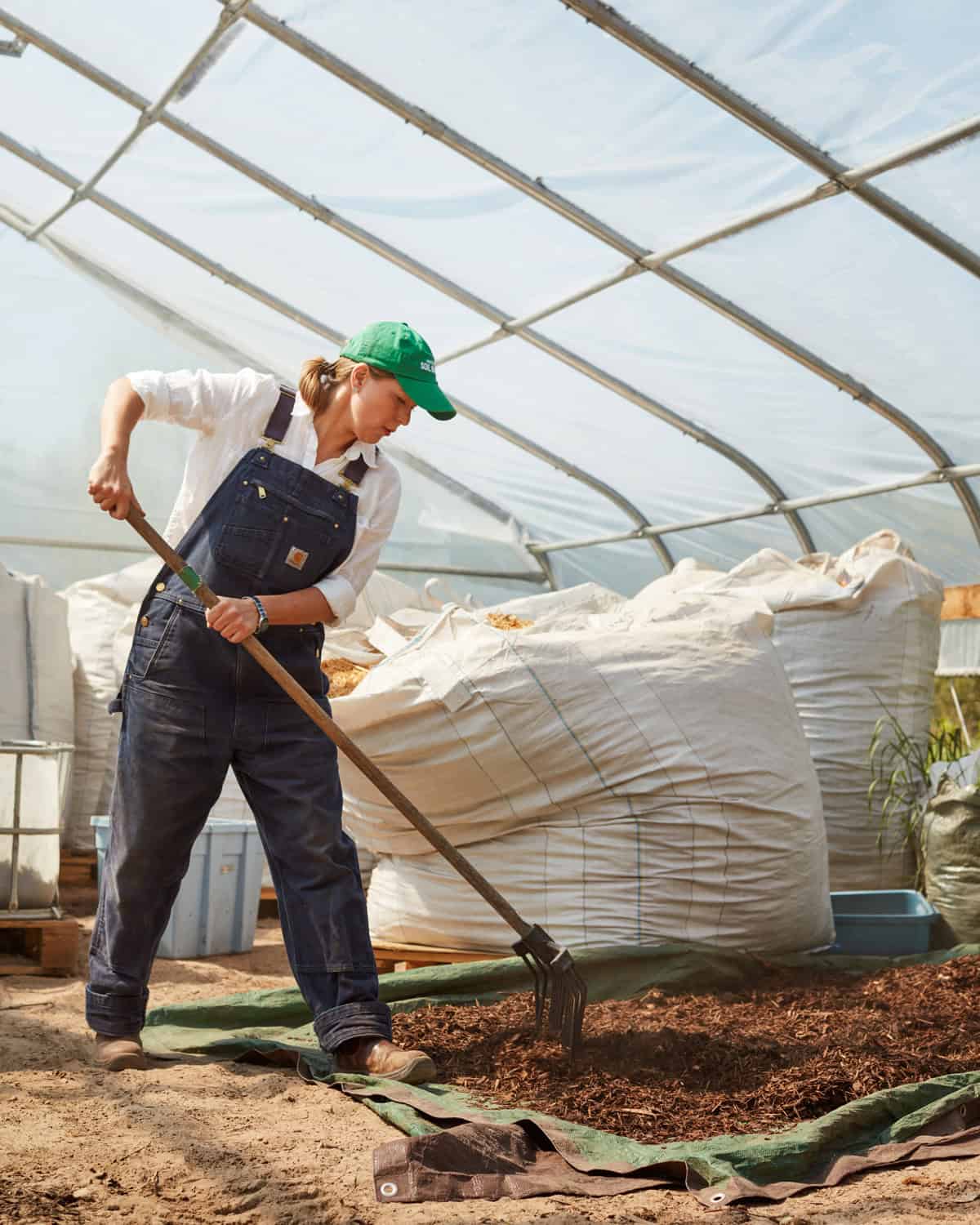
After decades of working in waste management, a woman was inspired to change those traditional systems to put food waste to good use to create healthy soil that’s great for plants.
Jocelyn Molyneux holds a Master’s degree in Applied Environmental Science and Management, and has years of experience in the fields of sustainability and regenerative growing. She channeled her scientific knowledge and passion for environmental issues into founding Wastenot Farms in 2013 to find a different way of dealing with waste.
“Organic waste often ends up in landfills due to a lack of proper infrastructure, turning what should be a valuable resource into an environmental burden,” Molyneux tells YourCityWithIN.com.
She started out with an office compost pickup service for organic waste.
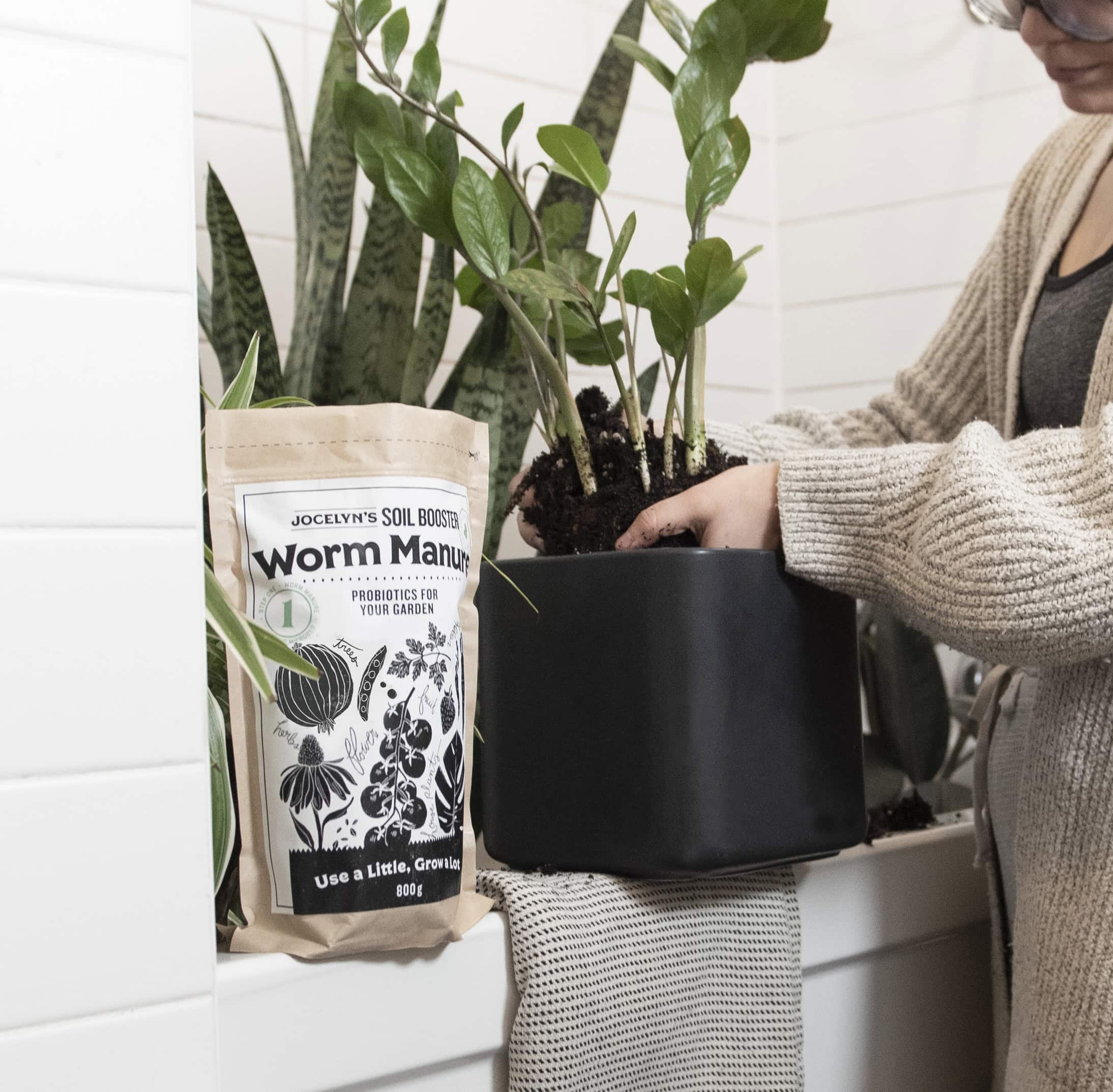
“This eventually evolved to include Jocelyn’s Soil Booster, a line of regenerative soil products made from food waste processed by worms,” says Molyneux.
What started out as a single worm bin in her backyard has now grown into a “commercial-scale ecosystem that transforms waste into a powerful tool for rebuilding soil health,” according to Molyneux.
The compost collection service now gathers food scraps from all kinds of places like coffee shops, restaurants and breweries.
“This diversity of inputs is key, allowing the worms to consume a wide array of nutrients, which is then reflected in the richness of their manure,” says Molyneux.
“This output is produced in small batches to ensure the product is fresh and biologically active. The resulting supercharged natural soils support thriving plant life, 100 per cent natural and free from synthetic additives.”
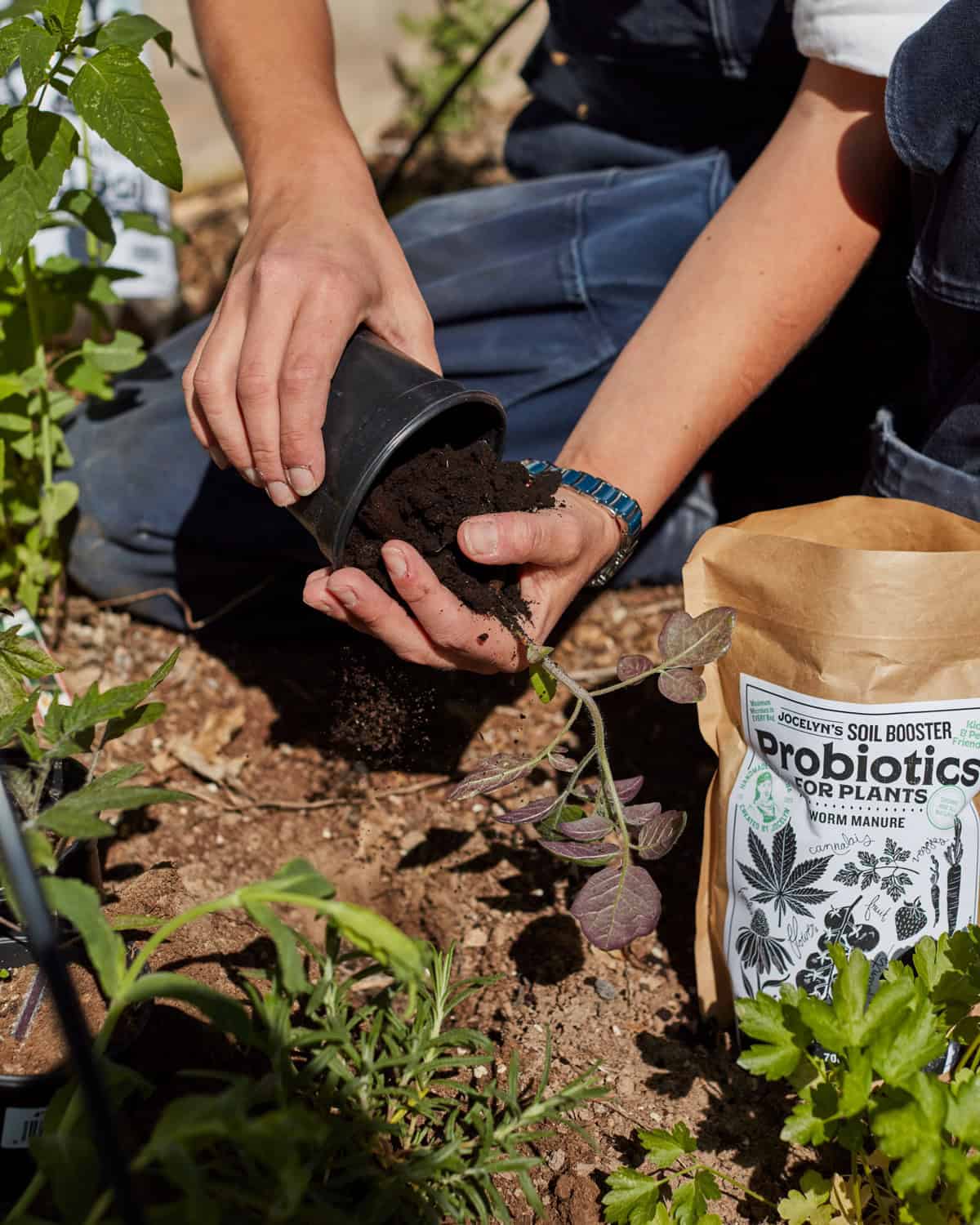
So if you feel like you’ve been doing everything right and your garden still isn’t flourishing, the reason could actually be your soil.
She compares her products like the soil booster to feeding yourself probiotics, as opposed to ultra-processed food. Similarly, if you’re wondering why your garden isn’t thriving, it might be because it’s not well nourished enough by the processed, stripped down, stale, “dead” soil on many store shelves.
Her soil booster contains living organisms that literally “boost” the ecosystem of your soil, which helps plants to grow more bountifully and become more nutrient dense, and even pull extra carbon out of the air.
The worm manure in the soil booster feeds the roots of plants, is spongy and absorbent so it holds onto water for less frequent watering, and is all natural unlike many chemical fertilizers which are actually toxic to soil and can burn the roots of plants.
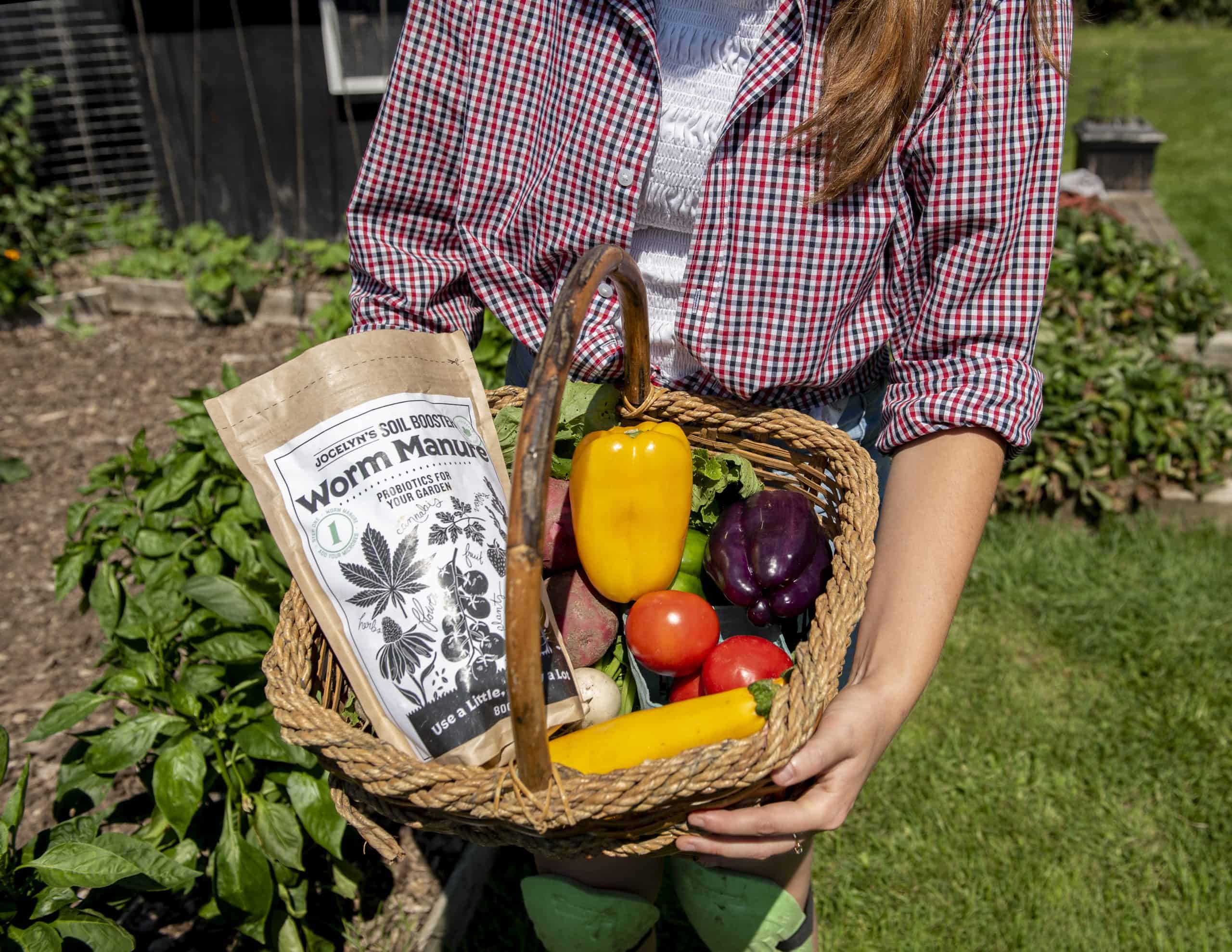
“Just as a healthy gut microbiome is essential for human health, healthy soil ecosystems rely on a diverse and active microbial community to function properly. Regenerative soil products restore dead dirt by reintroducing beneficial microbes, organisms often destroyed by chemical fertilizers and pesticides,” says Molyneux.
“These microbes unlock soil nutrients and deliver them to plants when needed, empowering growers to cultivate stronger, more resilient plants that provide healthier yields and more nutrient-dense food.”
As if working with living microbes and establishing a powerhouse worm farm wasn’t tough enough, Molyneux faced an unexpected challenge when the pandemic hit.
You might think that the global event wouldn’t necessarily affect the quiet business of worm farming. But lockdowns meant no workers in offices, and no workers in offices meant no office food waste for the worms to munch on.
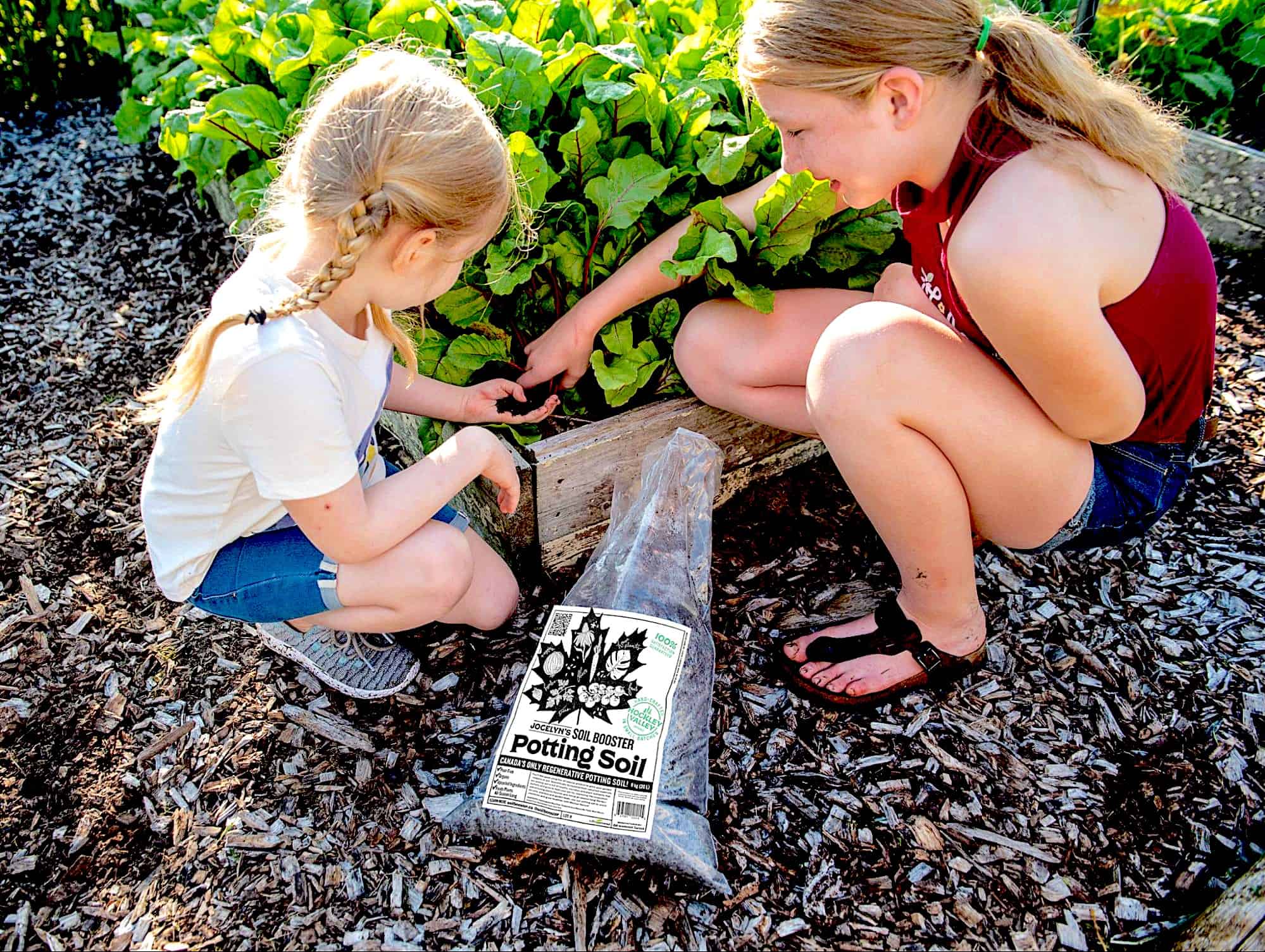
“Like many businesses, significant hurdles came during the COVID-19 pandemic,” says Molyneux. “The compost collection service relied on organic waste from offices, and when these shut down, the supply chain feeding the worms was disrupted. This challenge became an opportunity to focus on developing products for gardeners, many of whom took up the hobby during this time.”
Molyneux’s small-scale compost collection service survived the pandemic to grow into a full-circle regenerative enterprise, but she still has even bigger future hopes to establish worm farming hubs across the country.
“Many feel empowered by the chance to make a meaningful environmental impact in their home and office, through diverting waste from landfills and boosting their garden’s health using natural, living inputs,” says Molyneux.
“Customers feel good knowing that they are supporting a business that is growing healthy plants, people and planet.”