
These new awards are like the Michelin guide for Chinese restaurants in Canada
Published September 28, 2026 at 4:30 pm
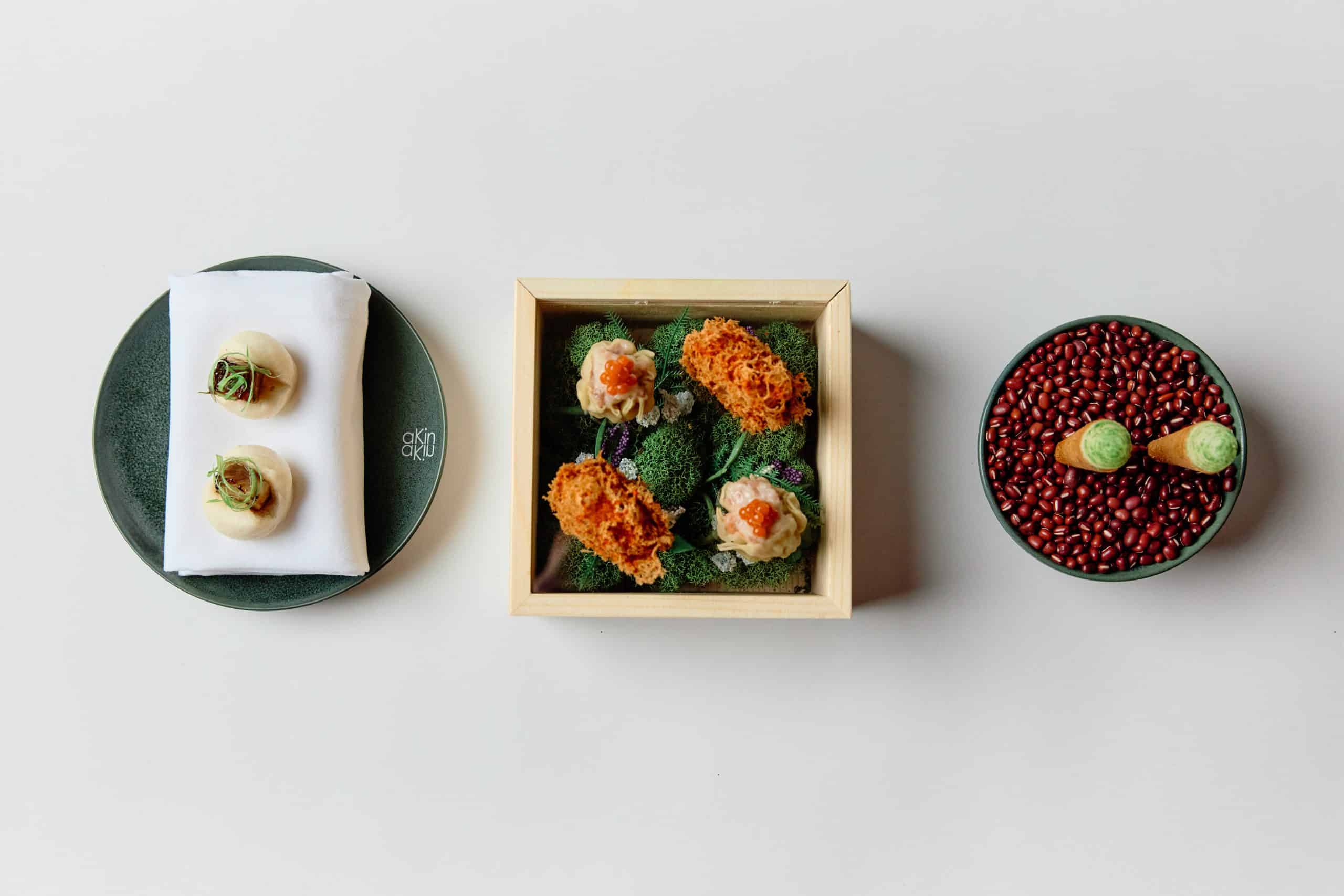
While the Michelin Guide awards ceremony steals the spotlight, a brand new awards ceremony with a new kind of mission has entered the chat: the Chinese Restaurant Awards.
The Chinese Restaurant Awards just announced the rankings for its Elite 30, naming the Top 50 Honourees for the 2026 Elite 30 Canada Awards.
The awards are described as “a nationwide selection celebrating the restaurants shaping Canada’s Chinese dining landscape” that “reflects how Chinese cuisine continues to travel, evolve and find new expression across the country.”
While the restaurant that secured the number one spot originates from China itself and has locations in both Toronto and Vancouver (Mott 32), there are also a couple standout Toronto spots that have made the list that’s composed of mostly Vancouver and Toronto area restaurants.
Ranking just below Richmond Hill icons Flavourful House and Jumbo Lobster Restaurant in the top 10 is newcomer to the Toronto scene aKin, a tasting restaurant from Eric Chong of R&D (which is also on the list).
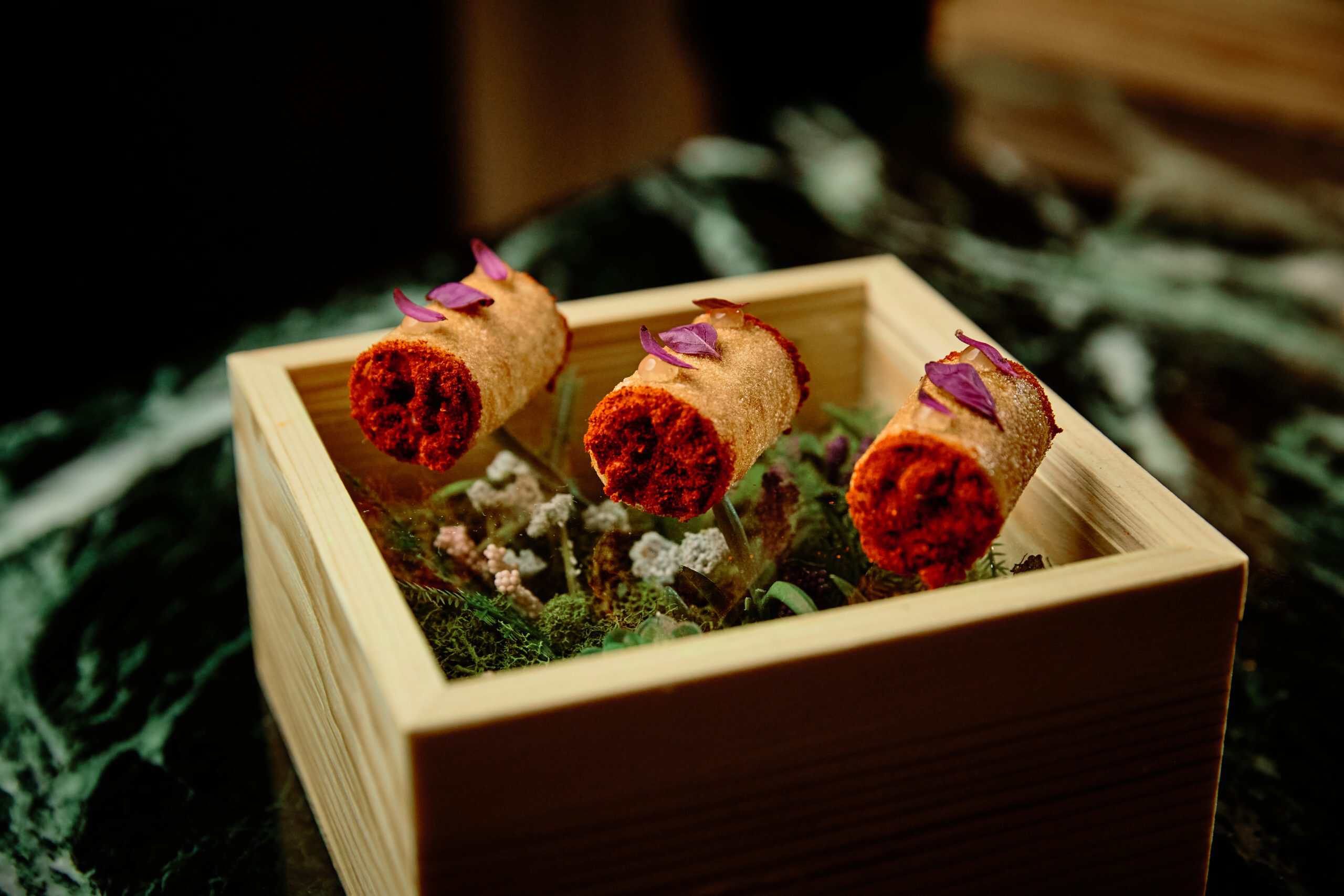
“They represent two very different stages of my career and two different expressions of Chinese food. I’ve always wanted to show that Chinese cuisine can continue to evolve while still respecting where it comes from, so recognition like this feels very meaningful,” Eric Chong tells YourCityWithIN.com.
“R&D has always been about looking at Chinese food through a more playful, modern lens. The food is recognizable and rooted in Chinese flavours, but we have a lot of freedom in how we interpret them. aKin is much more personal and refined. It draws from my Chinese heritage, my upbringing in Canada, my travels, and the different Asian cuisines that have influenced me as a chef. It isn’t strictly a Chinese restaurant, but Chinese flavours, memories and techniques are a major part of its DNA.”
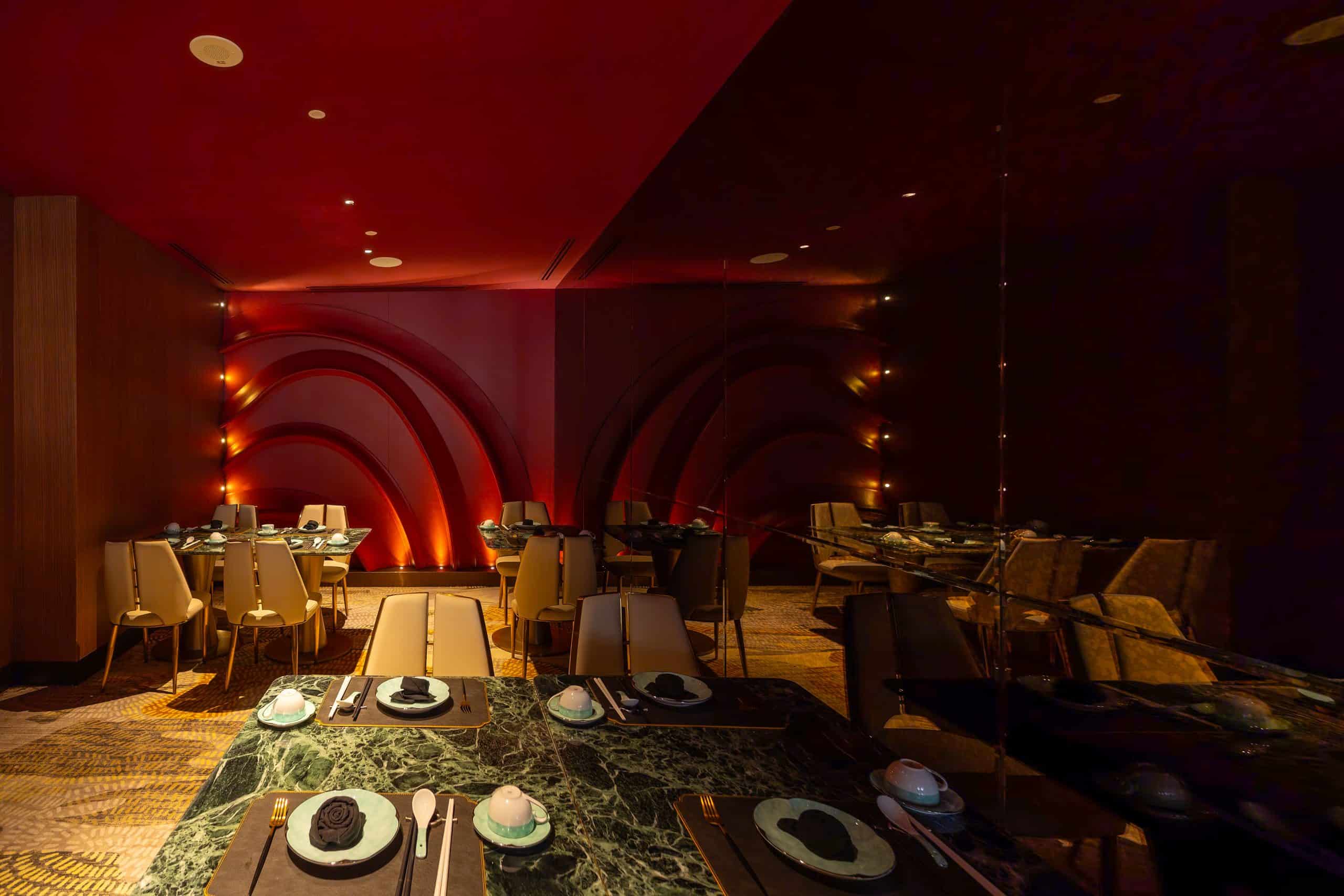
Of course, the list would be nothing without a smashing representation of Toronto’s dim sum scene. Enter Lai Wah Heen, which is known for its impeccable presentation of high end dim sum classics, but is also so much more than that.
“Our relationship with our own farm gives us another important dimension to work with. We are not interested in changing tradition simply for the sake of innovation. Whenever I approach a dish, I begin by asking myself: What is the essential flavour of this dish? Why was it traditionally prepared this way? What is the one thing that cannot be lost?” beverage director and restaurant manager Peony Cen tells YourCityWithIN.com.
“A dish at Lai Wah Heen may appear quite modern when it arrives at the table, but when you taste it, its identity should be unmistakable. It should still tell you very clearly: this is Chinese cuisine, and this is Cantonese cuisine. Our goal is not simply to make food look beautiful. It is to bring together the integrity of traditional flavours, contemporary technique and ingredients grown specifically for our kitchen.”
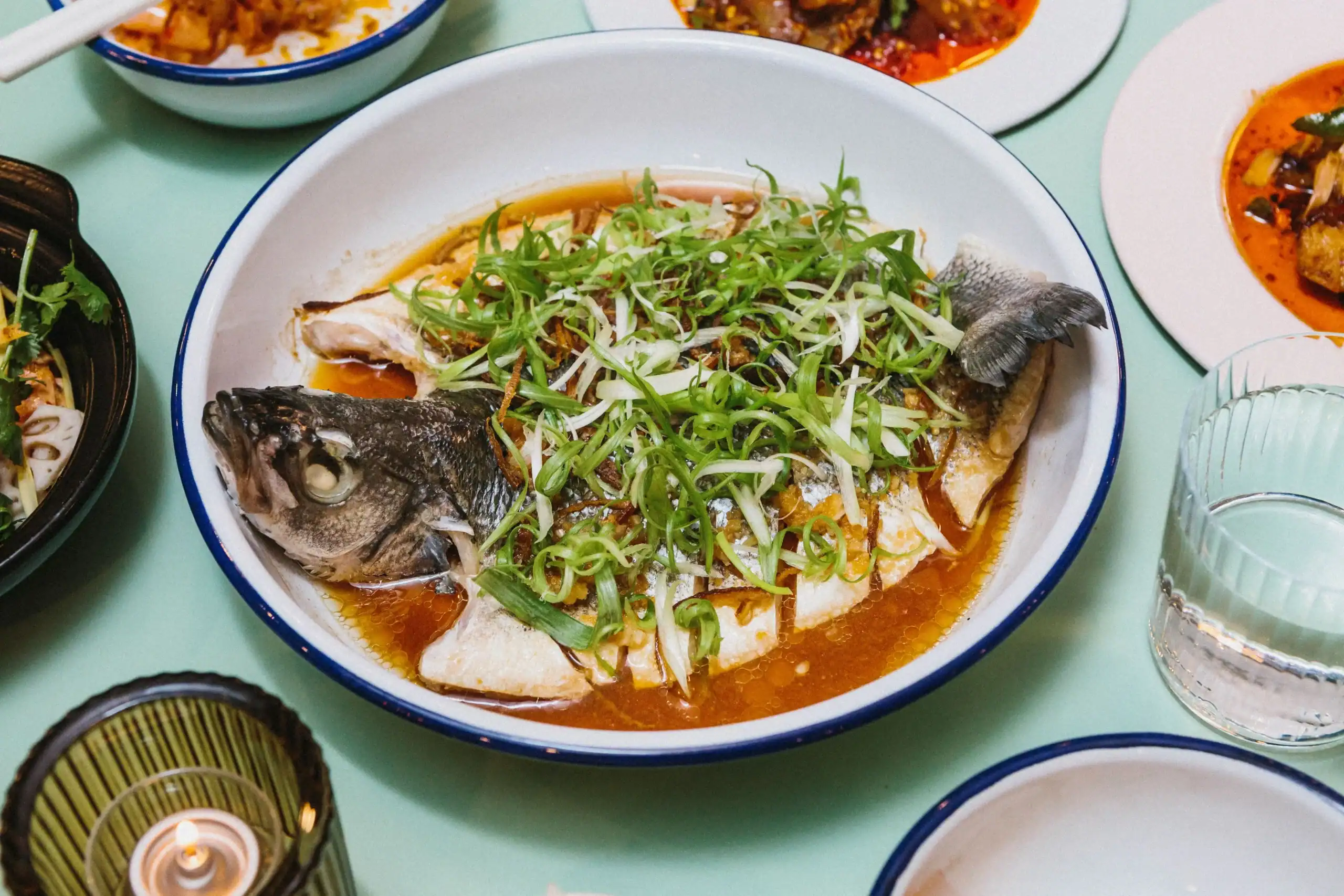
Chinese restaurants Sunnys Chinese and Mimi come to us from Big Hug Hospitality, a powerhouse group that’s taking over Toronto in more than one cuisine right now, more recently branching out to launch Jewish-inspired steakhouse Linny’s.
“It’s quite humbling to be in a list among many chefs who have been doing this for their whole lives but in retrospect we’ve now been doing this for six years which makes us very proud. We are grateful to be recognized by the Chinese Restaurant Awards alongside all of these amazing Chinese restaurants that we also look to for inspiration,” Braden Chong, executive chef at Sunnys Chinese and Mimi, tells YourCityWithIN.com.
“We work hard to innovate in ways not-just-exclusively to the food to offer an experience you can’t otherwise have at another restaurant, Chinese or not. While our main mission is to simply make tasty Chinese food and as we’ve learned over the years, that is no easy feat.”
It’s certainly not, especially seeing as (like the Chinese Restaurant Awards site puts it) “Chinese communities have shaped the way Canada eats for generations.”
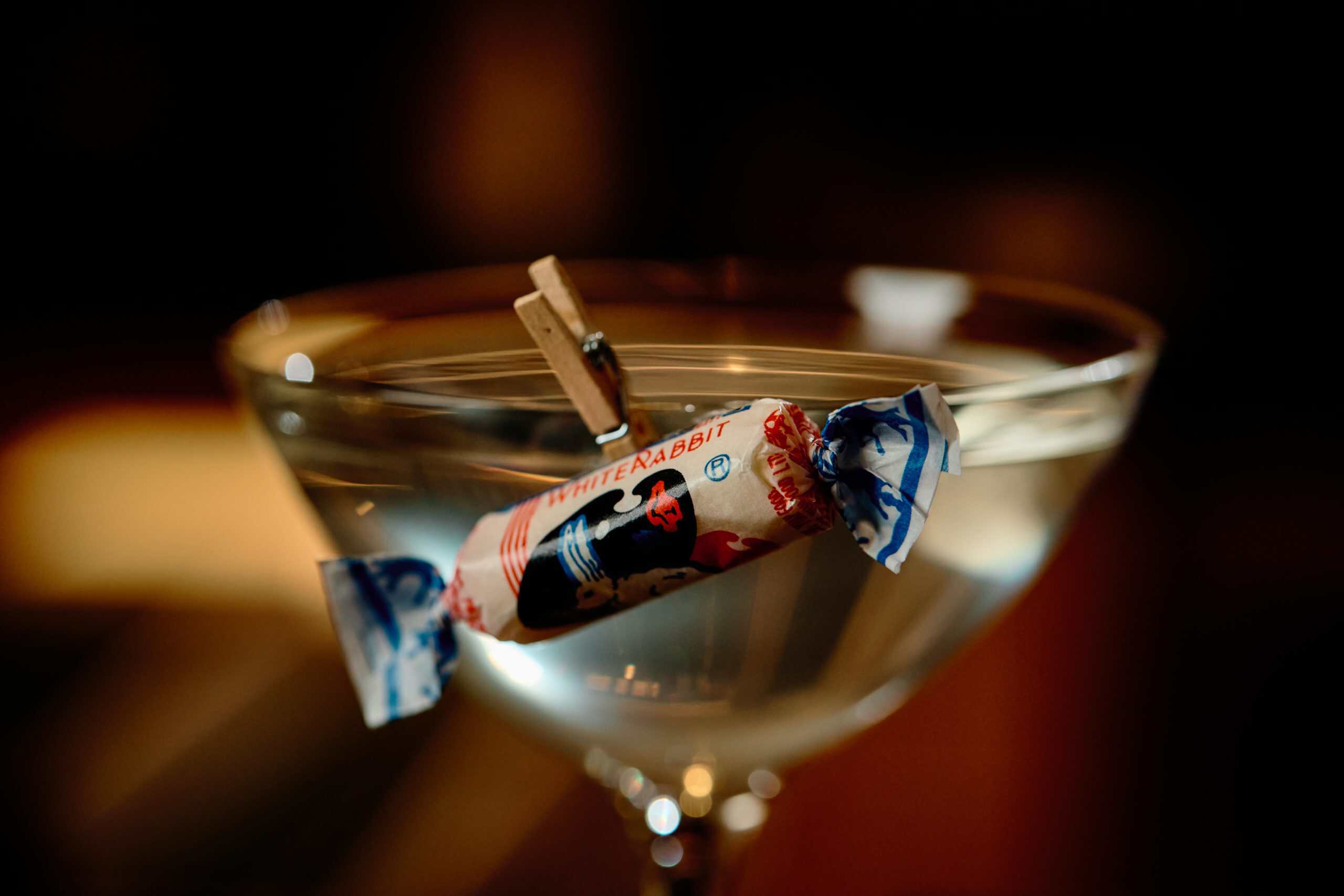
“We have generations of Chinese Canadian cooking alongside restaurants representing so many different regions of China, and at the same time, chefs are exposed to ingredients, techniques and cultures from all over the world,” says Eric Chong.
Cen points out the breadth of regional Chinese cuisine represented as well as the excellent ingredients that are available in Canada.
“Toronto diners have also become increasingly knowledgeable and receptive to regional Chinese cooking,” says Cen.
“Traditionally, many diners approached Chinese restaurants with a few fundamental expectations: the food should be delicious, portions should be generous and there should be good value. Those things remain important, of course, but today there is also much greater curiosity about where ingredients come from, the techniques behind a dish, its cultural history and the overall dining experience. At the same time, a new generation of Chinese chefs in Toronto is exploring different ways of expressing the cuisine.”
“Toronto and Vancouver have always hosted some of the largest Chinatowns globally, housing some of the best Chinese food outside of China. As new immigrants settle and existing communities expand & relocate to different neighbourhoods this has only multiplied ten-fold,” says Braden Chong.
“For most people in Toronto I think it’s safe to say that growing up, Cantonese food was predominantly the main style of Chinese food available in the city whether people knew it or not, due to the many immigrants from the Southern region and Hong Kong coming to Canada in the 1900s. As a third generation Chinese-Canadian it’s certainly the most nostalgic food for me but in the last 20 years, we’ve seen a very welcome shift of new restaurants offering a much larger variety of regional Chinese foods.”
“Our ambition is not to transform Chinese food into Western fine dining. It is to show guests from many different cultural backgrounds that traditional Chinese cuisine can be sophisticated, contemporary and deeply relevant on its own terms,” says Cen.
“Tradition is not a limitation. It is the foundation that allows us to move forward.”