
Canadian wines being showcased at first ever Elbows Up fair in Toronto
Published June 18, 2025 at 3:32 pm
A wine fair is capitalizing on the phrase “elbows up” as it relates to recent conversations around tariffs, and using that to highlight some regulatory issues in our own backyard.
Elbows Up is a coast-to-coast Canadian wine fair bringing together 28 Canadian wineries from five provinces: British Columbia, Manitoba, Ontario, Quebec, and Nova Scotia. The fair not only intends to highlight the quality and diversity of Canadian wines, but also to advocate for removing interprovincial trade barriers that organizers feel are outdated, limit access and stifle the domestic wine market.
The fair is being organized by wine company The Living Vine and wine maker Therianthropy, both experts in natural, low-intervention, organic and local wines.
“We wanted to bring together some of our favourite wineries in Canada for Toronto to discover. We started planning this event at the beginning of the year when now-PM Mark Carney started talking about our country becoming one economy, not 13,” Living Vine CEO Mark Cuff tells YourCityWithIN.com.
“But that should mean Canada operating like one marketplace and not 13. The tariffs imposed on Canada highlight the need for Canadians to modernize our economy and remove interprovincial trade barriers that stifle availability and increase costs for Canadian consumers.”
The issue is that wines that are simply crossing a provincial border within Canada are treated like international imports, resulting in massive markups. For example, a bottle that costs around $25 in British Columbia could cost you about $45 in Ontario.
“All Canadian wine should be treated like local regardless of which province it was made or sold in. Our focus is on provincial trade barriers. Each province operates like its own country with similar but different rules around the production, sales and taxation on beverage alcohol,” says Cuff.
“Some provinces are more protectionist mindset than others. B.C., for example, does not allow wines made outside of B.C. into the third party warehousing system, which is a pretty big barrier to entry on top of the extremely high markup.”
The Canadian wine industry actually contributes over $9 billion annually to the economy and provides over 37,000 jobs. The fair organizers say that while interprovincial trade barriers in Canada can cost them $200 billion every year, if we get rid of them the GDP could go up by 7.9 per cent.
“Imported wine actually has a leg up over Canadian wine in this province, which is completely unfair,” says Cuff. “Yet B.C. has an agreement with Alberta which allows Albertans to order wine from more than 300 B.C. wineries in exchange for the Alberta government getting its share of applicable taxes.”
Cuff and the other organizers feel so strongly about this issue, they’re hoping to use the fair to draw attention to a petition they’ve created to abolish interprovincial trade barriers for Canadian wine.
“If we are comparing our industry to similar markets outside Canada and estimate the typical importer margin, around 30 to 40 per cent, we may want to understand why local wines which are not imported have the same markup or pricing structure as imported products, or why it’s easier to get a wine from France or Australia than Nova Scotia,” says Cuff.
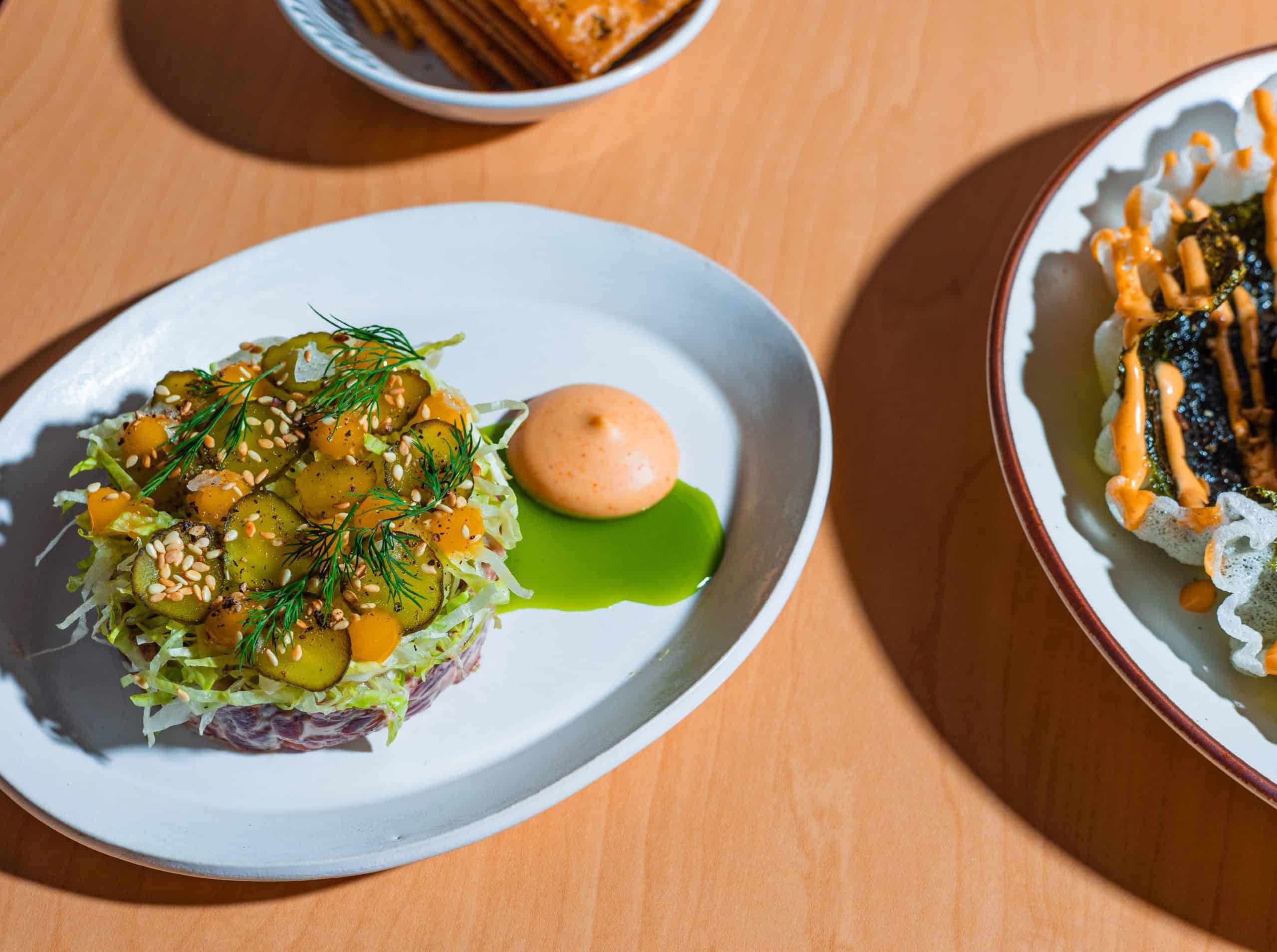
To go along with all the outstanding wines at the fair, there will also be food vendors at Elbows Up. Good Cheese will be serving cheese plates, sandwiches, chocolate, chips and nuts, and Ricky + Olivia will be serving steak tartare and chicken liver mousse.
“Ontario wineries and businesses deserve a leg up from the government in order to give everyone every advantage possible to succeed in the national marketplace,” says Cuff.
Elbows Up takes place on July 12 at Fort York.