
Toronto restaurants are moving to the suburbs, but will it pay off?
Published August 7, 2026 at 2:03 pm
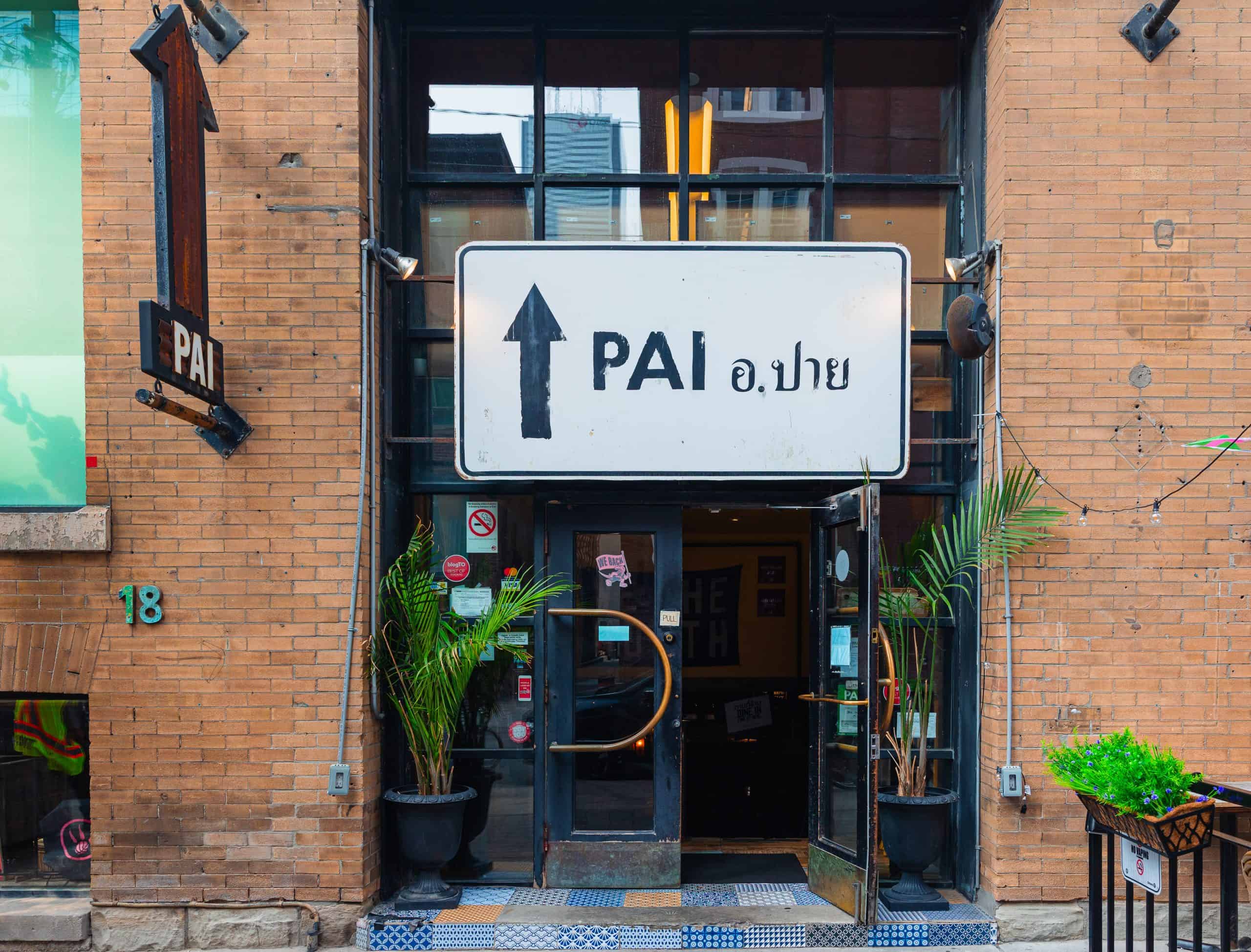
Toronto restaurants are sprinting to the suburbs for too many reasons to count.
Every other day now, long-standing or new restaurants are announcing their closure after dwindling returns or having barely had a chance to establish themselves.
This is a tune that, sadly, Toronto is becoming numb to; however, those with skin in the game are observing this as the proverbial ‘canary in the coal mine,’ and are seeking opportunity elsewhere.
Recently, Chef Nuit Regular, known for her turn on MasterChef, the iconic restaurant PAI, and Michelin Guide accreditation, announced that after opening some of the city’s best Thai and Filipino restaurants, an expansion into suburbia would be her next play.
Having just announced a PAI location slated to open in Mississauga this fall, Regular is one of several high-profile restaurateurs who are swapping streetcars for strip malls. With this trend occurring parallel with Toronto’s crisis of restaurant closures, does it signal an industry-wide expansion, or more of an exodus?
For Regular, it has been a mix of variables, as there has been an appetite for PAI’s Northern Thai cuisine in the burbs for quite a while, with word spreading from within the city outwards, according to her.
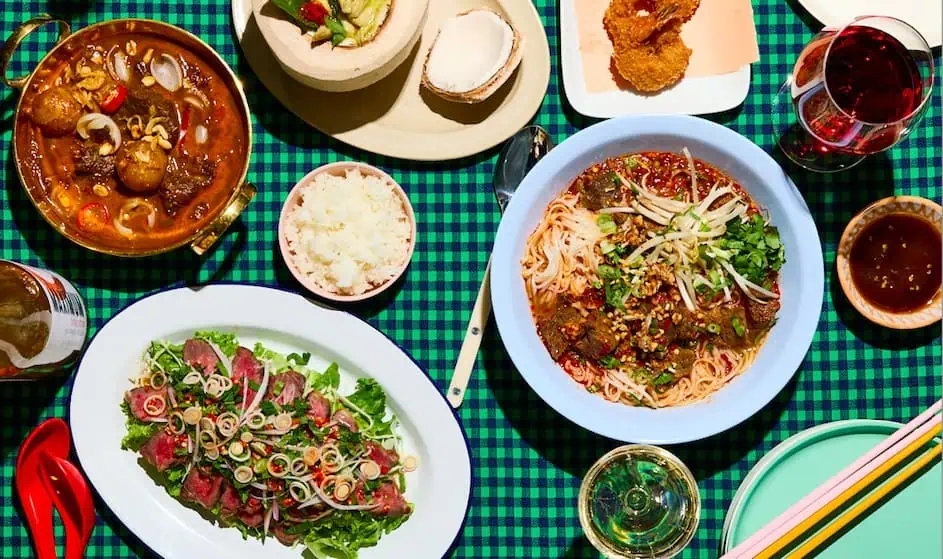
[PAI’s Michelin-earning Northern Thai cuisine. Photo courtesy of PAI]
But, beyond that, getting out of the city harkens back to Regular’s past.
“There’s also a personal connection. When I first came to Canada, my husband Jeff [Regular] and I settled in Mississauga. So opening a restaurant there feels a little like coming home, to where my journey in Canada first began,” Regular told yourcitywithIN.com via email.
Apart from nostalgia, Regular was quick to note that while Toronto has always been a hub due to foot traffic and a thriving word-of-mouth culture, this new PAI location — anchored in the Square One Shopping Centre — will grow alongside suburban industry.
Primarily, the new spot is adjacent to a transit hub, Sheridan College, and office buildings.
However, a campus and a few buildings do not wholly substitute what makes Toronto a global food destination, and as a result, Regular and her team had to take into account the dining (and spending) habits of those whose routines mostly consist of the office, the 401, then home.
“We understand that every neighbourhood has its own dining culture, and part of opening a new restaurant is taking the time to get to know the community. The location itself didn’t impact our decision, but we’re excited to meet our guests in Mississauga,” says Regular.
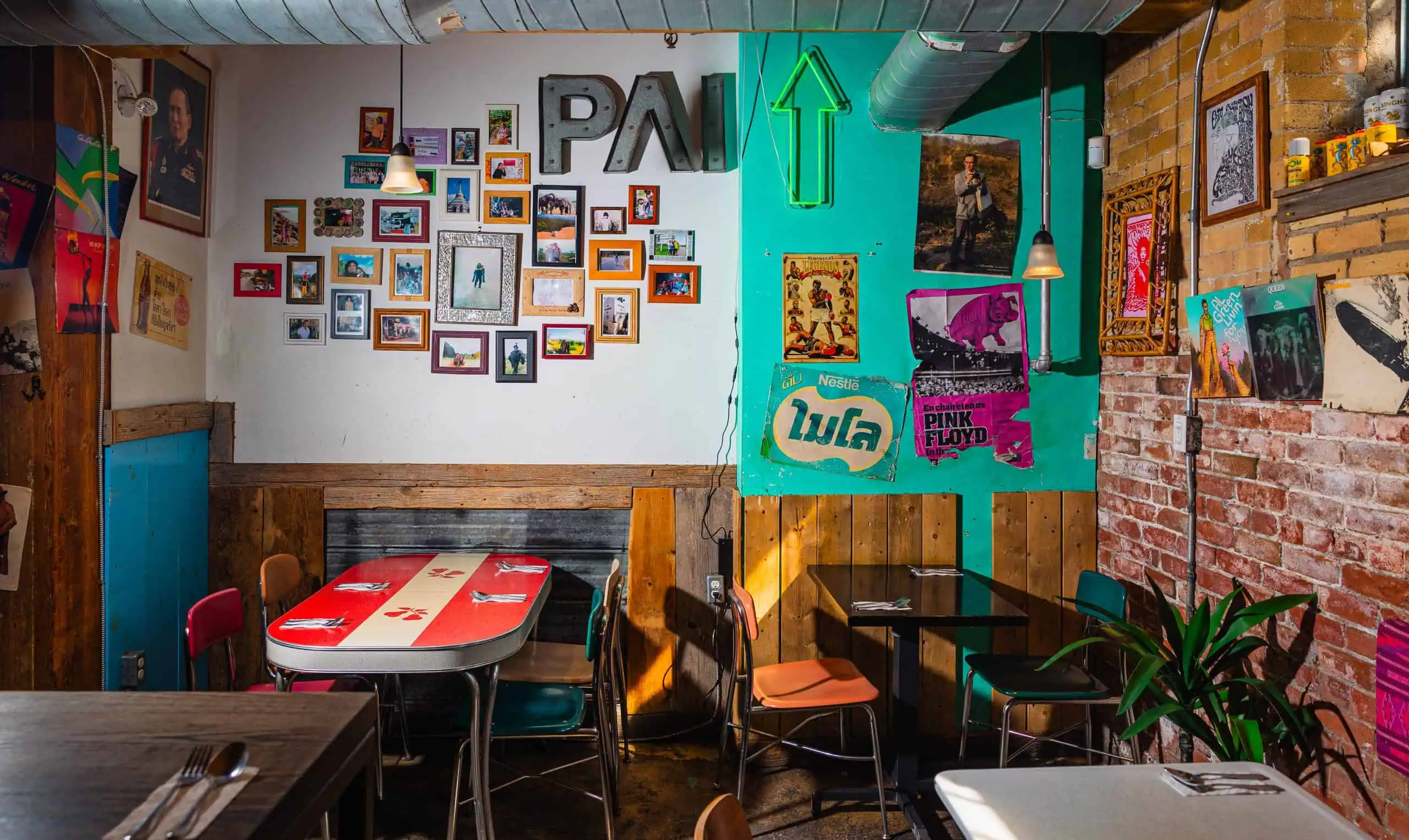
[PAI’s downtown interior, showcasing an authentic Thai street style. Photo courtesy of PAI]
PAI isn’t the only place that has taken the plunge into picket fences, as Pii Nong, another big-city hitter for Asian cuisine, opened an Oakville location just a few months ago.
Unlike Regular, who has brisk confidence cornering the suburban market, especially by situating PAI in [checks notes] Canada’s second-largest shopping mall, proprietors at Pii Nong had to go to the drawing board to figure out how to court suburban clientele.
“Toronto has Yonge, Bayview, even Leslieville, and as a result, events are always happening, so you’ll have a late crowd guaranteed. In Oakville, well, there’s really nothing happening; it’s a suburb, so by 9 p.m., that’s the end of your last rush, and there’s a nuance to that you have to accommodate for,” Thomas Ha, owner of Pii Nong, told yourcitywithIN.com.
While Regular has staked a claim in a growing residential and commercial ecosystem, Oakville has a very different tempo, with quiet harbours, quaint shops and lots of horizontal sprawl. As a result, while the suburbs do lend themselves to those looking to leverage a second location, they do come with their own idiosyncratic hurdles.
“In Toronto, there is more leeway to play with a menu, because there is six million, and Oakville is infinitesimally smaller. So there is a bit of a challenge, figuring out your people, what they like, and what they return for, but when you do, that’s when it clicks,” says Ha.
Chiang Mai — another big city player — has also recently broken ground in Mississauga, and while expansion has been on their side thus far, internal representatives still urge caution to those looking to grab a plot in the burbs.
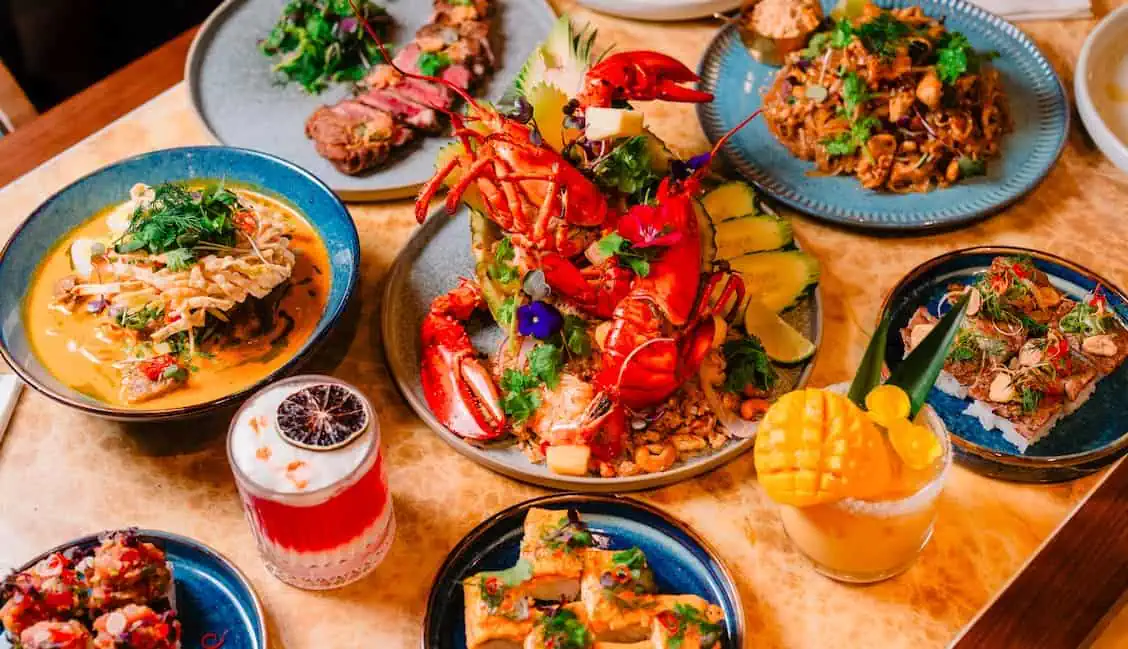
[Chiang Mai’s knockout selection of cuisine has been a hit no matter the area code. Photo courtesy of Chiang Mai]
While Chiang Mai has locations in Liberty Village and The Junction, one of which is a hotbed of the city’s fastest-growing food and drink culture, surrounded by offices of big-time businesses and lots of condos, Vincent Selva, marketing director at Chiang Mai, firmly believes that location should be in service to your community first, and opportunity second.
“From the perspective of my position, and that of managers and owners, people should first dial in on their concept, what food they want to bring to the table and what community that table is in. How do you want people to see you? Do you want to be a place strictly known for take-out or dining in? You have to figure that out, because even in Mississauga, there is so much restaurant turnover,” Selva told yourcitywithIN.com.
Selva further states that, as the suburbs lack the event spaces and spontaneity of Toronto, restaurant identities don’t only need to be locked in ASAP but also need to innovate and offer something special to stand out from the crowd.
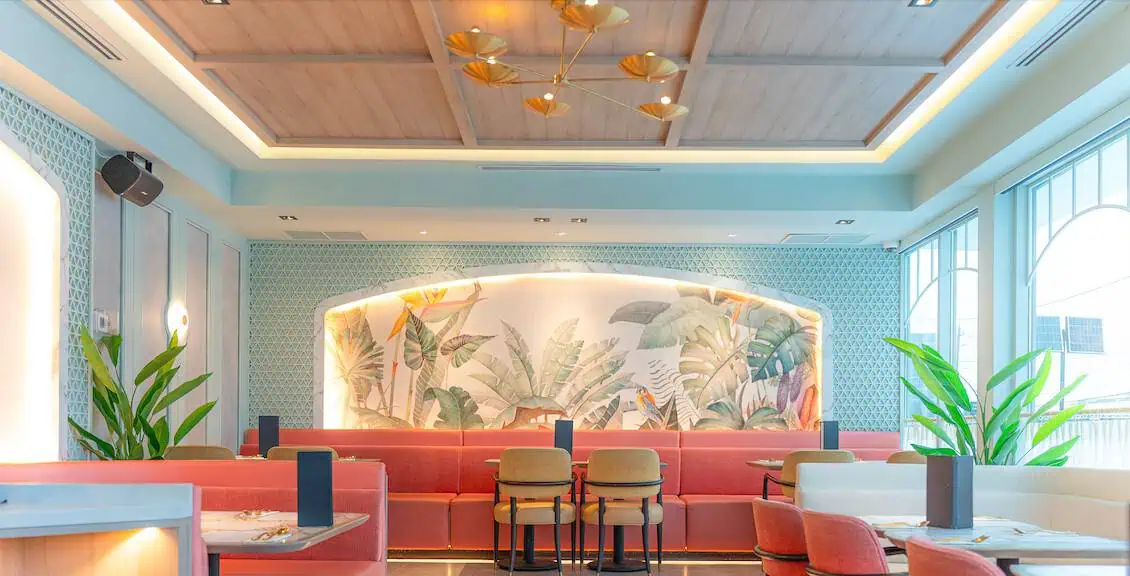
[Chiang Mai at York Mills going for more spa than street. Photo courtesy of Chiang Mai]
With three big restaurateurs carving out slices of suburbia for their own reasons, none could state, however, if there was a concrete foundation for hurting businesses to set up shop in the event of dwindling business in Toronto.
In fact, if there was any throughline, it was caution, as the suburbs can be just as cannibalizing as the big city, with Ha stating, “It’s a double-edged sword; if you can’t manage all the hustle-and-bustle of Toronto, you’ll look outward. But don’t forget, then you’re in a small town; word travels fast, if you don’t do well and nail that first impression, people will likely tell others, ‘oh, don’t go there.’”