
Toronto chefs and restaurant owners set to serve this dish for the first time in Ontario
Published October 1, 2026 at 2:43 pm
Anyone who spends any amount of time eating their way through Toronto (and Ontario more broadly) restaurants has no doubt treated themselves to some of the best sushi and sashimi east of Japan.
While Toronto is nowhere near Tokyo, it boasts some of the country’s finest Japanese restaurants, including the Michelin-starred Sushi Masaki Saito, Kaiseki Yu-zen Hashimoto and Shoushin. The menus across the hundreds of Japanese restaurants are varied, and even eateries specializing in other cuisines entirely offer enticing varieties of fresh fish, but for the first time ever, diners across the province have a chance to sample two new varieties of aquatic life–one of which has been coined “king of fish” in its East Asian homeland.
“The quality, the story, obviously we’re always after the highest quality of anything we can get, so when we heard about the buri and the madai, we were super excited,” Shangri-La Toronto Executive Chef JohnRoss Woodland (who many might also recognize from Chopped Canada) told YourCityWithIN in an email.
The buri and madai, the latter of which is the aforementioned “king of fish” in Japanese culinary culture, were debuted to the broader eating, cooking and retailing public at an elegant and tasteful (quite literally) affair at the Shangri-La, the towering five-star hotel and residence on University Avenue.
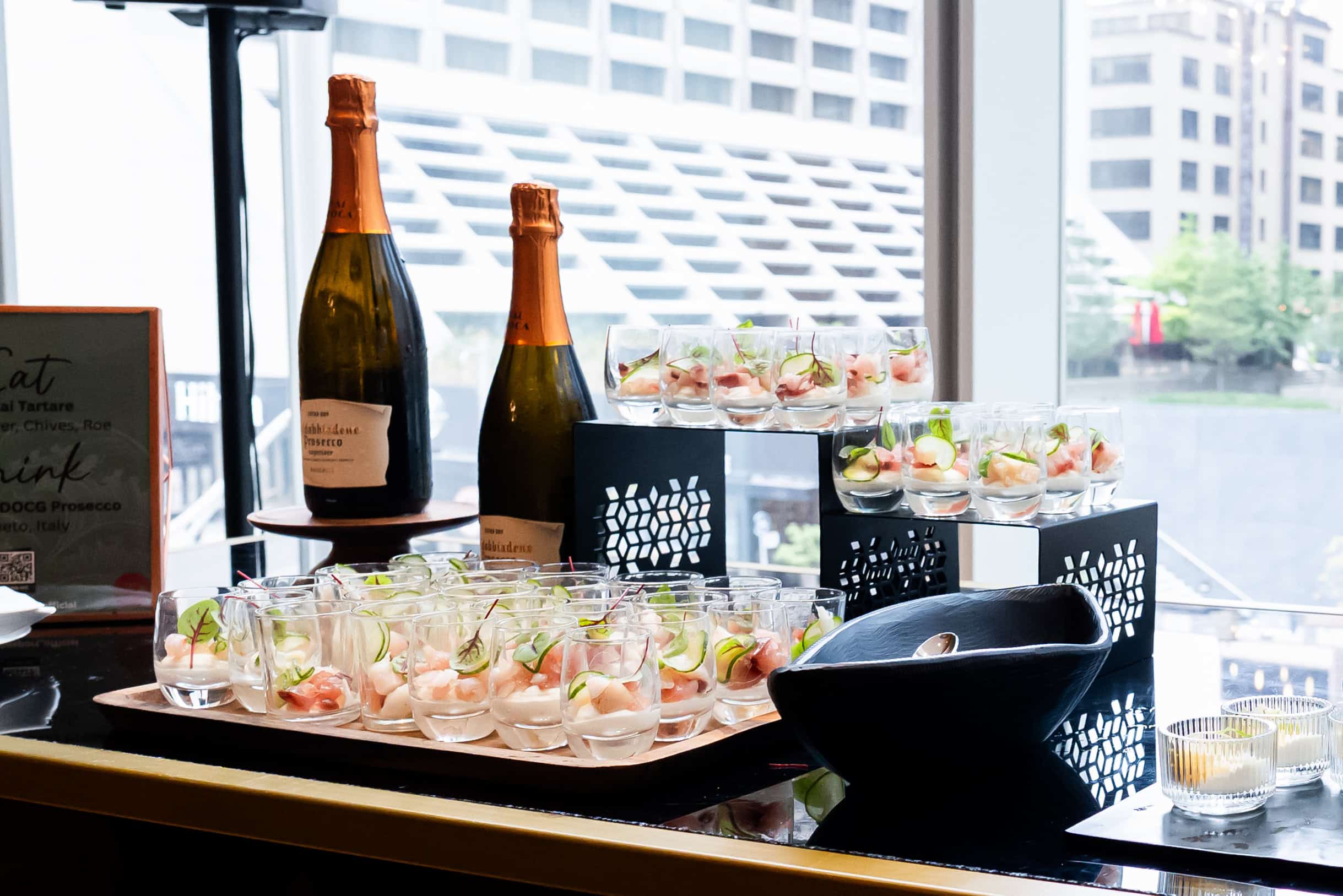
Photo from Too Perfect PR
The event allowed the Japan Farmed Fish Export Association, which previously introduced the varieties of red sea bream and yellowtail species to Vancouver chefs, restaurateurs and diners, to further raise the fish’s profile east of the Pacific.
After introducing the products in B.C., the JFFEA saw an uptick in interest.
“We got a lot of feedback from the customers, from the guests, and the quantity of exports to Canada increased,” Ei Kiuchi, the assistant secretary general of the JFFEA, told YourCityWithIN at the event.
Kiuchi says that most of the interest in the fish has come from restaurant operators and that while many Japanese eateries are interested, the fish lends itself well to inclusion in other dishes.
“We think our fish is not only for Japanese restaurants, but also for all kinds of cuisine in the world, including Spanish, including Italian, all the cuisines,” she says.
Indeed, madai, for example, is used in myriad Japanese, Western, and Chinese dishes such as kobujime (vinegared fish rolled with kobu), kabutoni (boiled fish head), meunière, carpaccio, acqua pazza and Chinese-style steamed tai.
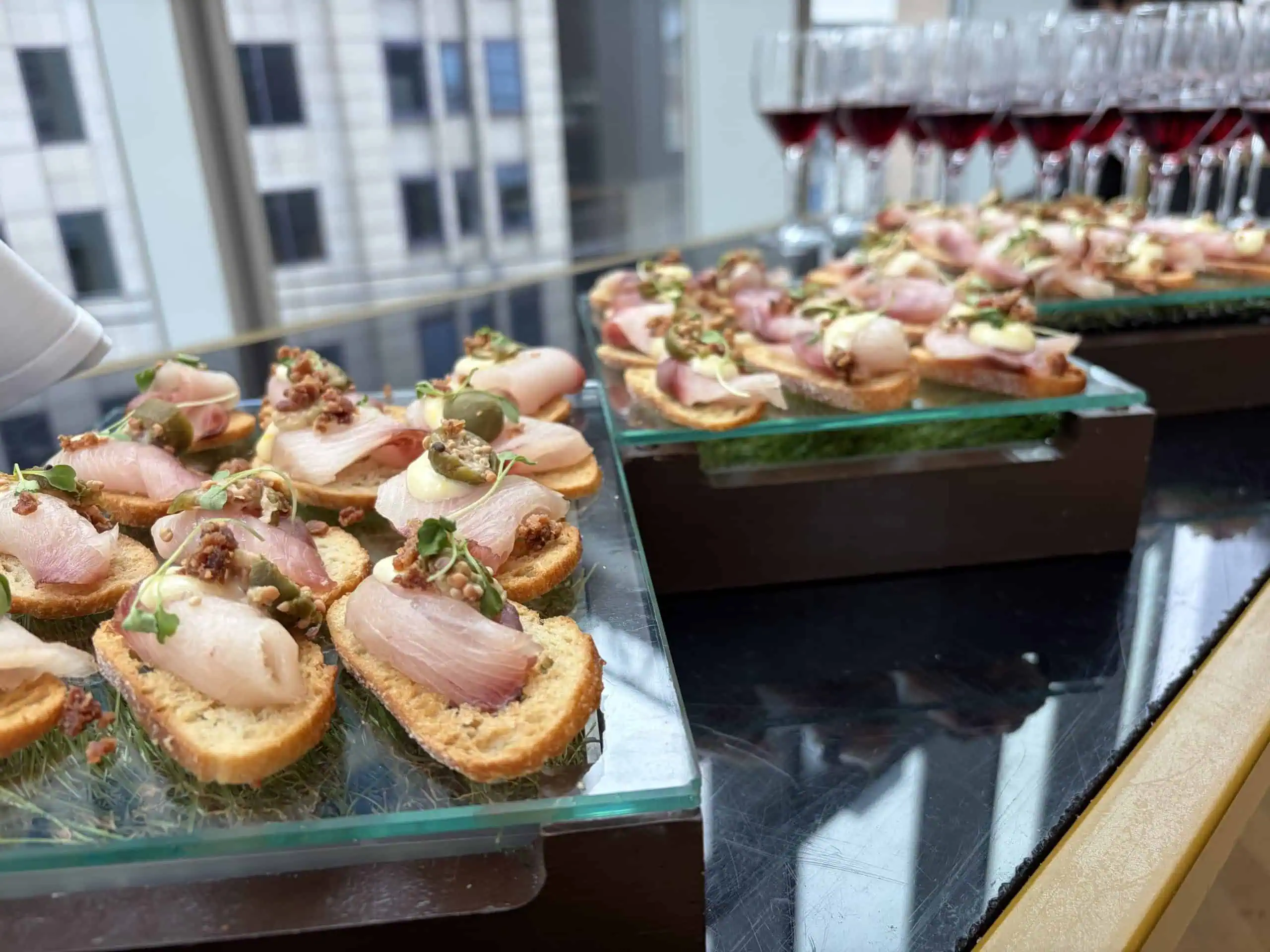
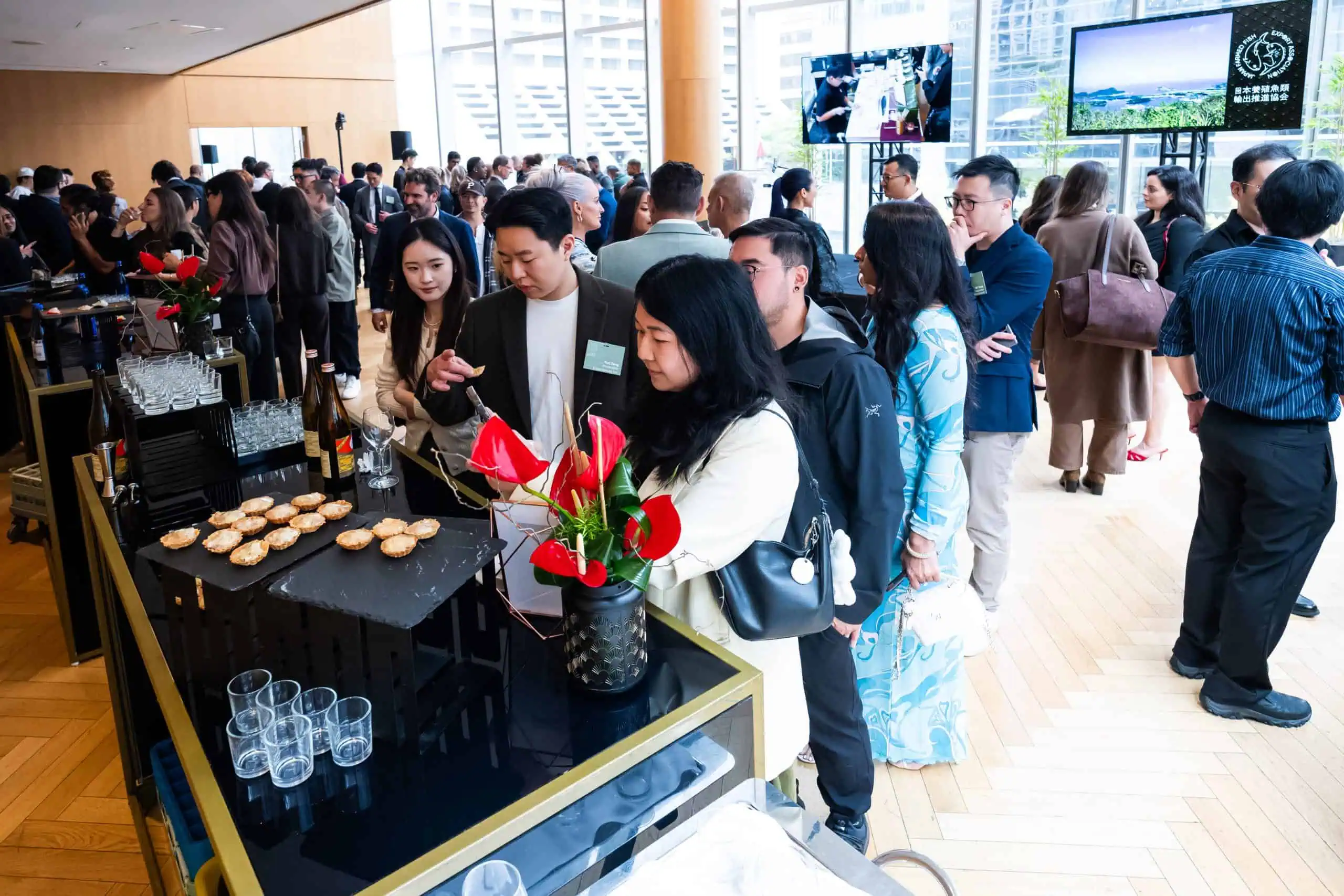
At the Sept. 28 event, Woodland and his team served a striking variety of appetizer-sized samples of buri and madai served with a mix of cross-cultural ingredients.
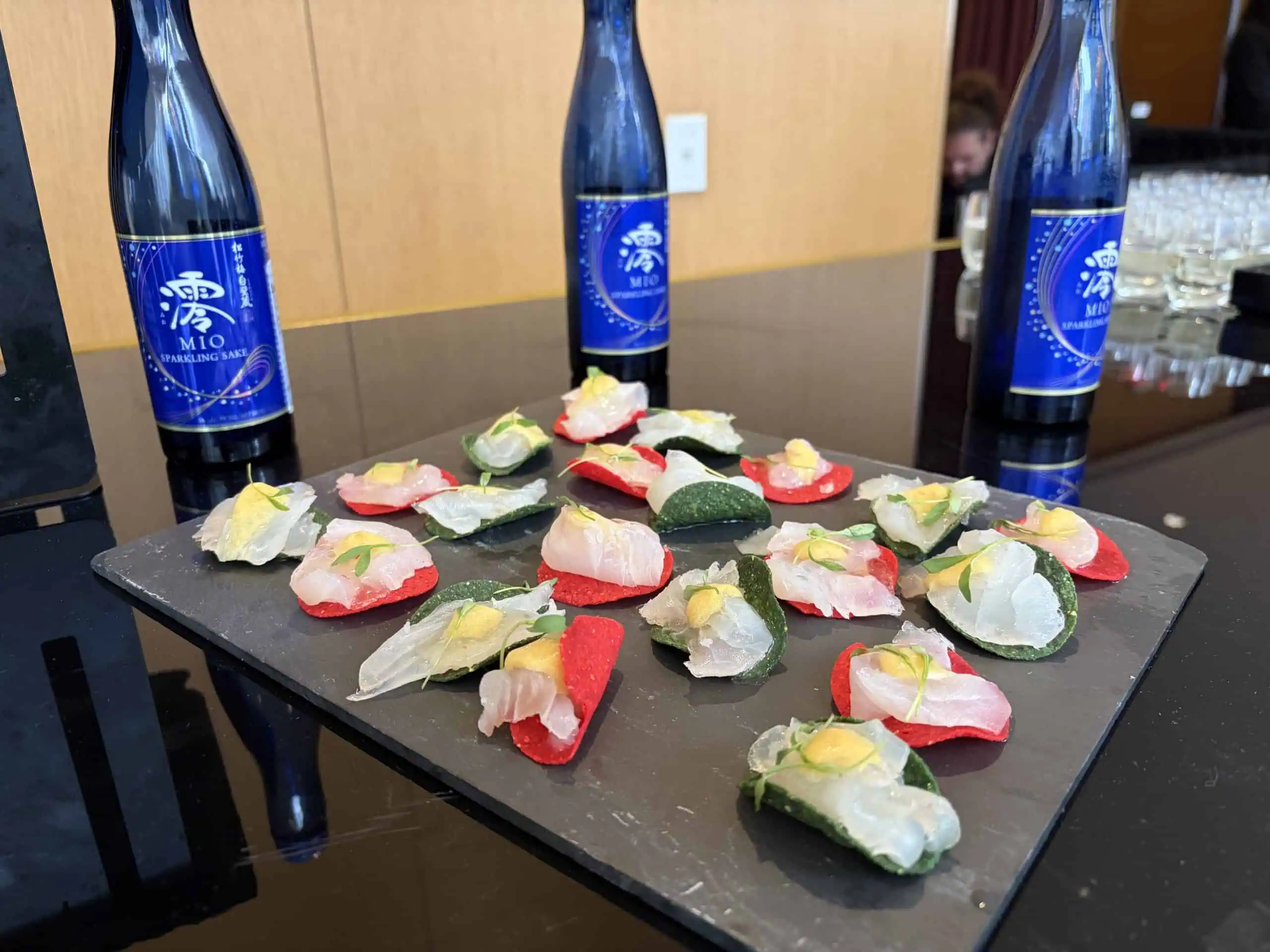
Guests, which included Thai restaurant legend Nuit Regular, Chotte Matte chef Sarah Sleiman, Ramen Isshin’s Jason Matsubara and others, could try cured madai with aguachile, tomato and basil (paired with sparkling Mio sake), dry-aged buri with lemon, cranberries, sourdough, bacon and arugula (paired with Louis Jadot Bourgogne Rouge), citrus cured buri with avocado, ponzu, togarashi and kumquots (paired with Loveblock Sauvignon Blanc), kombujime madai with pesto sushi rice, edible flowers, Katsuramuki daikon (paired with Miyagiko single malt whisky), buri sashimi and more.
“In my career I’ve only worked with madai once,” Woodland says. “So we were super excited to have it come in and try different things and, you know, work on different flavour profiles.”
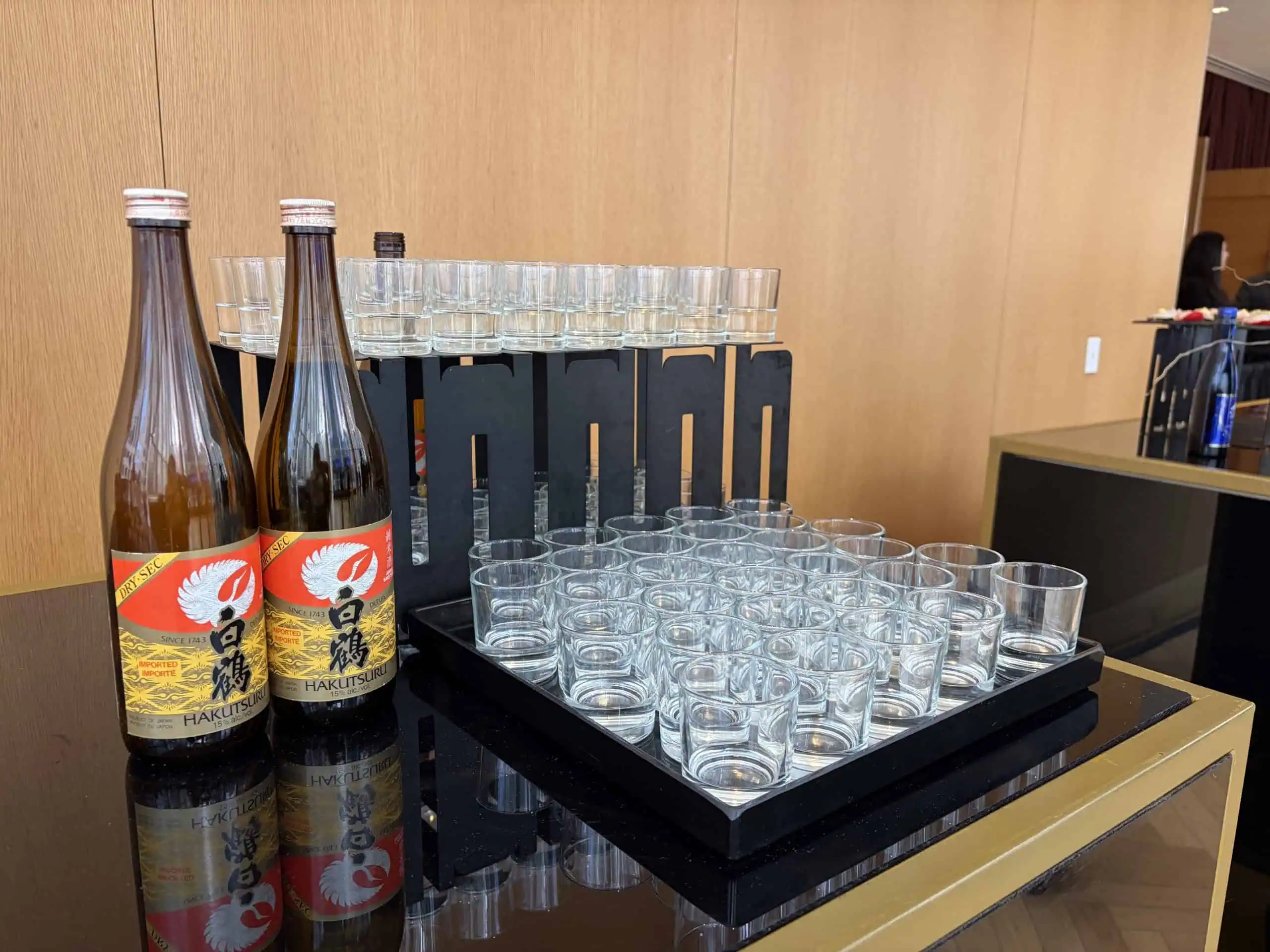
Woodland says that the new yellowtail and sea bream are currently available on menus at the Shangri-La, including a daily buri crudo and an amuse-bouche at Bosk, the hotel’s signature restaurant, where the culinary team has also used madai.
“It goes to show the flavour profiles. You know, obviously it’s a Japanese fish…but with an Italian restaurant, we still are able to apply our flavour profiles to it.”
As for the delicate and flavourful dishes showcased at the event, those, too, were imbued with elements of the team’s personal journeys.
“As with all of my food, some are memories. Like our entire banquet menu and especially our wedding menu, is all my memories. The transition [from] a sous chef to a chef to, even when I was a line cook,” he says.
Woodland says that when he staged at Alinea in Chicago, he visited a restaurant called Girl & the Goat and that experience inspired the dry-aged buri with sourdough.
“It was one of the dishes that they had on the menu and for me, it was super fresh, super refreshing and I loved the meatiness of the fish with the bacon and the acidity. Obviously, I just wanted to kind of recreate it.”
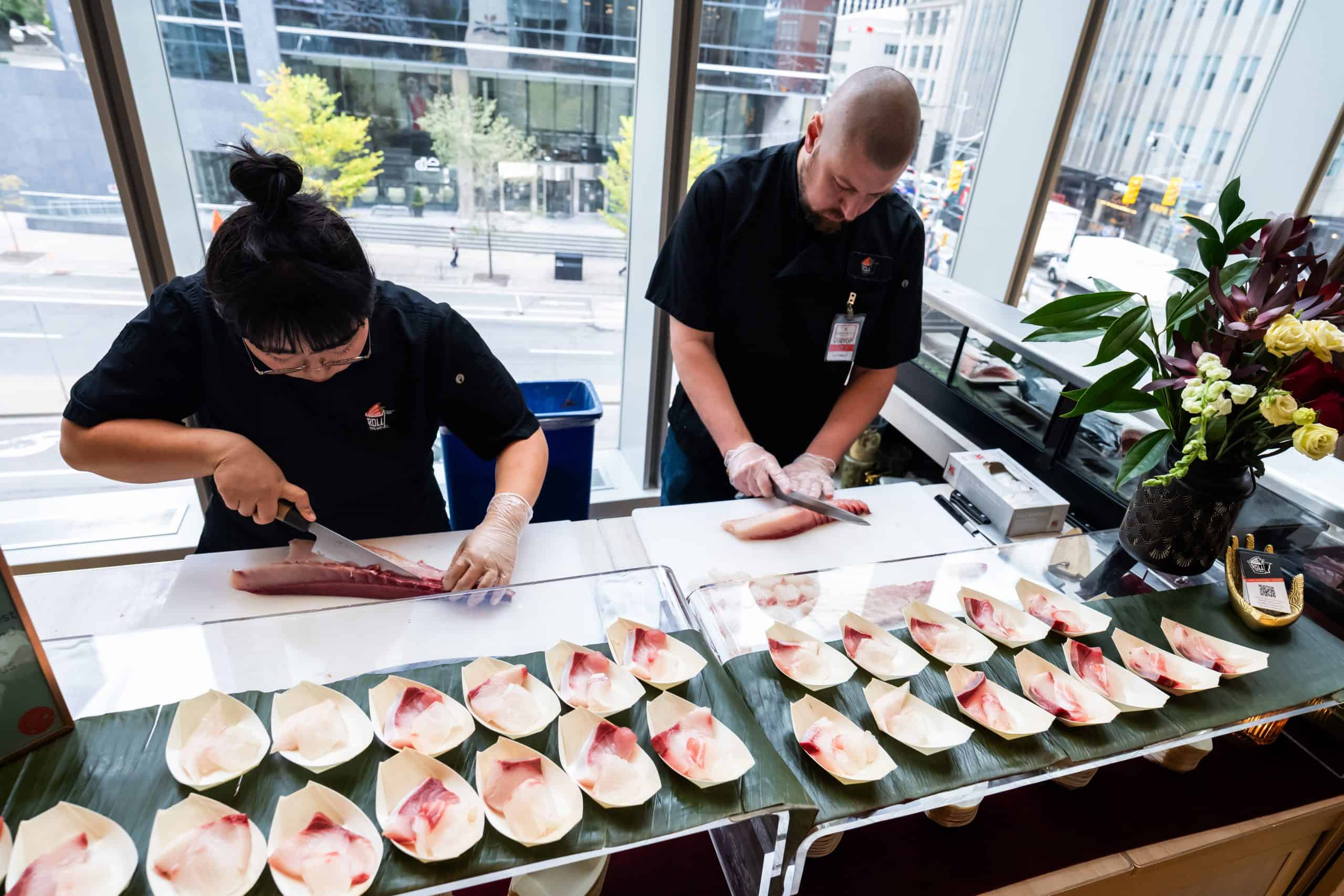
Photo by Too Perfect PR
Woodland also said the dish with kumquats was one of the first things he added to the hotel’s lobby menu when he took over as chef de cuisine.
“For me, the buri tartare was a favourite, just because there are so many, you know, layers of it,” he says.
“We started the idea of a tartlet with the dashi on top as a part of our afternoon tea. We have a similar dish with snapper on our afternoon tea menu, but we wanted to do it our own way and embrace the fattiness of the fish.”
Woodland goes on to say that since the fattiest part is the jaw and collar, he and his team decided to smoke it and turn it into a mayonnaise that’s similar to Greek taramasalata.
Other chefs at the event are also dreaming up ways to use the fish in their own restaurants.
Nuit Regular and Jeff Regular, the culinary power couple behind such mainstays as Pai, Kiin, Makilala, Sukhothai and others, told YourCityWithIN that they’re already imagining what dishes the fish could complement, especially at their higher-end Entertainment District hotspot, Kiin.
“Every bite that I had, it just inspired me to think about what I want to do,” Nuit Regular says.
“That’s the nature of me. Every time I eat something, or I try something, I always think, ‘what can I do with the products?’”
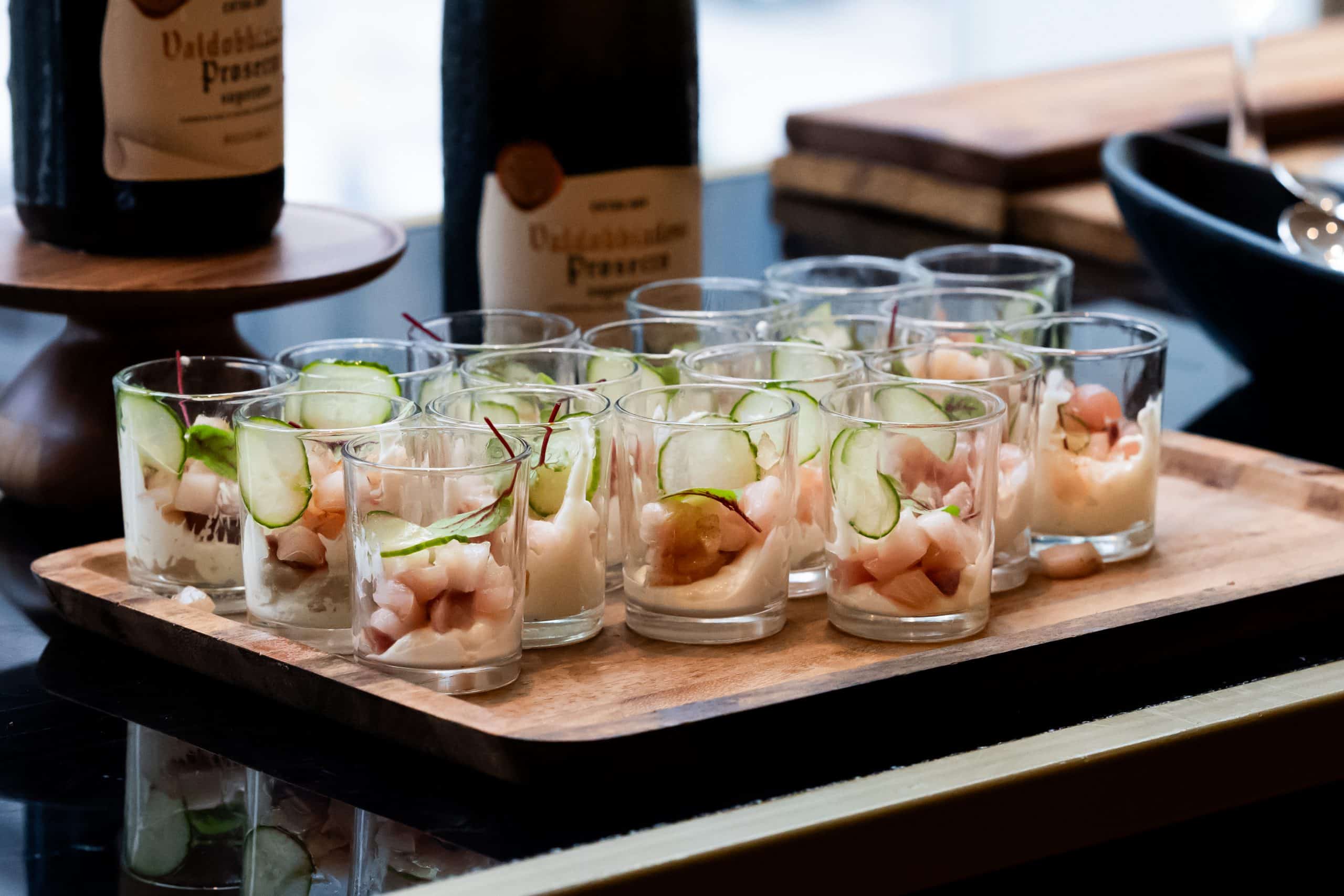
Photo by Too Perfect PR
Regular says that since she helms restaurants that specialize primarily in Thai cuisine, it’s an exciting challenge to find ways to use a delicate, refined ingredient like madai in dishes known for their warmth and spice.
“What would it be [like] if I added some spice in there, you know? Like a little bit of the citrus that Thai food has, like a green chilli sauce [might go well] with the fish. The other one, the buri, I was thinking, ‘Hmm, how would this be in the curry sauce?’”
When asked which of her restaurants might add buri or madai to the menu, Regular said that while no decisions have been made, Kiin might be the right spot to highlight the new dishes.
“With the price point and everything, I have to [take it] into consideration because some of the restaurants, like Pai, we do street food that is very affordable,” she says, adding that the fish would qualify as more premium proteins.
“But at Kiin, where we do the royal cuisine, it maybe will be something that our guests may want to explore with me.”
Yoshiyuki Aiba, executive chef at Washokuya Kyu and Sakana, two Hamilton restaurants known for Japanese cuisine, says he already has plans to add buri and madai to his menu.
“We do omakase occasionally, so I can use fish from Japan on that omakase event,” he told YourCityWithIN.
Aiba says the fish lends itself well to both sushi and sashimi dishes, and that the colder weather is the perfect season for it.
“The buri season is in winter, so I can use it in the winter,” he says, adding that while the product is a higher-end cut, he can price it attractively.
“ I can price it decently, as I can make margins from other food,” he says.
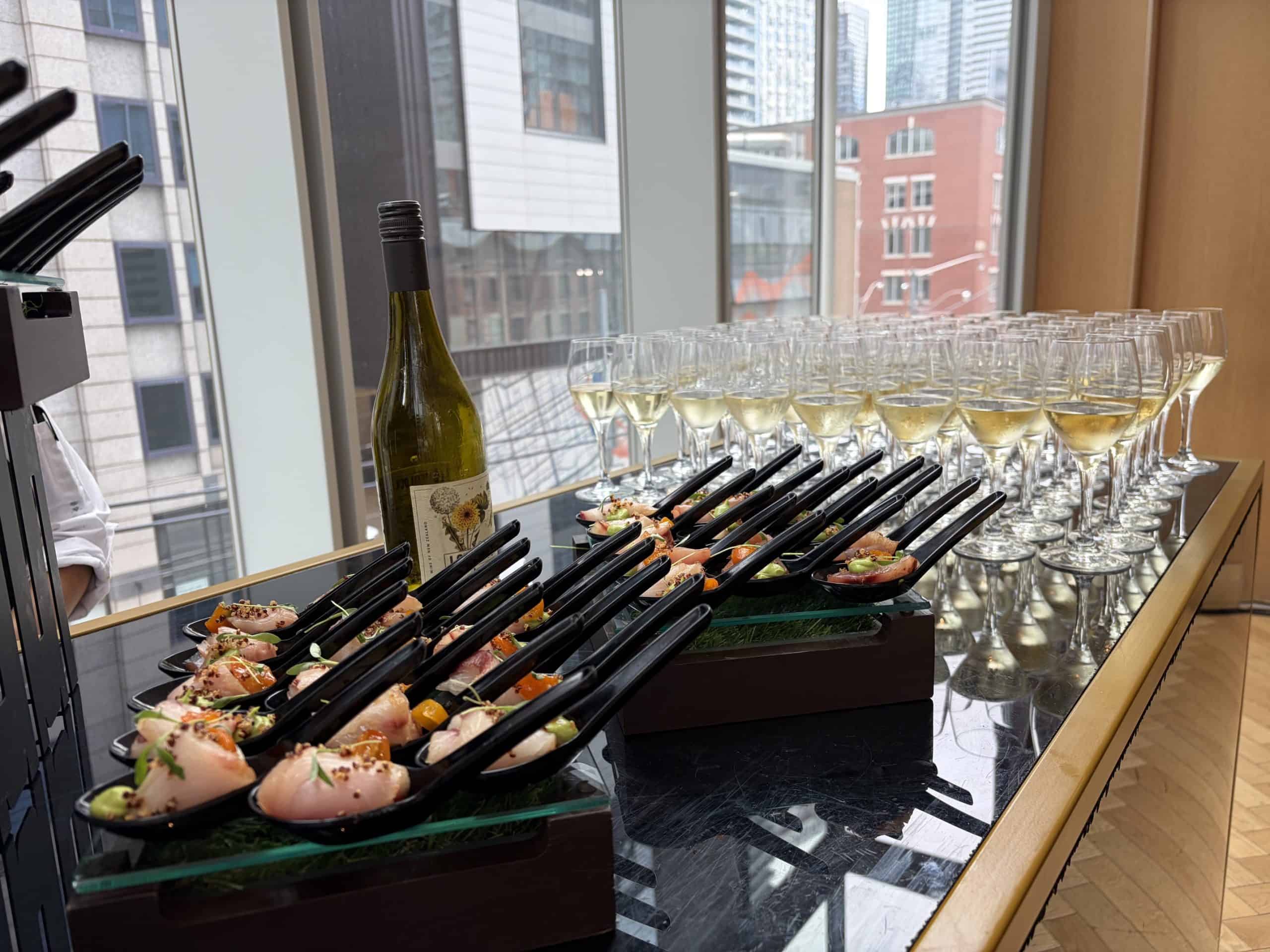
As for what really sets the fish apart from other seafood on the market, the Shangri-La’s Woodland says it offers Canadian diners something they haven’t quite experienced before.
“I grew up in Prince Edward County, so pickerel and perch are the two fish that have to be on your menu. So coming to Toronto and getting to see other fish, you know, I think everybody’s kind of got the traditional halibut, salmon, you know, those kinds of things, and I think with buri and madai, it gives you such a wide range, and we tried to show that off with the canapés,” he says, adding that they’re also quite versatile.
“You can smoke them, you can cure them. You can just slice them raw. You can cook them fully. With the madai with the spaghetti squash, we wanted to show what an entree could look like, rather than just a canapé or an appetizer.”
Woodlands also says that the feedback he’s received on the dishes served at the event has been positive.
“It’s interesting to see how we can show [people] how to use the fish in a different direction,” he says.
“The event was very successful and the canapés went crazy quick, so that’s, I think, a good sign.”