
Montreal chef shares what Toronto restaurants could learn from the city’s food scene
Published September 14, 2026 at 4:01 pm
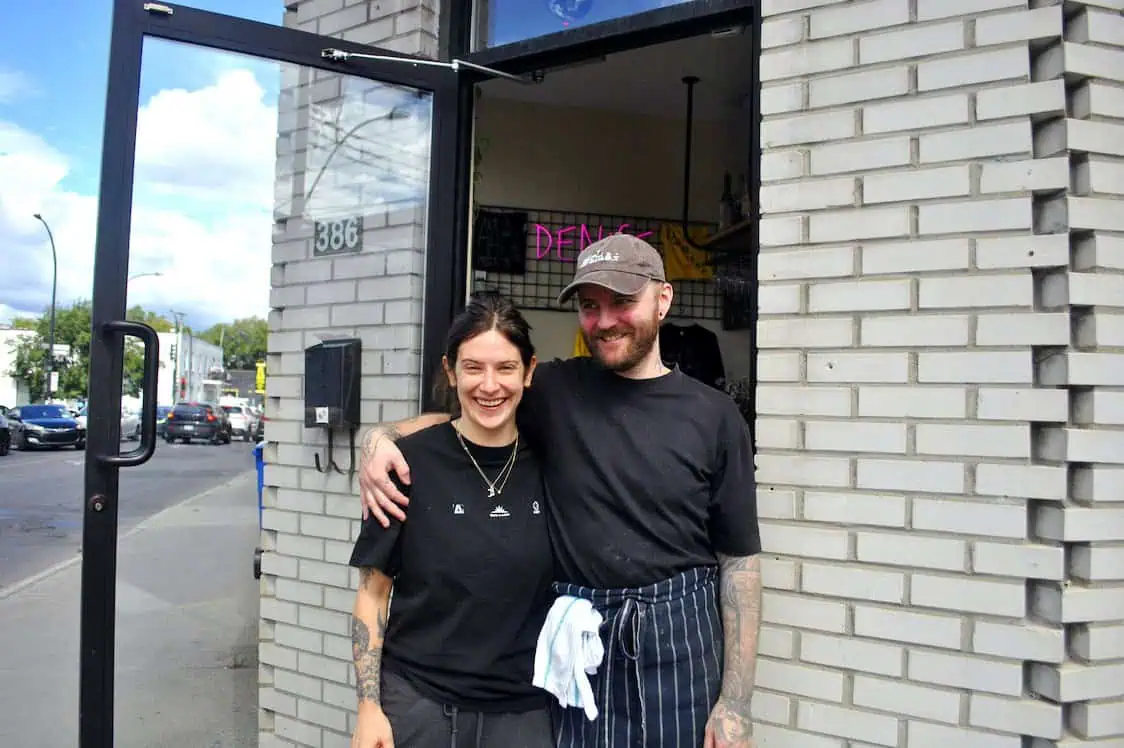
An Ontario-born chef who has been crushing it in Quebec has weighed in on key differences in the Montreal and Toronto food scenes.
In the Canadian culinary hierarchy, major players have been big cities, with Toronto and Montreal being close neighbours and, more often than not, rivals.
Korlin Kaetzel and Julia Mallette, owners, proprietors, and chefs at Denise, a popular restaurant in Montreal’s Park Extension (Park X) neighbourhood, have been monitoring shifts in dining trends in their city and have seen similar turbulence shared with the Toronto dining scene.
Kaetzel, who grew up in Port Franks, a town of 700 in southern Ontario, fell into the world of culinary gains in his twenties, and eventually inherited Denise from its original owner alongside Mallette (a Montreal local) a few years back.
Growing up down the way from the GTA, however, Kaetzel was no stranger to its hustle culture and food scene, and while managing operations in Montreal, a city with its own identity (and pitfalls), he noticed some invasive qualities that were trickling in from Lake Ontario up the Saint Lawrence.
“It has become incredibly hard, and more so, expensive, and so many restaurants are closing down. Even though ones turn up to take their place, if you look closely, almost every player is just five big restaurant groups in a trench coat; they own everything now. As a result, most people in the game feel pressured to work for these groups, because they at least present themselves with infinite money,” Kaetzel told yourcitywithIN.
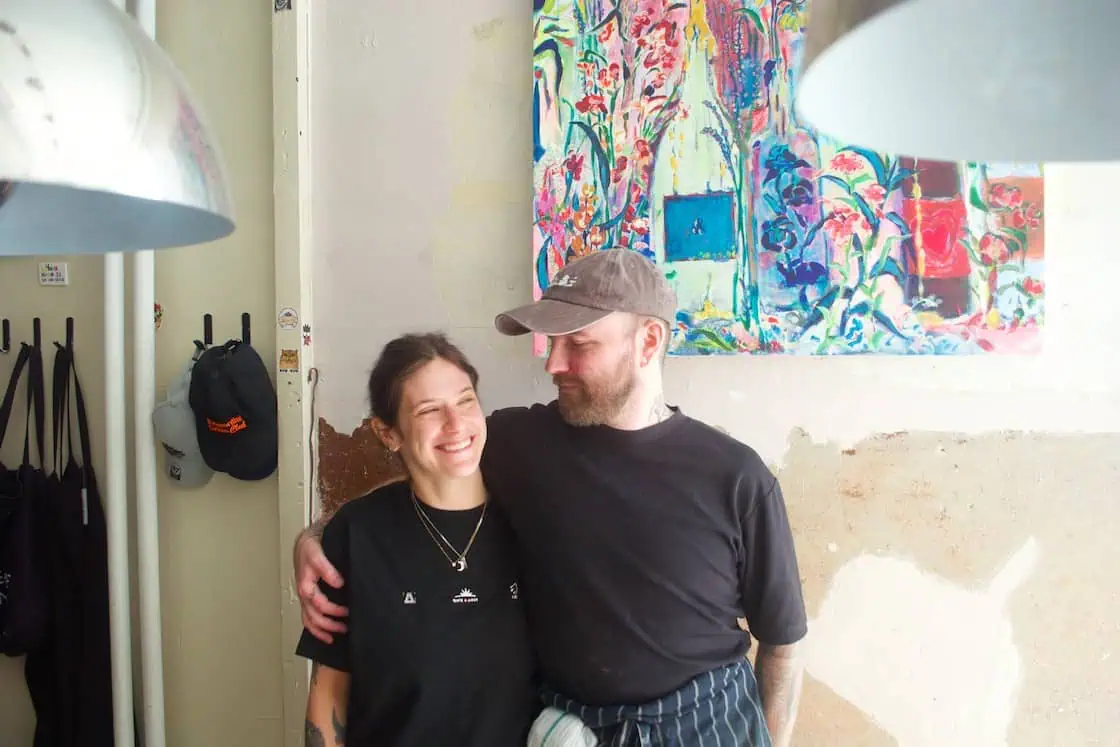
[Julia Mallette and Korlin Kaetzel of Denise in Montreal, just a few hours before opening their doors for dinner service]
This issue, which has been gaining traction in Montreal and suffocating smaller restaurateurs, has been endemic in Toronto for a while, with huge hospitality companies cornering the market, devouring potential real estate when it becomes available.
Even with this becoming more prevalent behind the curtain, Kaetzel noted that when compared to the posh dining public of, say, New York or Toronto, where most who can afford to go out frequently are often spruced up, Montreal, even in the world of fine dining, allows for a more relaxed vibe.
“Out there, everyone is trying to look good; there is a huge incentive for it, which is cool in its own way. But in Montreal, everything is so much more casual, even when it comes to food and fine dining; it’s a lot more playful that way, with bigger portions, and a way less stuffy attitude,” says Kaetzel.
This attitude, according to Mallette, who has lived in the city her whole life, allows for a degree of accessibility not seen anywhere else, where appearances and ‘Instagrammability’ are less the onus of a night out, and being comfortable and enjoying your time out is.
“There is a lack of the societal dress code here, which is really fun. I’ll go somewhere in sweatpants and a pyjama shirt, and someone sitting next to me in a gown wouldn’t even think to look at me twice; the city has a knack for being a bit more inclusive that way,” Mallette told yourcitywithIN.
Outside real estate and clientele trends, both Kaetzel and Mallette highlighted how Montreal actively fights the trap of the modern aesthetic that has infiltrated dining scenes in places like Toronto, Vancouver and New York — think the earth tones and mid-century retro vibes that dominate our downtown core.
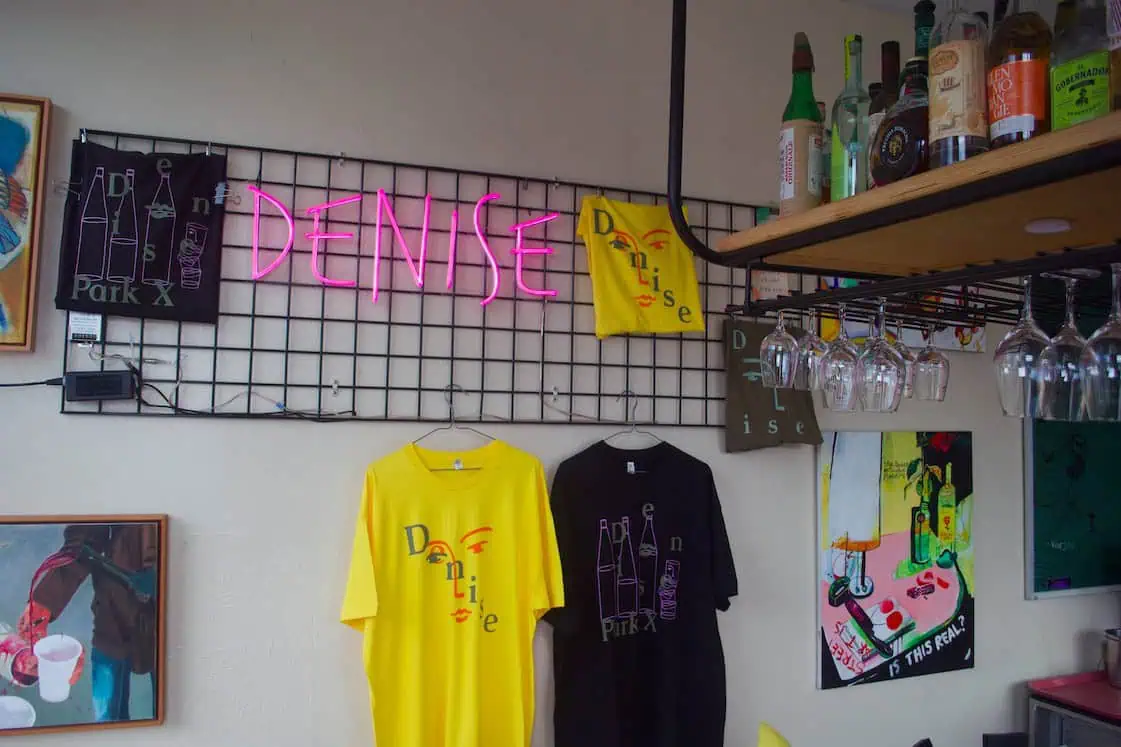
[Denise going for more of a loft space with a wine rack vibe, as opposed to the more common modern look]
While not shy to admit that the problem does exist in parts of Montreal, due to the city’s (and Kaetzel’s) plucky nature, places with a more entrenched identity, when able to outmaneuver the previously mentioned restaurant groups, can open a spot much more easily due to a substantially lower average rent than here in Toronto.
Even then, the current cost of living crisis still impacts indiscriminately, and as a result, risk-taking as a whole, regardless of whether in Montreal or Toronto, comes with a much heftier price tag and much more of a sunk cost risk than ever.
“Everywhere can feel sometimes like it is designed by the same people; the menus look the exact same; sometimes even the paper it’s printed on feels the exact same, and everything is just plated slightly differently. I don’t want to sound mean or tired of Montreal, or anywhere else, but in this cost-of-living crisis, everyone is playing it safe,” says Kaetzel.
According to Kaetzel, while Toronto is banking on elevated snacks, Montreal’s current cookie-cutter slate is an abundance of French bistros, moving up from neighbourhoods like Mile End (think Trinity-Bellwoods) into more cozy neighbourhoods, gentrifying not only city blocks but also the palette of their residents.
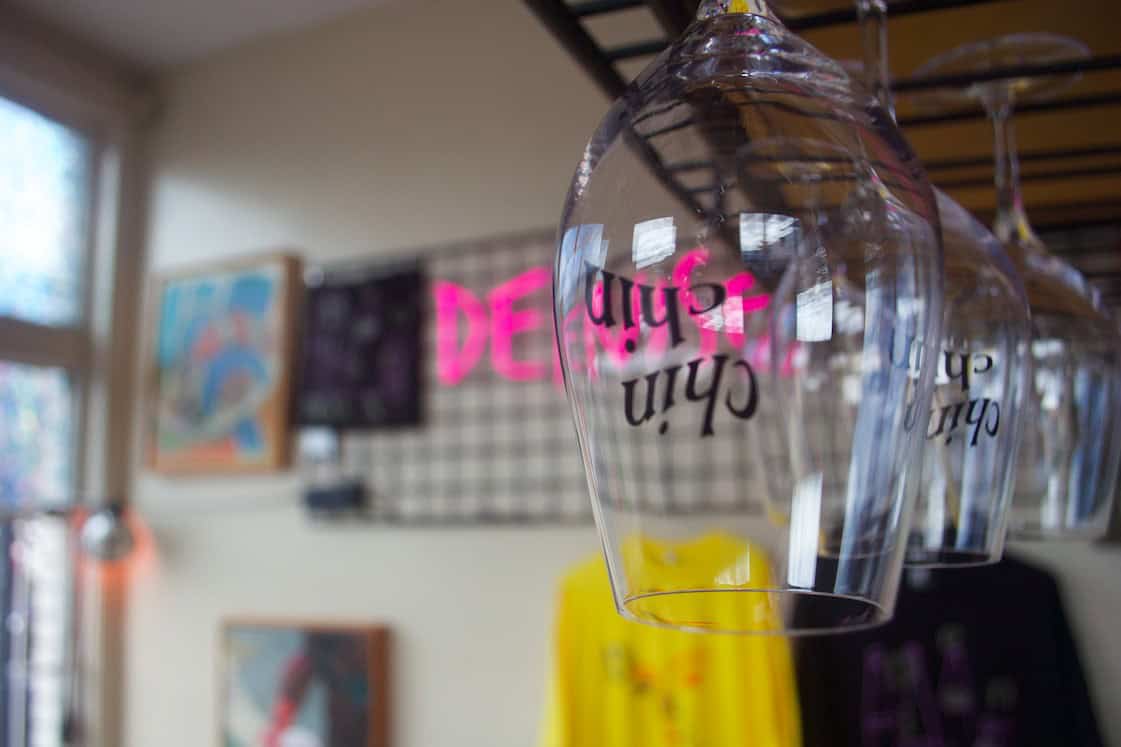
[Bucking against trends, Denise refuses to let its identity slip away that easily]
As a result, Kaetzel wasn’t shy about admitting that, when he and Mallette came into possession of Denise, the ‘play safe’ mentality plaguing the restaurant scene hit him as well. However, it didn’t take long for both Kaetzel and Mallette to realize that they didn’t fall into (and master) these careers to do what everyone else is doing, and they got cookin’ on their own ideas real quick.
“Right now, we are looking at things from different parts of the world; we have a duck dish that is pulled straight from Yemeni cuisine, or the salsa macha we make, which borrows from Mexico; we also make a corn dish with ras el as its base, which is from North Africa. We go to the markets every day to get what’s fresh, because we tinker with what’s in season,” says Mallette.
Even with a neighbourhood that loves them, and a menu that is always expanding and experimenting, Kaetzel mentioned that right now, regardless of whether your area code is 416 or 514, most places are struggling.
“More than ever, everyone is feeling it. I have a lot of friends who own places here in town who are wondering how they will make it, especially this summer. Even for us, the beginning was a rough one, and no pun intended, that time of year, for any restaurant, that’s your bread and butter.”
However, not giving in to despair, Kaetzel and Mallette closed their assessment of the Montreal and Toronto food ethos by stating that anyone doing this — regardless of location — should do it for the love of the game, and never chase trends, with Kaetzel stating, “Michelin, the concept of it, is so whatever to me, but places feel like they have to do it, to survive, stay relevant or even have a chance of being recognizable — but, that’s so far from the case.”