
Diners are spending more than you’d think after a meal in Toronto
Published October 23, 2026 at 2:57 pm
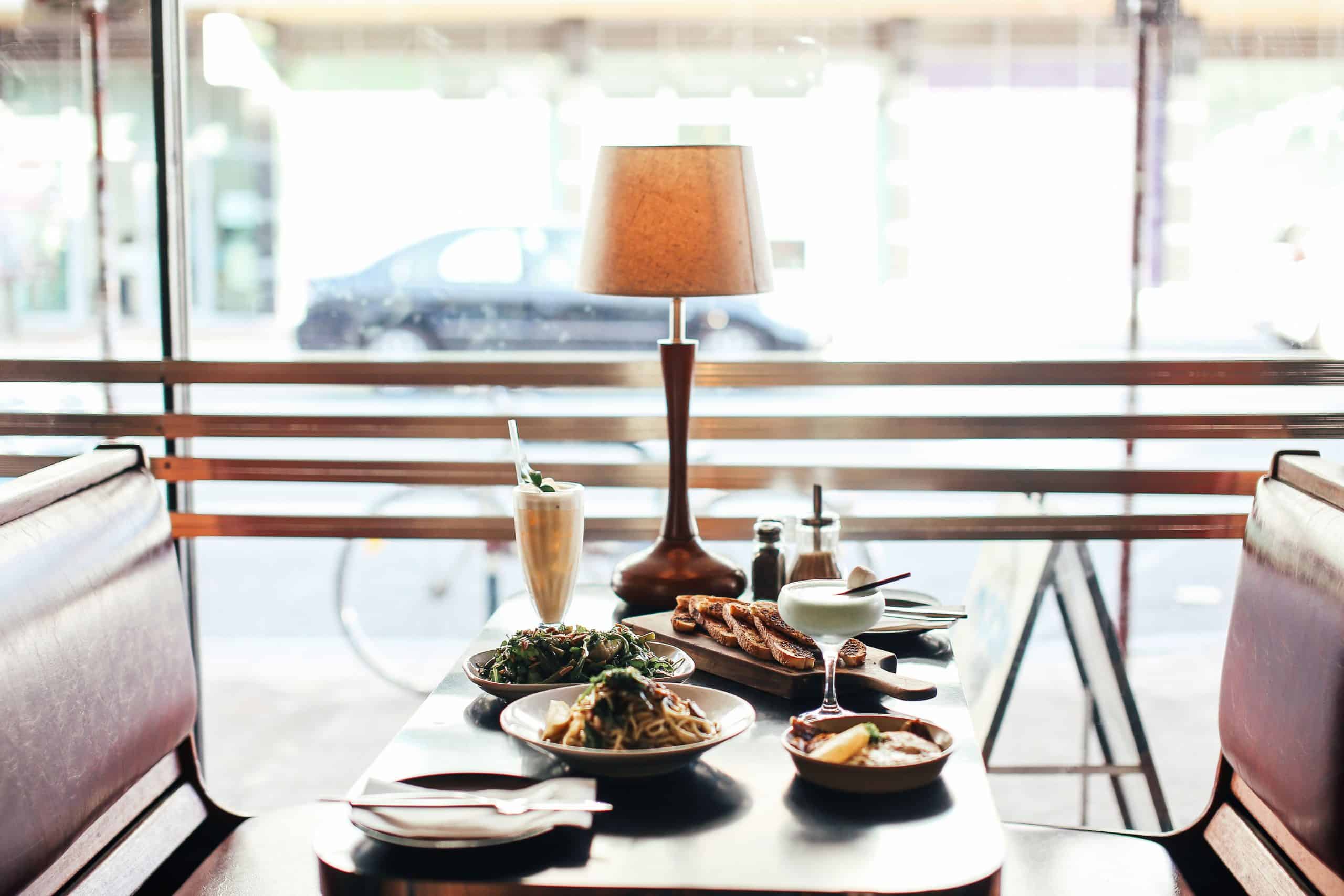
A global restaurant powerhouse has revealed how Toronto’s dining scene sustains mom-and-pop businesses in unexpected ways.
OpenTable, one of the biggest players in restaurant bookings, has just published its 2026 Restaurant Impact Report and it indicates that things aren’t all bad for local restaurants and the independent businesses that surround them.
Despite Toronto’s ongoing struggles in its hospitality sector, as locations close weekly citing high cost of living, rent, or operating expenses, numbers now show that those who manage to stay in the fight sustain not only themselves, but have a positive impact on their neighbours as well.
Nationally, based on the numbers that have trickled in, food service sales increased in the first quarter of 2026 by 2.7 per cent. While it may seem like small potatoes, once we punch those numbers into a calculator, that’s a price-driven increase of roughly $238.95 million.
While things seem on the up-and-up on a national scale, it warrants looking into the fact that when it comes to money changing hands, especially in the restaurant industry, Toronto is its own ecosystem.
Research shows that 50 per cent of Canadian diners say they spend money at a neighbouring business before or after a meal, with an average spend of $133.
Breaking it down by municipality, that number boosts to 51 per cent in Calgary, dips to 49 per cent in Montreal and Vancouver, and then here at home in Toronto, miraculously skyrockets to 56 per cent, according to OpenTable’s top brass.
“Toronto stands out with the highest percentage among these markets, suggesting local restaurants can have a particularly strong ripple effect on the surrounding local economy,” Eric Kemppi, director of restaurant sales and service at OpenTable Canada, told yourcitywithIN.
This also directly trickles into the average spend, as after date night or some dim sum with pals, splurging at neighbouring businesses in Toronto also jumps from $133 to $148, according to Kemppi.
The report notes that about half of diners surveyed say they spend more money at surrounding businesses after eating out, with 65 per cent of Gen Z respondents reporting spending elsewhere. Millennials will also shop before or after a meal, with 61 per cent saying they’re likely to make a local purchase.
Now it begs the question: is this a clear sign that the restaurant industry is bouncing back?
For Kemppi, it’s a tough call. Even for a platform like OpenTable, which has real-time data and reservations, cancellations, and no-shows, it’s not a crystal ball that reveals the status of a complex industry with that many moving parts.
“While the 13 per cent growth in online dining at restaurants on the OpenTable platform is an encouraging sign, we know that increased demand alone doesn’t erase the challenges operators are navigating day to day,” says Kemppi.
Even so, public sentiment around dining out, despite many not being able to afford to do so, is still at an all-time high.
Data from the report showed that even if cash is tight, 83 per cent of respondents indicated that dining out is crucial for their mental health, while 89 percent stated that restaurants and pubs are vital for community. The report found that close to 40 per cent of respondents said local restaurants are where they reconnect with friends and family, and close to 30 per cent saying local hotspots are where they go to celebrate major milestones.
Supporting information in the report also indicated that this sentiment is a two-way street.
“A restaurant’s true value goes far beyond what’s on the plate. Diners come for the feeling they experience when they walk through our doors – a warm welcome, good energy, and the opportunity to share a table with the people they care about. At its heart, hospitality is about connection,” Janet Zuccarini, CEO of Toronto’s Gusto 54 Hospitality Group, said in a statement.
Even with Toronto leading the pack in terms of community spending, it needs to be taken into consideration that not all neighbourhoods in the city are created equal, and that money trickling in and out of them differs depending on location.
When inquiring if OpenTable had any data on which neighbourhoods saw the most spending after brunch, lunch or dinner, there was no firm answer.
However, Kemppi did note that Toronto as a whole has seen a 10 per cent increase in restaurant reservations this year.
While not making any firm conclusions, Kemppi noted that these numbers are some good news the industry has been waiting for.
“What continues to stand out to us is the resilience of the restaurant industry and the important role these businesses play in their communities,” she says.
“That’s one of the reasons we’re sharing this report: to shine a light on the value restaurants create beyond the dining table, and to show diners that their actions can make a meaningful difference.”