
Comfort vs. cost: How Toronto’s comfort food scene is changing
Published February 6, 2026 at 11:57 am
Toronto is famous for its thriving food scene and being a pricey place to live, so can the two coexist?
Regarding culinary players in the city, it can be easy to get lost, as new locations come and go at a breakneck speed, all while operational costs increase for those who manage to stay in business.
As the price tag for operations continues to rise, so does the average cost of a date night or dinner with friends.
That being said, there has often been one remedy to Toronto’s ‘cost-of-dining crisis,’ and that’s institutions that have anchored themselves on comfort and consistency.
These locations, while not polished to a mirror sheen or overloading your algorithm, have been the backbone of the average Torontonian’s diet for decades — think your favourite ramen spots, diners, or neighbourhood pubs.
But as residents are being strong-armed to be more choosy with leisure spending, can Toronto’s comfort food scene stay comfortable?
We talked to three institutions, some new and old, to better understand how the wheels of cheap and cheerful cuisine keep turning in Toronto, and what sacrifices are made to make sure you can find a sandwich somewhere in this town for under $15.
The Heartbreak Chef
Don’t let the name fool you; there is nothing remotely tragic about the food being served up at The Heartbreak Chef.
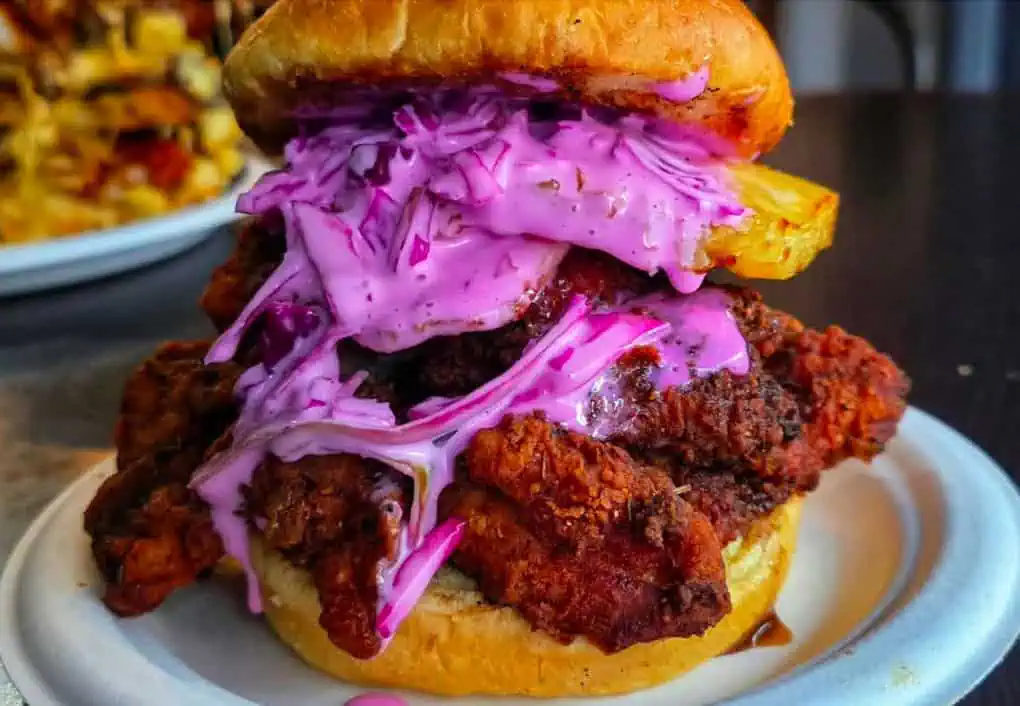
Launching as a modest storefront years ago, only to carve out a major slice of the Kensington Market… well, market, this location has become known for doing one thing and one thing incredibly well — fried chicken sandwiches.
Jerome Robinson, the powerhouse behind The Heartbreak Chef, initially came from a background in personal catering, and it didn’t take long for him to realize that his love of food stemmed from an entirely different place altogether.
[Photo courtesy of The Heartbreak Chef]
“If you’re in this industry trying to get rich, then you’re probably in the wrong industry. I just wanted to make food affordable for people, so that they can actually come down and try it,’ Robinson told yourcitywithIN.com.
As a result, there isn’t a single solo menu item on The Heartbreak Chef’s menu that dials in over $20.
“I just don’t feel like you should be paying over $16 for a fried chicken sandwich,” says Robinson.
Even with this mandate, Robinson believes contemporaries in the comfort-food scene are caving to pressure and raising their prices. Especially, as the ongoing trade war with the U.S. and inflation continue to make something as simple as cooking oil cost exponentially more.
“Four years ago, we were spending around $15 for 16 litres of oil. Now, we’re spending $40 on that very same amount,” says Robinson. “So with that alone, before you even fry a piece of chicken or sell a sandwich, your expenses are already through the roof.”
[Photo courtesy of The Heartbreak Chef]
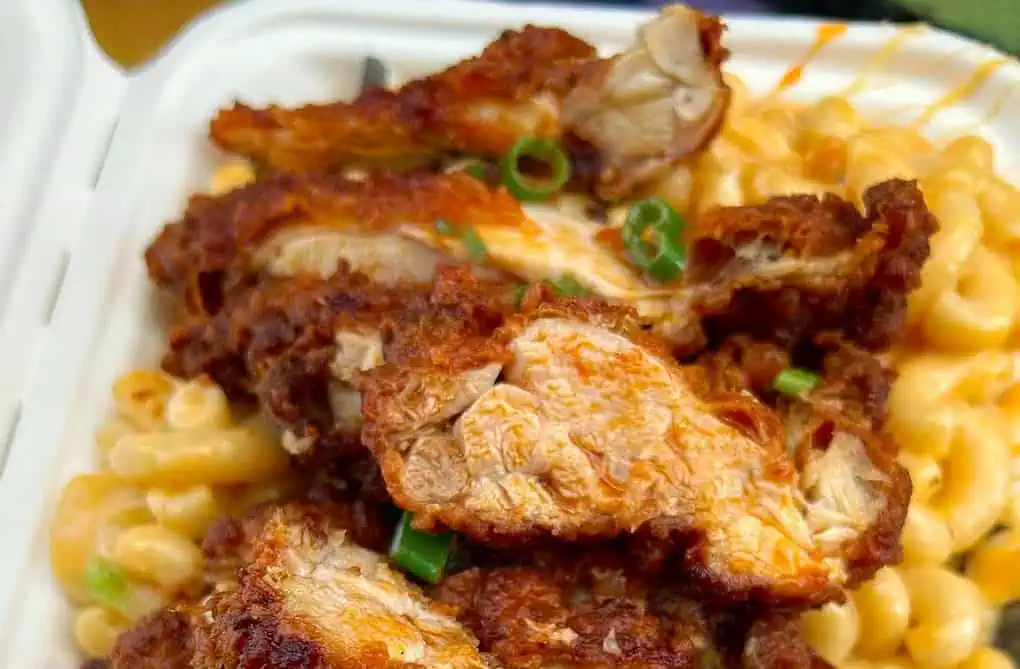
To keep things as cost-effective as possible, Robinson has maintained a handful of menu items alongside his signature sandwiches, such as mac and cheese, fried sprouts and fries.
This not only helps keep Robinson a key player in Toronto’s comfort food scene by maintaining his bottom line, but also keeps people coming back for more.
“It’s an old school mentality, there’s no secret ingredient, it is what it is, I don’t have to bring in 1000 different products to help people.”
Ramen Isshin
Switching from the busy streets of Kensington Market, we turn to what has been lauded as some of the best and most accessible ramen spots in Toronto.
Ramen Isshin — which debuted on College St over a decade ago — has now expanded across the GTA.
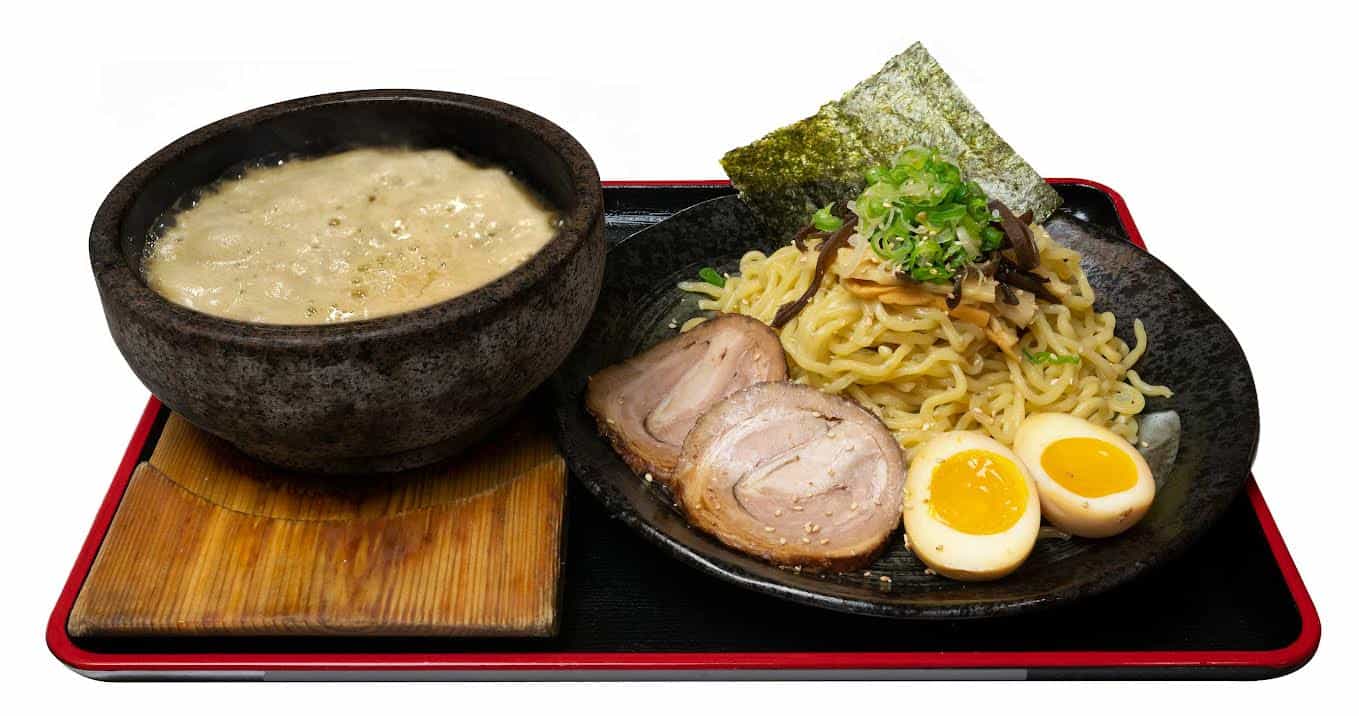
Specializing in exotic ramen-like Tsukemen (dipping ramen), black sesame noodles, and white sesame shio ramen, Ramen Isshin has been a go-to nook for those needing something hot in the middle of winter — whether popping in, grabbing to-go or delivering to home.
As for how they have stood out in Toronto’s highly competitive ramen scene, representatives of the brand noted that, if you are going to stay the big fish, innovation is key.
[Photo courtesy of Ramen Isshin.]
“We gather all senior managers and chefs to do a ‘new menu’ competition, where all chefs can present a new menu item. These items are then voted on, tweaked until we believe we have a great new item to serve our patrons,” Jason Matsubara, Director of Franchise Development with Ramen Ishiin, told yourcitywithIN.com via email.
Matsubara noted that this routine is executed several times a year to keep menus fresh across the board and entice the public with something new in a consistent manner.
With this as a baseline, Matsubara stated that this approach has also helped Ramen Isshin expand well beyond its humble beginnings in West Toronto.
“We’ve been very fortunate to have a great customer base who’ve consistently ranked us top in Ontario and Quebec. Our top stores are in Toronto, Montreal, and Ottawa,” adds Matsubara.
While some have taken an expansionist approach to comfort, others, despite a growing delivery culture, have focused on not just creating comforting food but a space as well.
The Skyline Diner
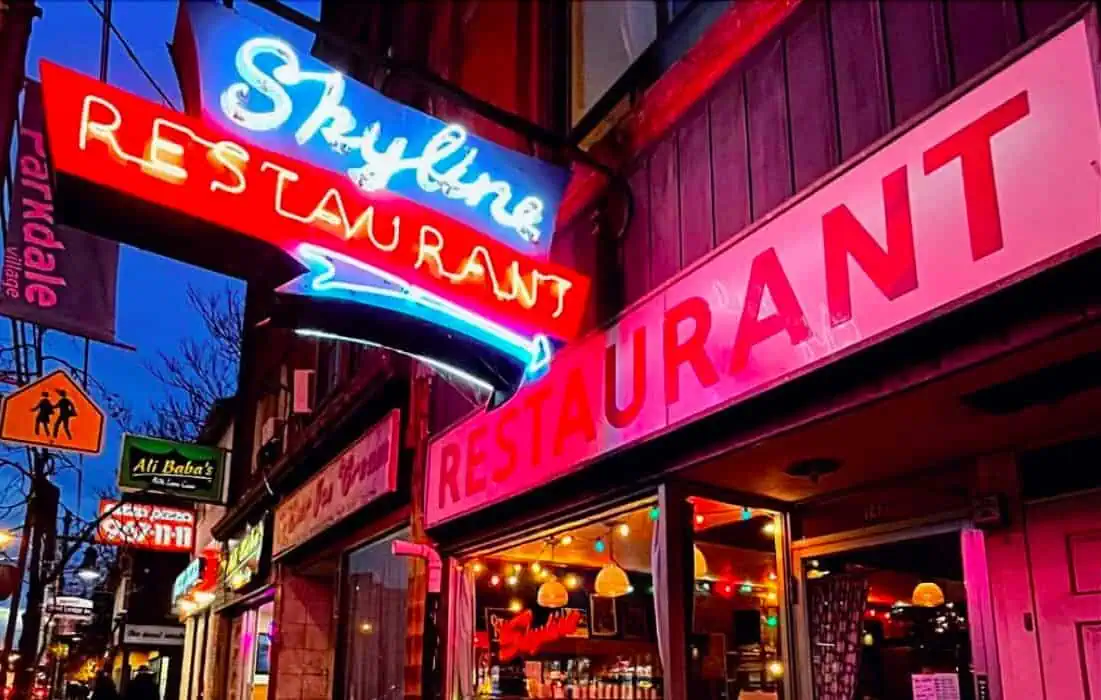
In Parkdale, under the neon of its decades-old sign, is the Skyline Diner.
While Toronto hosts numerous greasy spoons, like Vesta Lunch, the Lakeview or Chew Chew Grill, to name a handful, there is something about the Skyline that has kept it a focal point of its community for 60 years.
Whether you are popping in to grab a coffee and a slice of pie or a table with some pals, if there is any longstanding beacon of comfort in the west end, it’s here.
So, given the changing tides among the dining public, can this simple-grill sanctuary keep up with the times?
“I continue to feel honoured every day that people keep coming here, especially as they are being more selective with where they are spending their money; every outing is a special thing now in this economy,” owner and proprietor of Skyline, Maggie Ruhl, told yourcitywithiIN.com.
[Photo courtesy of Skyline]
The sibling duo of Maggie and Jud Ruhl have been operating Skyline for the better part of 10 years, after purchasing it from the previous owner.
Coming from a heavy-hitting background in Toronto hospitality, Maggie (former owner of The Ace and the Dakota Tavern) and Jud (co-owner of 3 Speed) have made it their mission to ensure that the Skyline keeps its doors open regardless of trends in Toronto.
“We’re very lucky that we are a ‘three-season’ restaurant, where people come in and get cozy for spring, fall, and winter, and spring — and then get to try these insanely delicious dishes,” says Ruhl.
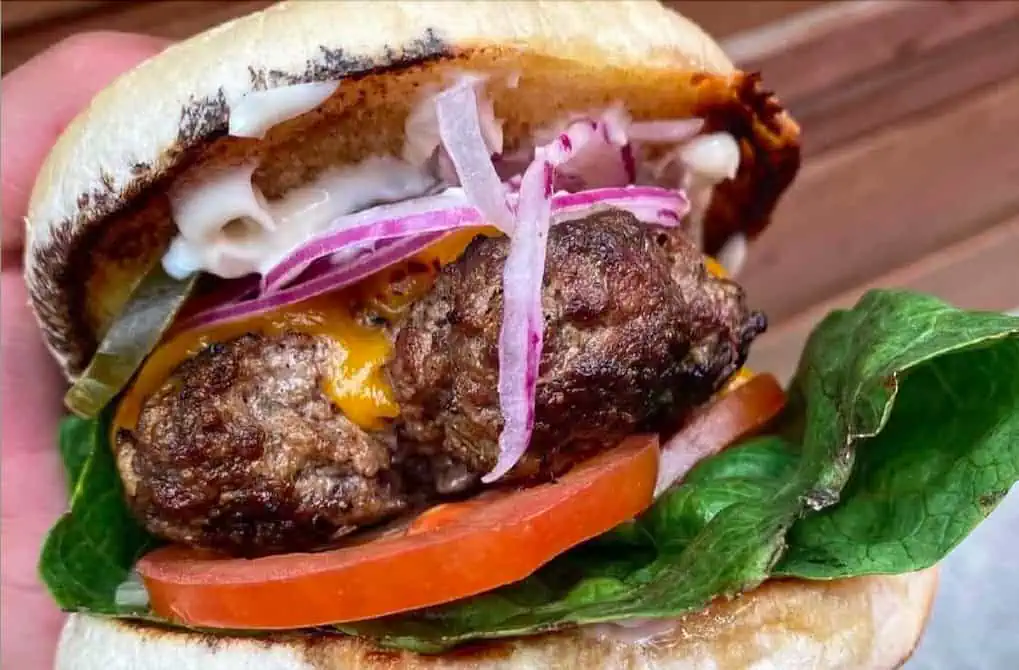
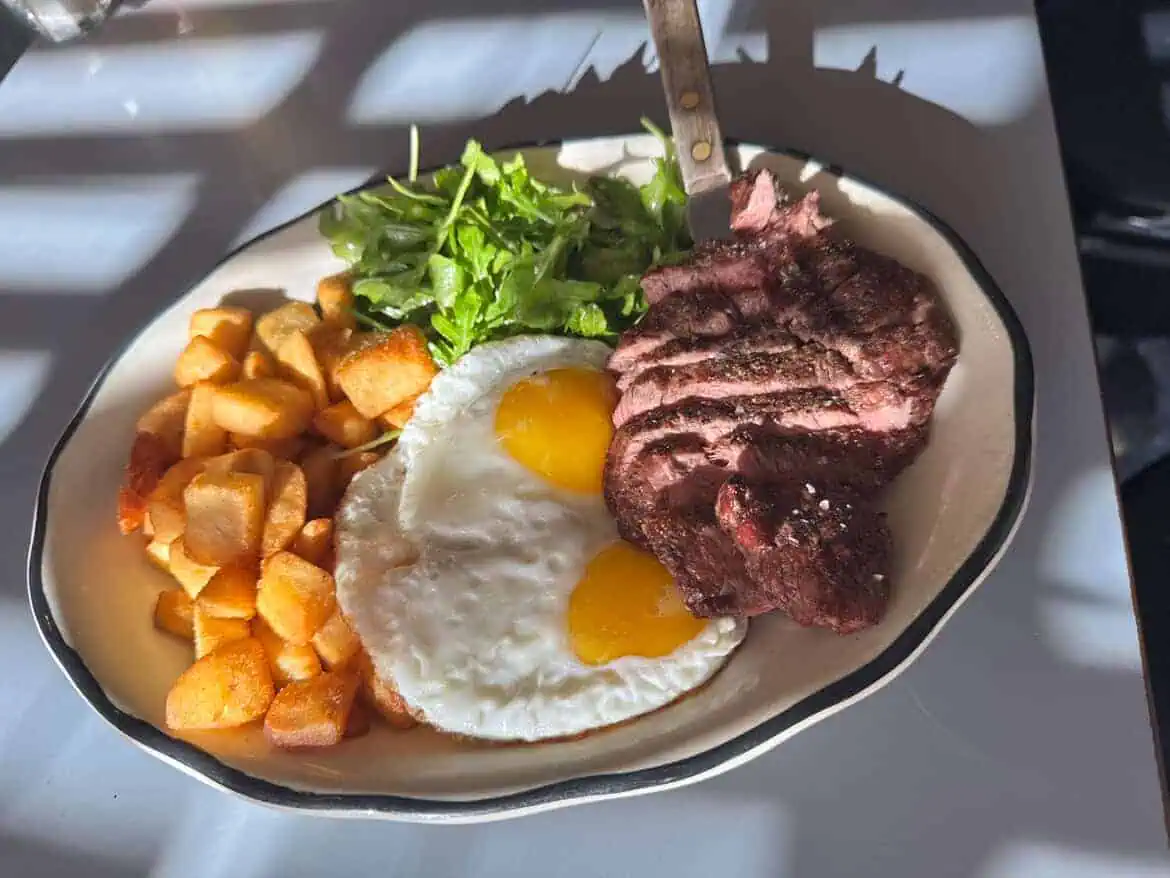
As for cuisine, think classic diner fare, but elevated to a degree that has kept people coming back for decades, like burgers, brunch, and specials built from the ground up daily.
As for how this remains the status quo — especially amid rising costs — authorities within Skyline’s kitchen ensured that, while some menu items may be subject to change, there will always be options.
“We’ve added a few items that actually are in the lower price bracket. Like things like a grilled cheese, or egg breakfast, those are going to stay as they always are because you should be able to get something hearty and healthy, no matter who you are, for under $22,” Mac Elo-Shepard, chef at Skyline, told yourcitywithIN.com.
[Photo courtesy of Skyline]
While a budget-friendly menu is just one aspect of Skyline’s hospitality attitude, what keeps people coming through rainy days and blizzards is its renowned, for lack of a better word, vibe.
While it gets busy at its peak, with servers running plates and tickets being stamped in the service window, there is almost always an unspoken degree of comfort in the air.
“There’s a lot of struggle happening out there, and with it, some divisiveness — people are having a hard time just affording their lives. I think that having a place where you can go and feel like you are part of a community is, well, at the end of the day, a lot more beneficial for your own mental health than having someone deliver cold eggs at your door,” says Elo-Shepard.
The Ruhls doubled down on this approach to building cozy community spaces in Parkdale as they opened The Bell & The Beacon a couple of years back, just down the road from Skyline.
Designed as a “multi-hyphenate restaurant-pub-patio,” the location features a cozy main floor dining room, specializing in Italian fare, and an upstairs bar that often hosts music nights.
As for whether or not other players in the city will follow suit and build programming and locations to be more accessible — especially against Toronto’s culinary glamour culture — Ruhl is already seeing the tide shift.
“A lot of places in the city, they do have the same philosophy as us, and they’re going to keep carrying on.”
[Headline photo courtesy of Skyline]