
Chefs: Past, Present and Global – A conversation with Suman Ali Sayed
Published August 5, 2025 at 10:23 am
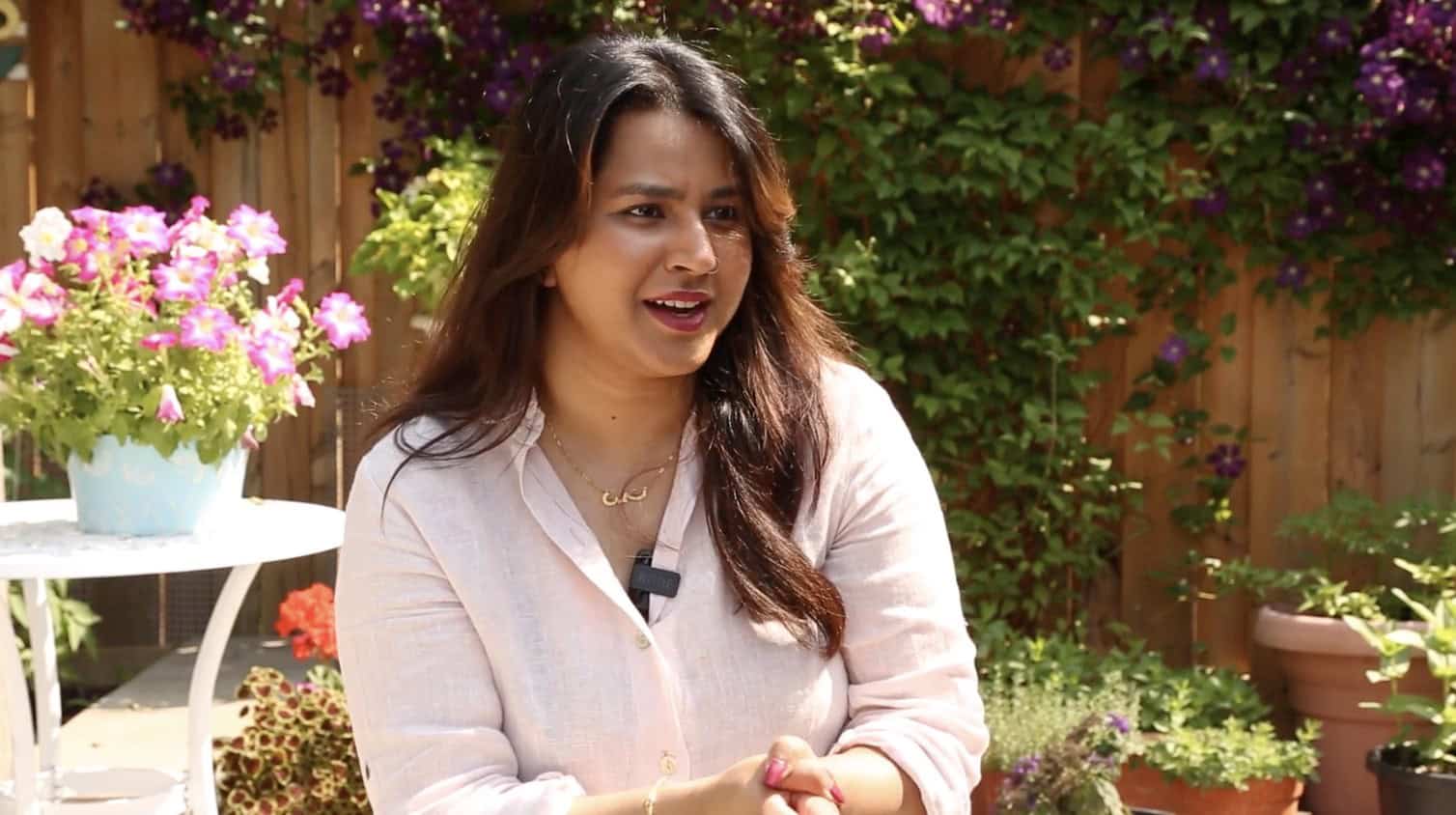
Rising to the top of the culinary world is notoriously difficult, with most celebrated chefs citing the punishing hours as one difficult–but often unavoidable–aspect of a career in the kitchen.
That’s why it’s most striking when Suman Ali Sayed, an award-winning Bahraini-Canadian chef who is currently a culinary partner at Toronto’s acclaimed Bar Mordecai and founder of Khaleeji (Gulf) cuisine venture House of Khaleej, says that, right now, she’s happy to slow down and focus on herself–and her new husband.
When Ali Sayed sat down with YourCityWithIN.com to talk about her culinary journey – the past, the present, and the global influences that inform her approach to cooking – she said that while the journey to get to where she is hasn’t always been easy, she’s taking the time to nourish not just the diners who can’t get enough of her cuisine, but herself.
“I’ve been in the industry for 14 years now and throughout my career, there has always been this mentality of staying focused in the kitchen. Hustle, you know, work those not nine-to-five shifts,” Ali Sayed says, adding that with time has come perspective and now, deep into her career, she knows the most exhausted chef isn’t the only one who can deliver the best experiences.
“If I want my food, which is my craft, to bring people together, I have to get my head outside of the kitchen walls.”
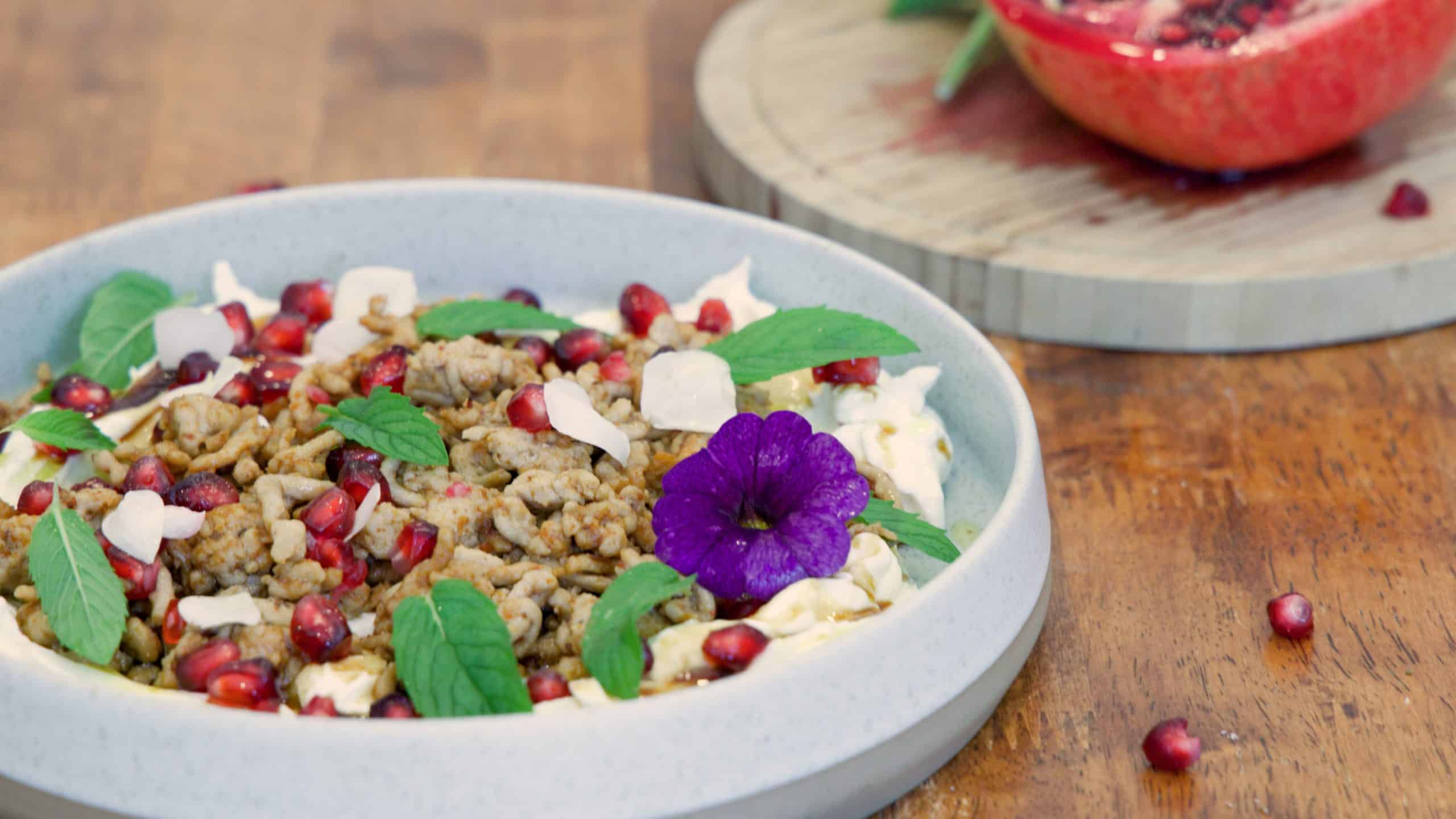
As far as kitchens go, Ali Sayed has toiled in some of the best at popular and prestigious restaurants and hotels (think ICONINK in Toronto, the Hyatt Regency in Calgary, Fairmont-brand hotels in Alberta and Abu Dhabi and the Royal Golf Club in Bahrain) and taught students enrolled in hospitality programs at both Fanshawe and Humber College.
She has also been featured on the James Beard-nominated food documentary series From the Wild and does her part to encourage more women to enter the kitchen, founding and investing in the PLAYBOOK app that helps accelerate career growth for women in various fields.
Acknowledging that she has “worn a lot of hats,” she emphasizes that while you have to lay the groundwork for a career in what can be a tough industry, there isn’t just one role available to a prospective chef.
“The beauty of this industry is that there are multiple roles that you can carry on with, rather than just one and being able to recognize that itself takes a lot of effort,” she says.
“Don’t think that you can only be a cook or you can only be a pastry chef. There’s a lot more out there. However, you will have to get out of your comfort zone. Figure it out, put in that effort.”
While Ali Sayed says she has pushed boundaries and tried a little bit of everything–cooking, teaching and entrepreneurship–one thing is certain: She has always wanted to be a chef.
Past
Born in the Kingdom of Bahrain, an island country situated on the Persian Gulf between Qatar and Saudi Arabia, Ali Sayed says she knew when she was just 13 years old that she wanted to be a chef.
“Back in the Middle East, there is a channel called Fatafeat, which is basically The Food Network, but in Arabic,” she says, adding that the food and lifestyle channel showed her that simple dishes such as pasta or cake can both look stunning on screen and trigger an emotional response in a diner.
“When you place that dish in front of people, or family or people who you love, it just brings that emotion. Cooking is a very emotional sort of profession.”
She also credits her mother with instilling a love of food and cooking early on.
“My mom’s a great cook as well. Growing up, she was a working mother as well, so there was always this hands-on approach. You know, make your own meals or make your own Friday or Saturday brunch when you wake up.”
As Ali Sayed grew, her love of food stayed with her and she began training for a career in the culinary arts in Jordan. The leap, she said, wasn’t easy.
“I was hit with a curveball very early on in my career from just wanting to pursue this profession as a chef and coming from a very conservative [background],” she says.
“It’s very unconventional to choose [that career] where I come from and facing that from the very beginning and overcoming that challenge sort of helped me navigate all the other curveballs that came ahead in my life.”
Despite some resistance to her ambitions, her family became her greatest champions and her culinary journey took her from the Middle East to Canada in 2014. As for why she chose Canada, Ali Sayed says her interest in the country began after working with Canadian chefs in Abu Dhabi and Dubai.
“They sort of inspired me to travel to North America and experience the whole culinary aspect of this career over here,” she says, adding that she made the journey alone.
“It was a one-year tenure, and that one year ended up becoming 11 years in Canada, and I’m so grateful for that entire journey.”
Present
Moving from one country to another is never easy, but Ali Sayed says that while the word “diverse” is overused (especially in reference to the overall Canadian food scene), it’s true that in Canada, anyone can experience any cuisine from almost anywhere in the world–something that lends itself well to cross-cultural promotion.
Ali Sayed says that her culinary diplomacy work promoting authentic Canadian products and ingredients in the Middle East is, in her mind, one of her most outstanding achievements so far.
“I’ve done some work with the Canadian embassy in Saudi Arabia and Bahrain and again, cross-cultural promotion. After those collaborations, I did have people come up to me and genuinely compliment me on utilizing my craft to bring two countries together,” she says.
“Figuratively or literally, we can always have all these walls in between us, but there are so many similarities between cultures and between countries. So just to identify that and using my craft, which is food and cooking, to bring people together, I think that definitely was one of my victories.”
Another decidedly Canadian experience the chef remembers fondly? Cooking for diners in Ontario’s beloved Muskoka region.
“One of the most unique things about creating something in Canada and maybe not elsewhere, is this Dinner on the Deck that I did with my team in Muskoka,” she says.
The event involved hosting a Bahraini Majlis on the deck of TerraWoods Muskoka Shores and preparing a special meal for guests to enjoy while overlooking the lake. A photo of the event, which captured about a dozen people on cushions on a picturesque dock, has since been featured at Toronto Pearson Airport as part of the airport’s Take Your Seat series.
But while the adventures haven’t stopped, Ali Sayed is also taking the time to settle into married life with her husband in Mississauga.
“I just got married and it’s a moment for me to take a bit of a pause. I am taking things slowly and trying to enjoy this period and anyone who is from the culinary or hospitality industry would know that finding your significant other and wanting to slow down in life comes with a lot of guilt,” she says.
“We are just programmed in such a way that if we take time off or if we want to relax, there’s this urgency in our heads and that feeling that like ‘oh my god, I’m taking a break or I’m slowing down, what’s going to happen next?’ It’s okay to slow down a little bit and take that breather.”
That said, the acclaimed chef isn’t letting her slower schedule get in the way of her dreams.
“My creative spark doesn’t turn off at all. I’m just prioritizing my personal life right now. However, at the same time, I have started working on my first book.”
And as for where she’s choosing to dine out at the moment, Ali Sayed picks something a little unexpected: pizza.
“Once a month, I’m making the trip all the way to downtown Toronto to King Slice,” she says.
Global
While Ali Sayed has fast become known for both simple and complex offerings that are big on punch and flavour (such as her signature labneh badinjan and beef qheema dish), one of her core food memories involves a fairly standard fruit you can find at almost any grocery store.
“When I was probably eight or nine years old, I would join my mom at the souk, which is basically like a local farmers’ market that we would visit on her days off. One of the farmers was very well known for his fruits and we would always get our food from there and he just had this really giant watermelon,” she says.
“It was a hot summery day. Probably in July or August, and he had this ginormous piece of watermelon. He takes his knife, cuts this perfect piece of triangle and removes it and offers me a bite and I’m not exaggerating, I have never tasted that same exact type of sweet watermelon ever in my life again.”
For Ali Sayed, the watermelon was just the beginning of a journey that recognizes that food, across the world, has significant emotional resonance.
“I think that would have been one of my first memories associating emotion with food because for me, it just made me feel so happy.”
Other happy-making moments in her past also involve the simple but hearty foods you can enjoy every day, but still get excited about.
“My favourite spot to eat back home sells a chickpea-like stew on top of samboosa (samosa in Bahraini Arabic dialect) called “aloo basheer,” she says, adding that the shop is also named, fittingly, Aloo Basheer.
“The dish is so popular that you see it on the menus of other restaurants as well.”
Another spot that Ali Sayed remembers fondly is a falafel restaurant in Amman, Jordan. Located just behind her dormitory, the restaurant became a mainstay for her and other students while they studied culinary arts.
“Humble and great food,” she says.
A dish a little less humble–or at least more exotic (in Canada, at least)? A camel dish she tried in Saudi Arabia.
“I’ll always remember camel kabsa from Saudi Arabia,” she says, adding that Hashi Basha–a restaurant that says it invites diners to embark on a “sensory journey through the heart of Saudi cuisine”–serves the dish made up of tender camel meat cooked in a variety of spices and served with rice.
For Ali Sayed, cooking and creating are never truly on the back burner because for her, cooking isn’t just about making a living–it’s about love.
“When someone cooks food for you or puts that effort into cooking food for you, it’s a love language, you know? Not just purchasing those ingredients or groceries, but actually chopping the ingredients, there’s a lot of patience. There’s a lot of faith that the dish will come out good and even if you follow a recipe to the T, if there is a lot of emotion and love in it. I think that dish just translates into creating those further emotions.”