
Behind the camera talent at TIFF praise new filmmakers of Toronto
Published September 16, 2026 at 4:17 pm
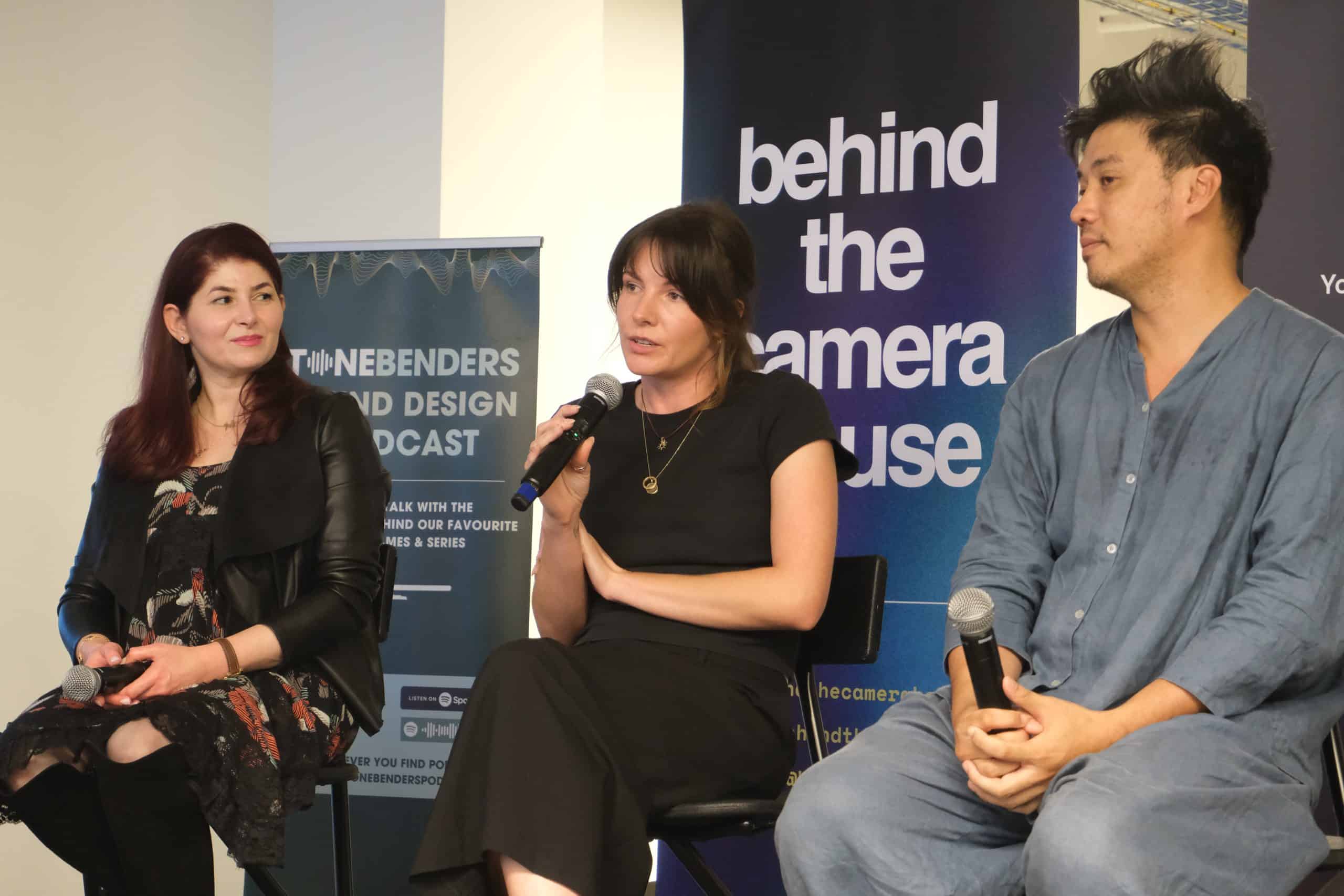
Creators behind the biggest premieres at this year’s TIFF delved into the filmmaking process at a behind-the-scenes event.
While this year’s Toronto International Film Festival (TIFF) has seen some of Hollywood’s biggest stars stroll downtown, those who truly make a film fit together have also been in attendance, showcasing the staggering team effort of film production.
As a result, Behind the Camera House, a panel event showcasing editors, cinematographers, production designers, and more, has been in full swing during TIFF, allowing those curious about how movie magic happens to drop in and get details behind this year’s most ambitious festival premieres.
In attendance were Bruce Thierry Chung, the Cinematographer of Drifter, a high-stakes film about drift racing; Kate Ferry, Production Designer of Neverman, a tale that dives deep into flaws in Canadian healthcare and its treatment of queer patients; and Yvette M. Amirian, editor of Fried Chicken and Strip Checkers, a new short highlighting life in Armenia in the early 2000s, and the complexities of childhood.
With such a high calibre of panellists, those dropping in were mostly contemporaries of this year’s TIFF filmmakers, while also, at the same time, the creators of tomorrow looking to hear directly from the source on how film production works.
“On the surface, filmmaking can seem to be just the stars, directors, and maybe the producers. People who are not in the industry naturally don’t understand that there is a huge mechanism behind it — I am nothing without my assistant editor; I am nothing without my director, and at the end of the day, everyone on and off set knows it’s about bringing those pieces together,” Amirian told yourcitywithIN.
All panellists highlight that — when it comes to the act of filmmaking — even though production has its own glamour separate from acting, writing, or directing, all players involved are keenly aware that a film set is more akin to a living thing, rather than something inherently mechanical or choreographed.
“Creating a film, when you are there, you are keenly aware that it is its own microorganism or environment — if you take out one species or fauna, in this case, a role on set, everything is going to fall apart,” Ferry told yourcitywithIN.
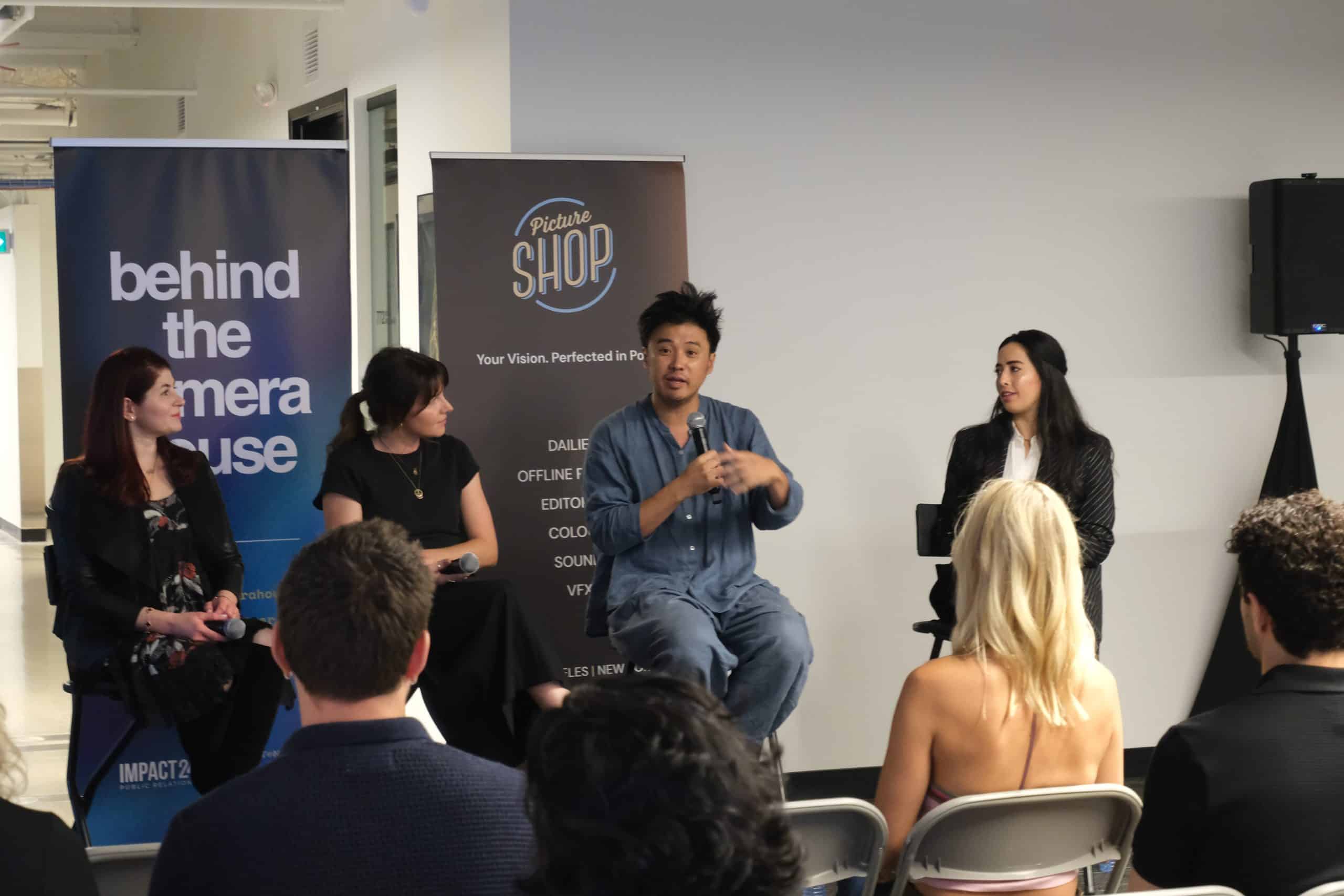
[Amirian, Ferry, and Chung (pictured left to right) talking shop with Toronto’s star filmmakers of tomorrow]
Beyond the biology of a film set, Chung, Ferry, and Amirian all reminisced about one major sensation that gripped them when they started filmmaking. Specifically in this case, a particular kind of ego death that enveloped them the minute they realized they were part of something bigger than themselves.
A huge notion, as for Chung, who was an architect, and Ferry, who practically wandered onto a film set one day, that sense of wonder practically jump-started their respective filmmaking journeys.
“When you realize it’s just a bunch of people working together to make something really sing, that’s when it gets its hooks into you. On Drifter, I felt so lucky to work so closely with the team that covers post-production, because my job is often so locked to set and composing shots. This new way of filmmaking that is happening, where you get to sculpt it in space in real time, with all hands, is really special,” Chung told yourcitywithIN.
Beyond the inciting incident that got all three panellists moving behind the proverbial camera, all of them have also made educating the next generation on filmmaking a huge part of their professional endeavours. Especially for Amirian, who teaches at the University of Southern California (USC), having numerous Toronto-based young filmmakers attend the Behind the Camera House event was a dream come true.
“I have students who sometimes come into my class who have never touched a camera before. The minute they do, it is illuminating, even if they are enrolled in something far from film and are just there as an elective; just the act of knowing all the moving pieces really opens their eyes to what is out there,” says Amirian.
All panellists unanimously agreed that, especially with the landscape of new young filmmakers, using platforms like YouTube or TikTok as a springboard for filmmaking is not only common, but encouraged — as anyone in the industry will always encourage the use of all available tools that incubate human ingenuity.
“There is just so much to access now, to anybody who is even remotely interested. Now that being said, I don’t think we’ll get everyone out there to appreciate what we do, but there is even a magic to that,” adds Ferry.
Even with all three being currently at the top of their game professionally, major events like TIFF allow them to still engage with young minds who either appreciate film and, in turn, even teach the pros a trick or two, with Chung driving the point home, saying, “We’re sharing this, and the language of film is moving very fast, and to be honest, these kids are teaching me a thing or two, and will likely continue to do so.”