
9 Canadian PSAs that raised us
Published May 16, 2025 at 9:20 am
Before social media told us what to care about, Canadian kids got their life lessons in 30-second doses because of Concerned Children’s Advertisers.
Broadcast between our favourite shows, these public service announcements tackled everything from peer pressure and self-worth to addiction, bullying and media literacy.
Here are nine PSAs that raised us:
Brain (1990)
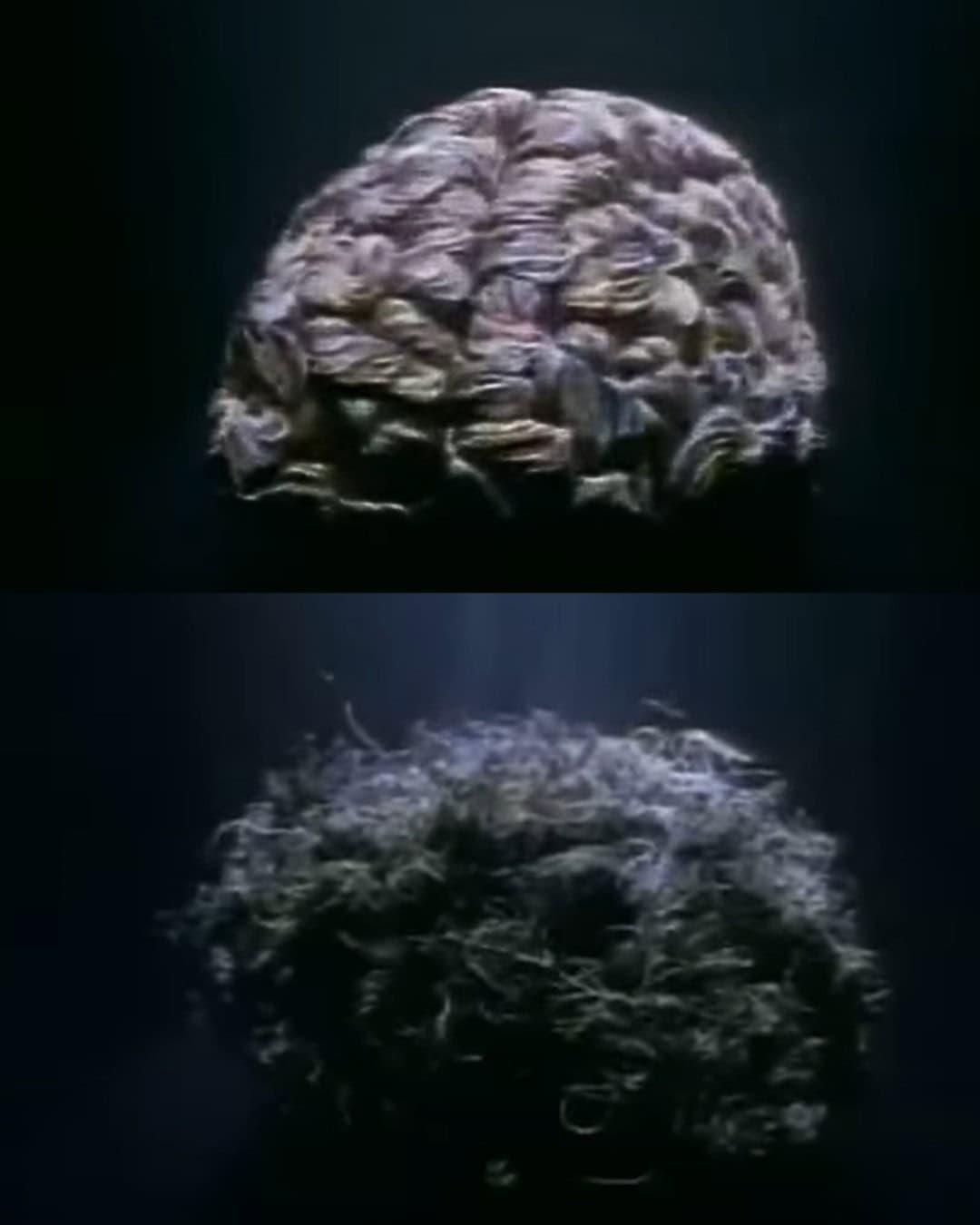
A brain made entirely of electrical wires lights up and pulses, until a hand starts snipping wires, causing it to short-circuit. A firm woman’s voice narrates a warning: “Think about it while you still can.” A chilling early message about how drugs affect the mind.
Mimic (1990)
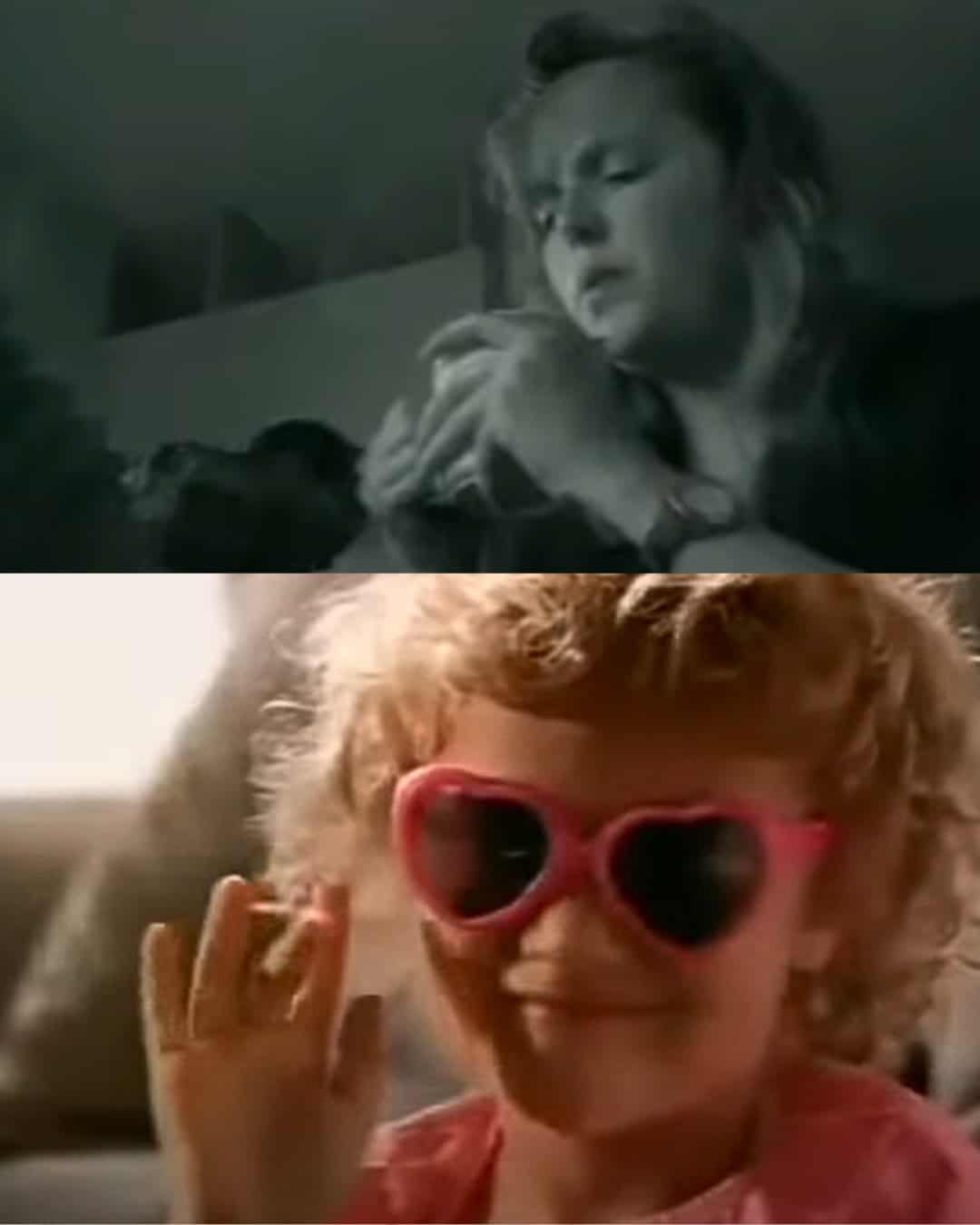
A young girl pretends to smoke and drink using toys, echoing the behaviour she’s observed from adults. The PSA overlays black-and-white clips of grown-up parties and substance use, as a female narrator notes, “Kids are copycats.” It ends with a serious male voice cautioning, “Someone’s watching your every action. Be aware. Be wise.”
Rehab (1992)
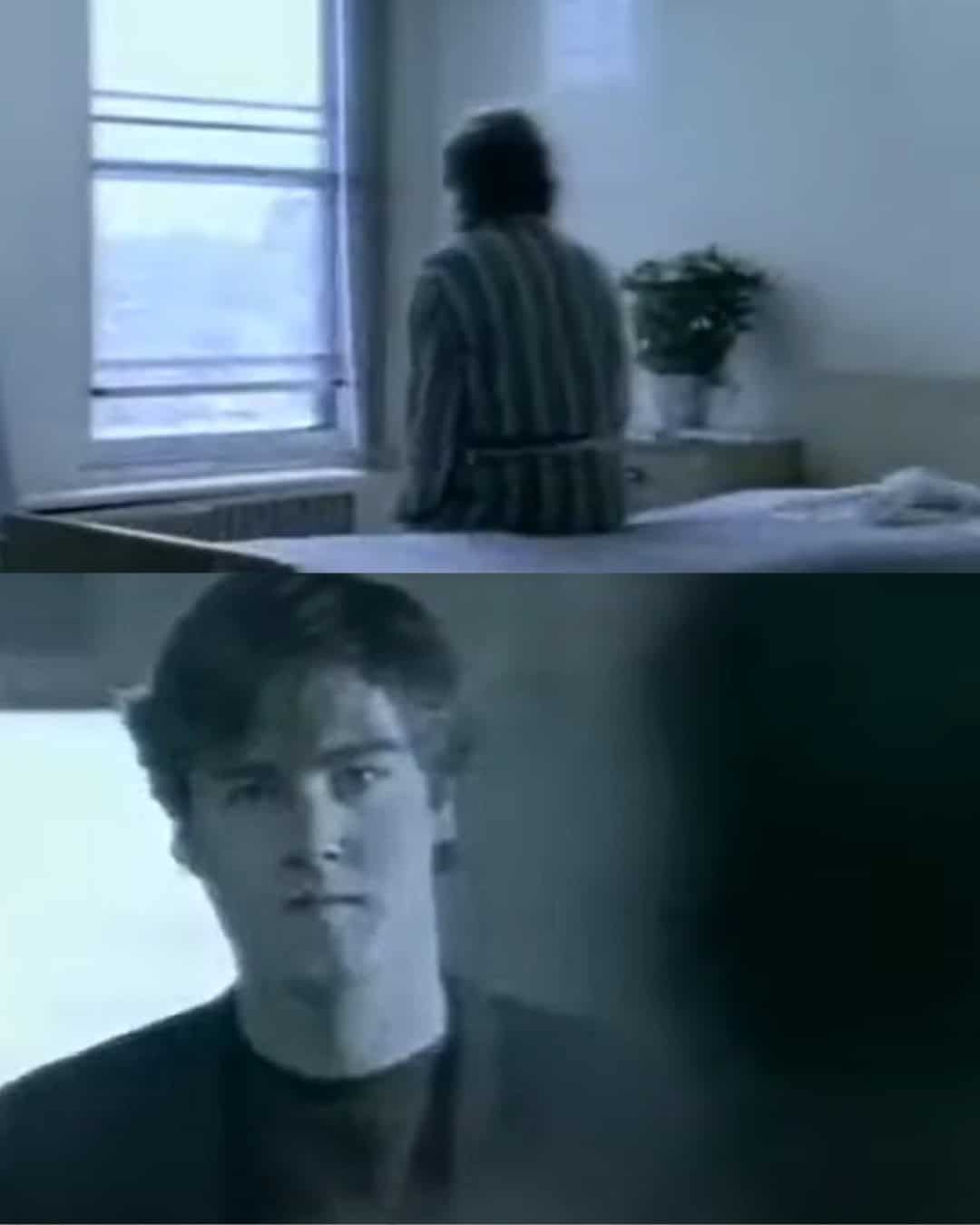
A recovering young man reflects on his descent into drug use and the childhood friend who always tried to help. “He Ain’t Heavy, He’s My Brother” by The Hollies plays softly in the background as he finally reunites with his friend at a rehab facility. The voice-over concludes, “If you try to stop a friend from using drugs, you may not succeed, but at least you tried, and that’s what friends are for.”
The Trap (1993)
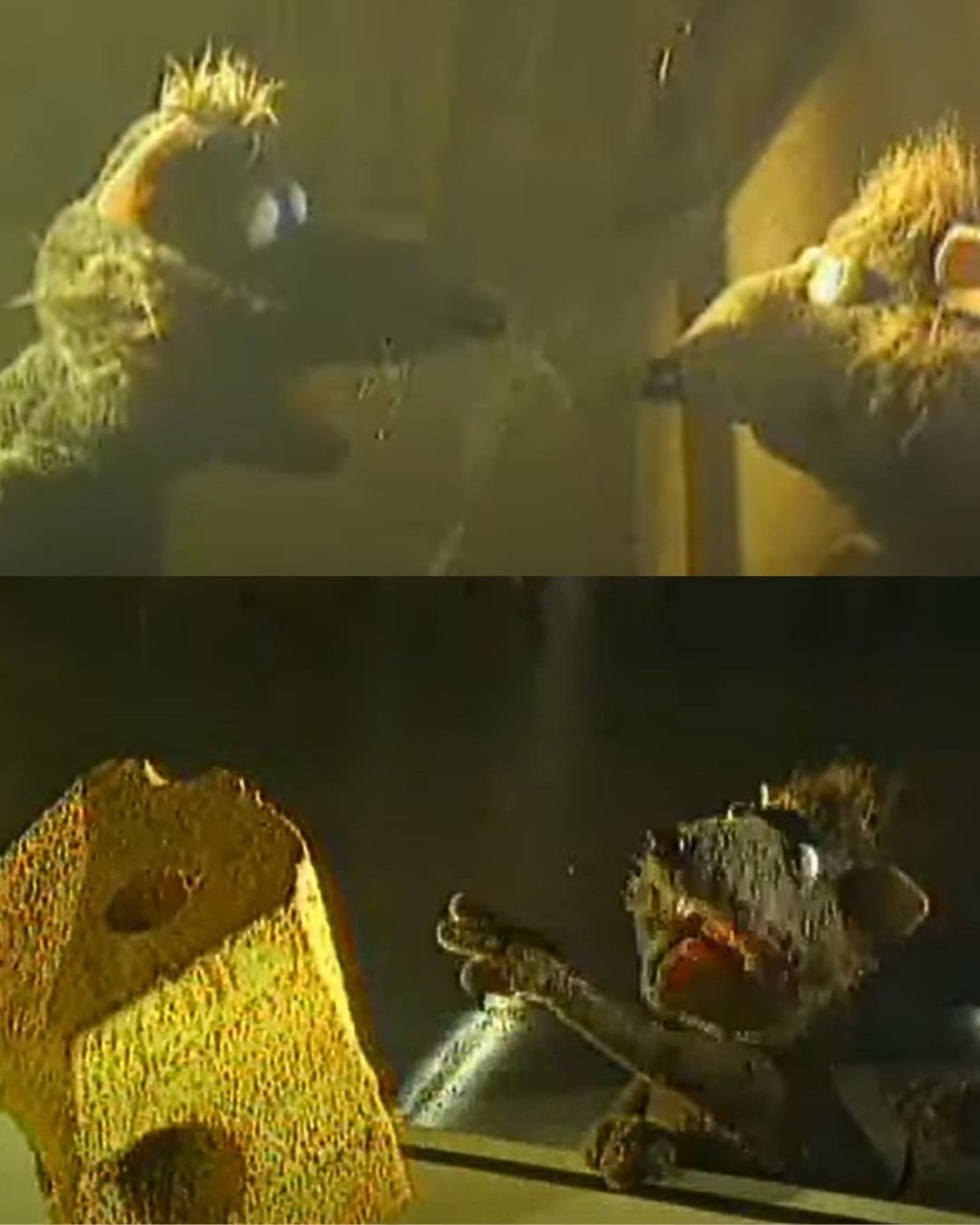
Two puppet mice come across a cheese-laden mousetrap. One mouse urges the other not to touch it, explaining the danger. The PSA uses a simple setup to promote critical thinking and the importance of asking for help when something seems unfamiliar or suspicious.
Hip Choice (1993)
Two puppet kids encounter a shady drug dealer in a dark alley. He opens his hands, offering them drugs, as a distorted flash sequence of real-life addicts, overdose victims and celebrity deaths flashes on screen. The message says, “You have a choice.”
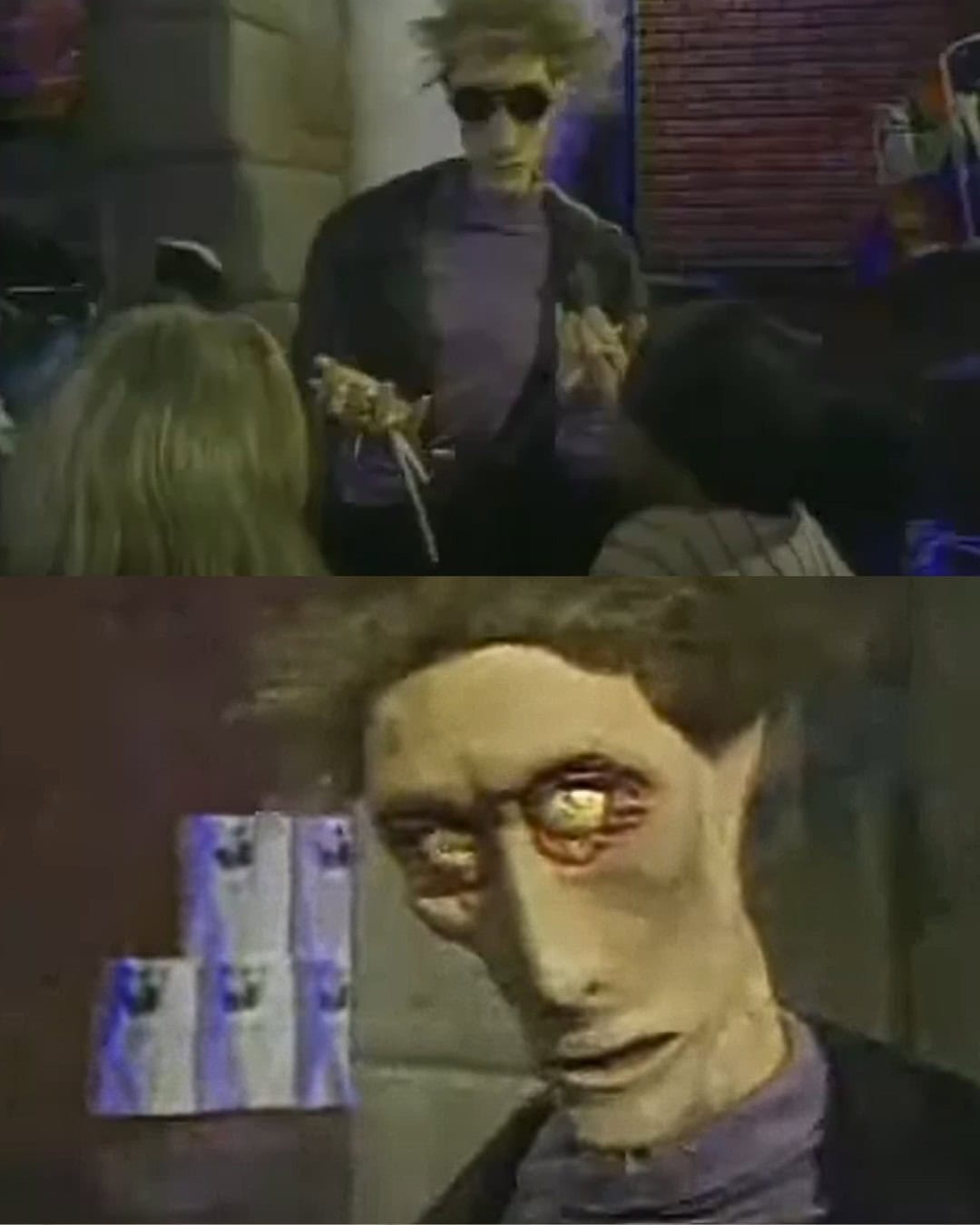
This PSA has two versions:
In the original, after the kids reject the offer, the man removes his sunglasses to reveal eerie, glowing yellow eyes as ominous music plays. This version was eventually pulled after parents complained it was too frightening for children.
The revised version tones it down. The man does not remove his glasses and goes silent as the kids walk away.
Boutique (1998)
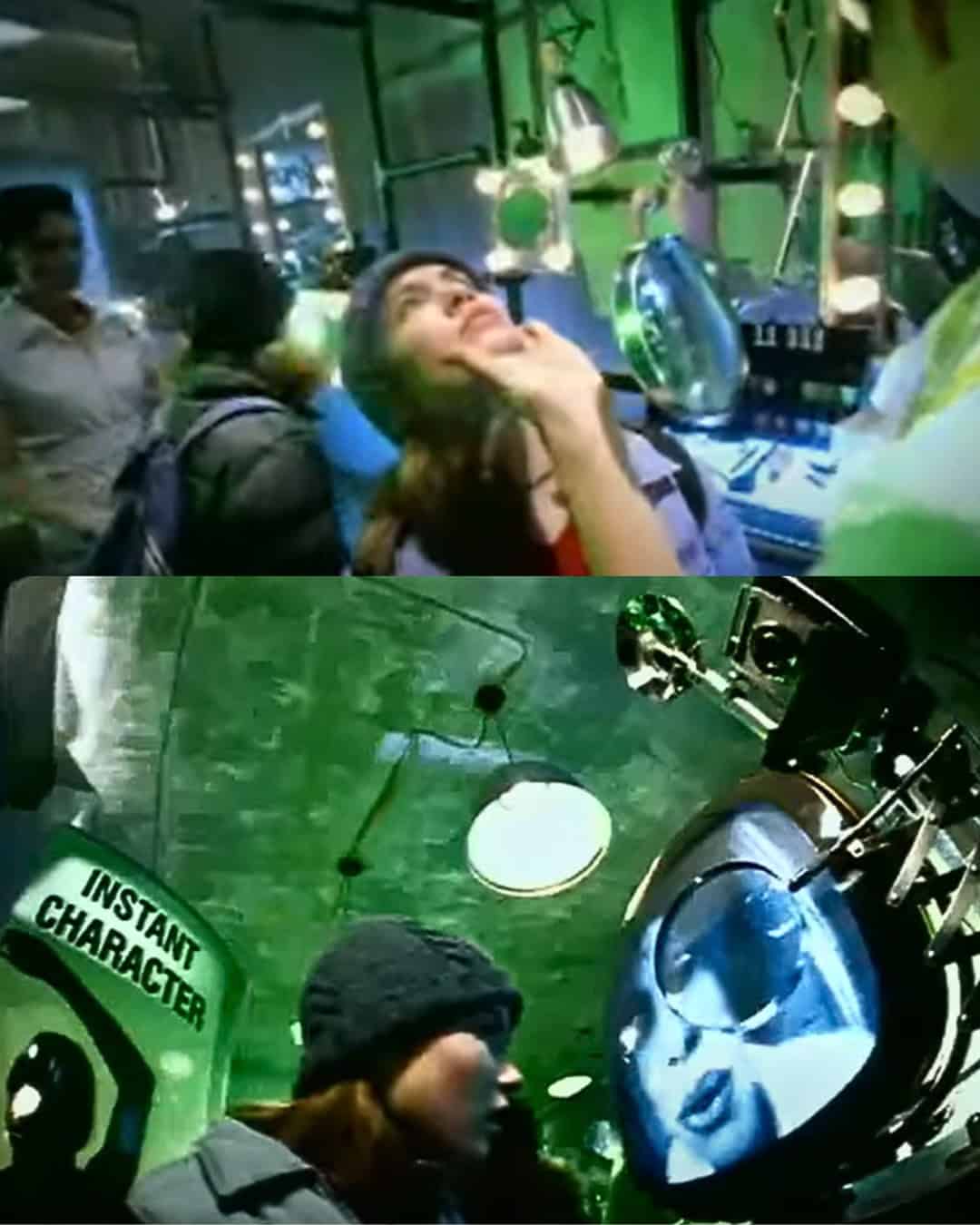
After seeing a stylish older girl leave a boutique, two young girls enter, hoping to be transformed. Instead, they’re pressured through a bizarre series of “enhancements,” from makeup and plastic surgery to a “personality changing room.” A robotic voice repeats, “Why be you, when you can be me?” The girls ultimately run out, choosing to remain themselves.
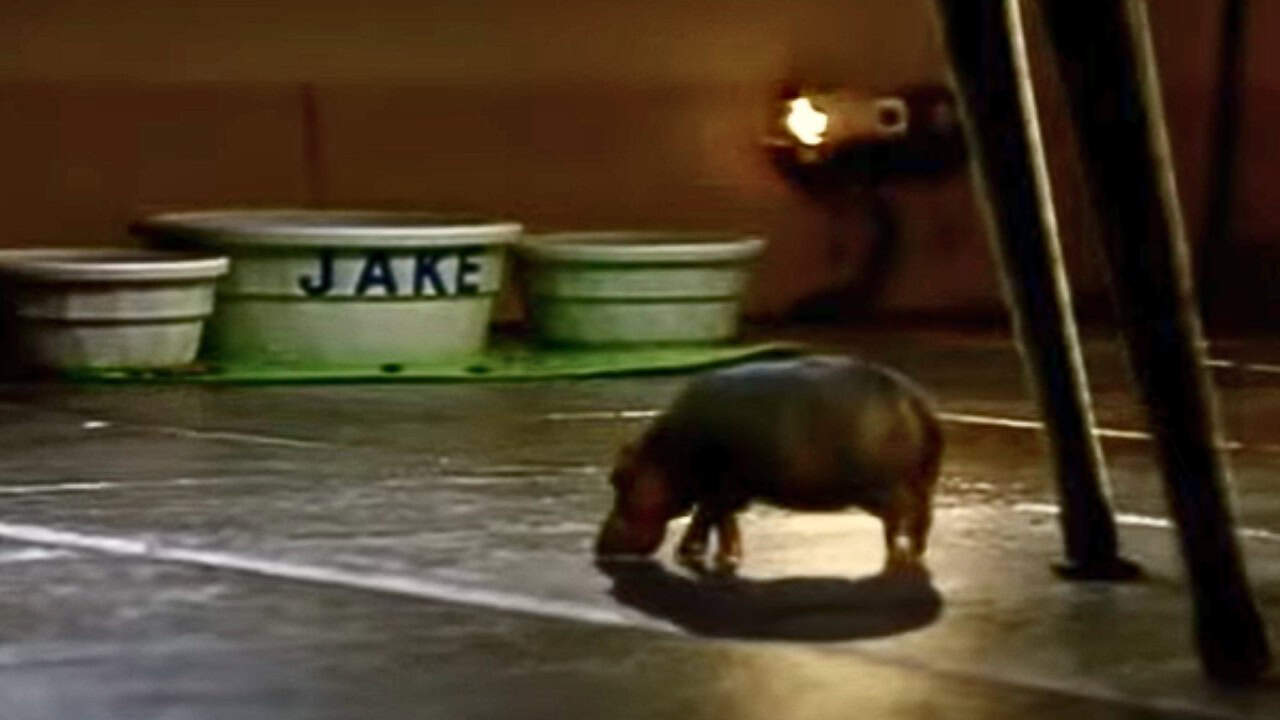
The House Hippo (1999)
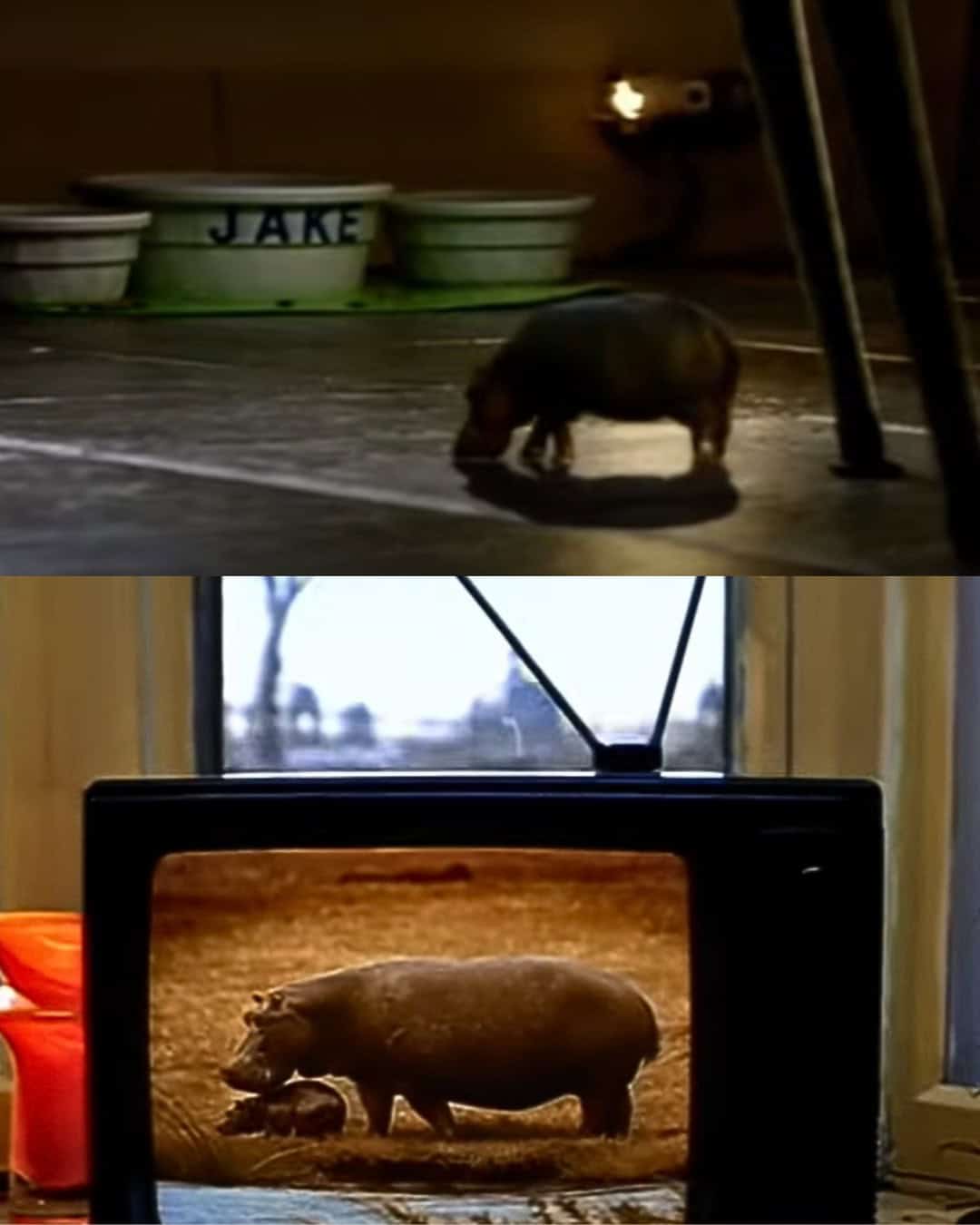
This beloved parody PSA mimics the style of a wildlife documentary, introducing the fictional “house hippo.” A tiny creature that sneaks crumbs at night and nests in laundry. After drawing us in with adorable detail, the narrator switches tone: “The house hippo isn’t real. Don’t believe everything you see.” It was a gentle lesson in media literacy.
What’s Your Thing? (1999)
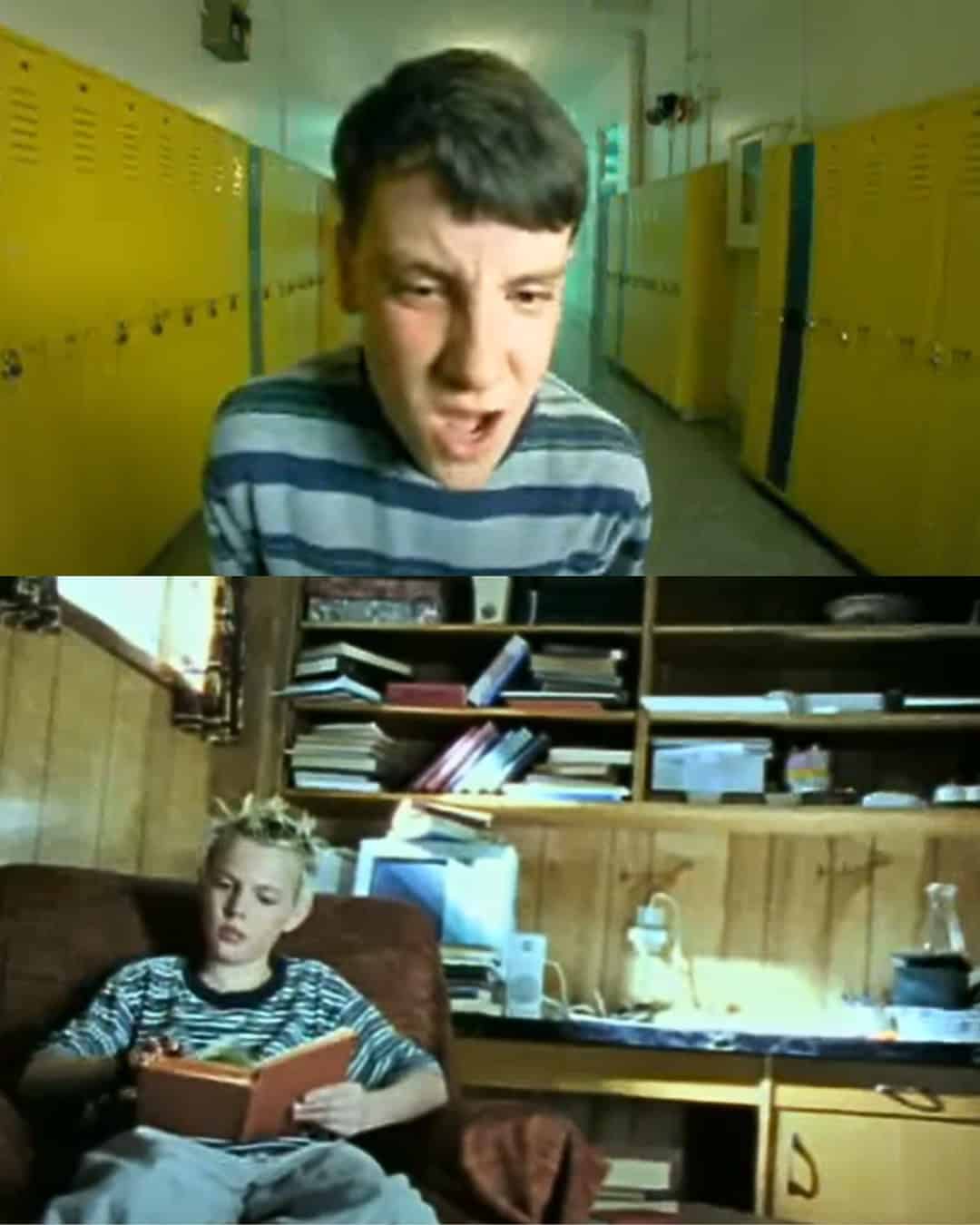
Kids and teens proudly show off their talents, from tap dancing and sound effects to juggling and painting. A bright, upbeat soundtrack plays as the narrator reminds us, “Nobody’s good at everything. But everybody’s good at something.” This PSA is a celebration of individuality and self-confidence.
Words Hurt (2003)
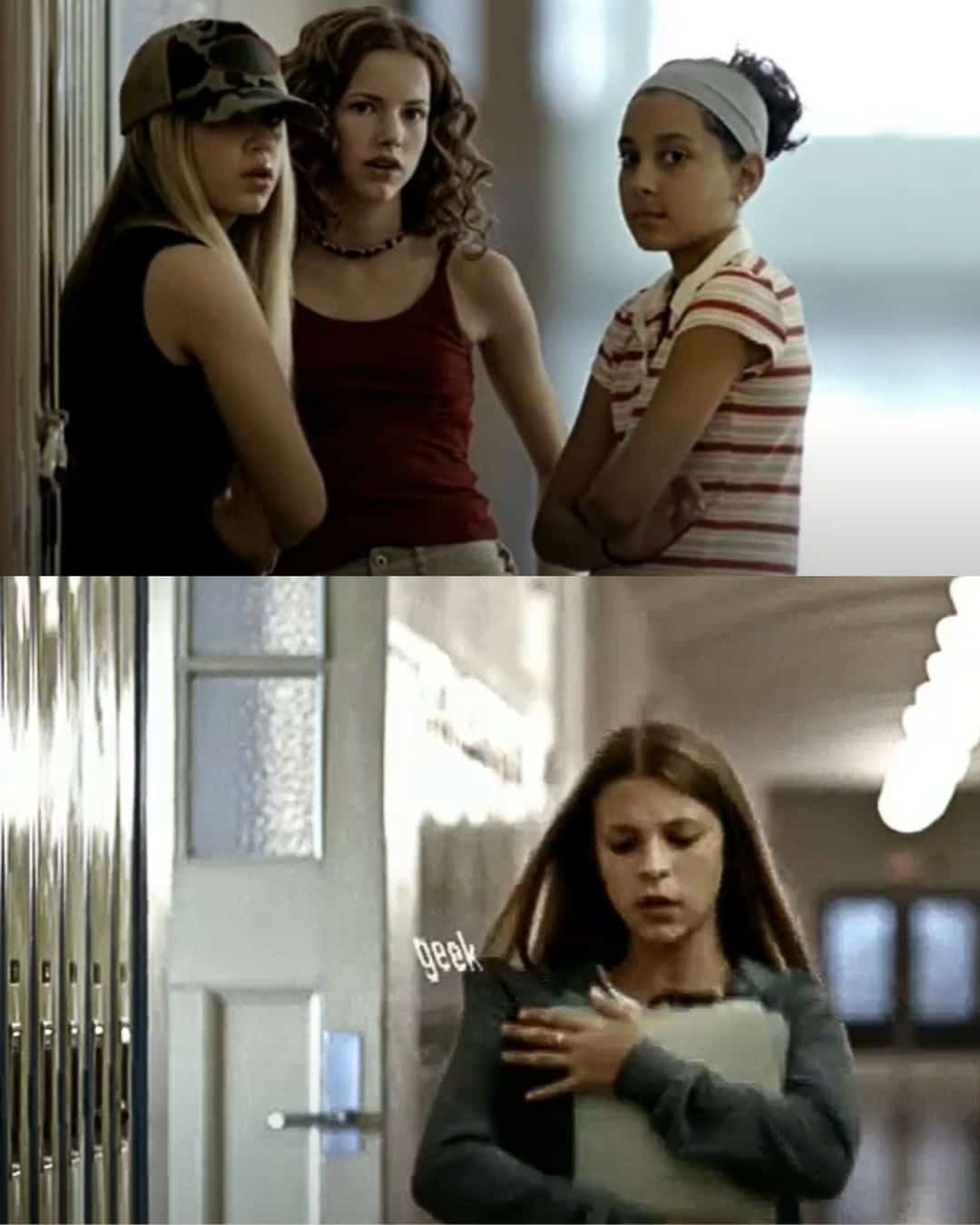
A girl pauses to get a drink at a school fountain before overhearing classmates whispering behind her. The insults literally turn into physical projectiles, chasing and attacking her as she runs.
—Photos via YouTube at Concerned Children’s Advertisers’ @ccacanada