
100-year-old Ontario estate to open to public for first time in 40 years for solemn exhibit
Published October 1, 2025 at 2:44 pm
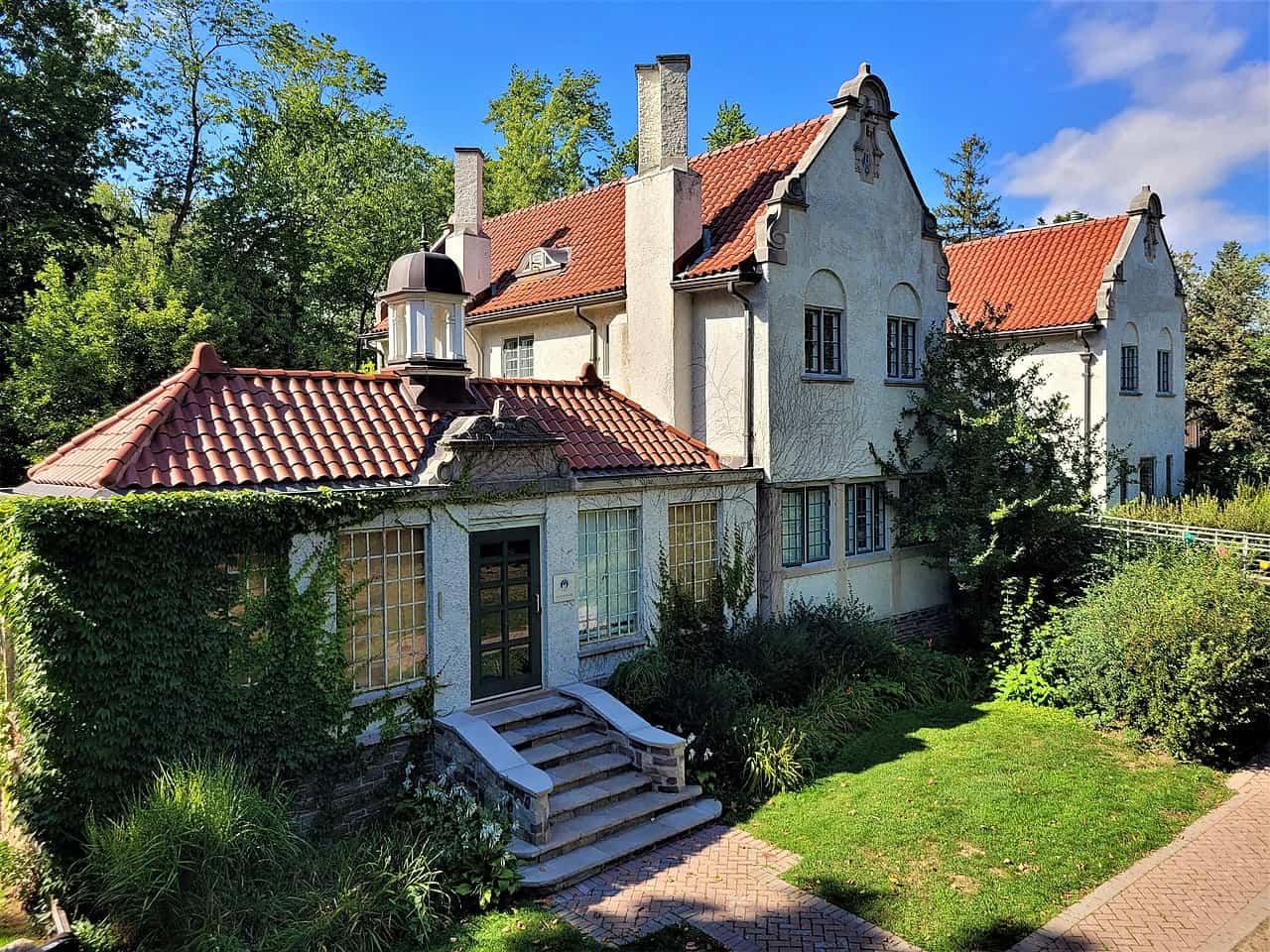
A picturesque estate just outside of Toronto will, for the first time in four decades, open continuously to the public to showcase a solemn historical exhibit.
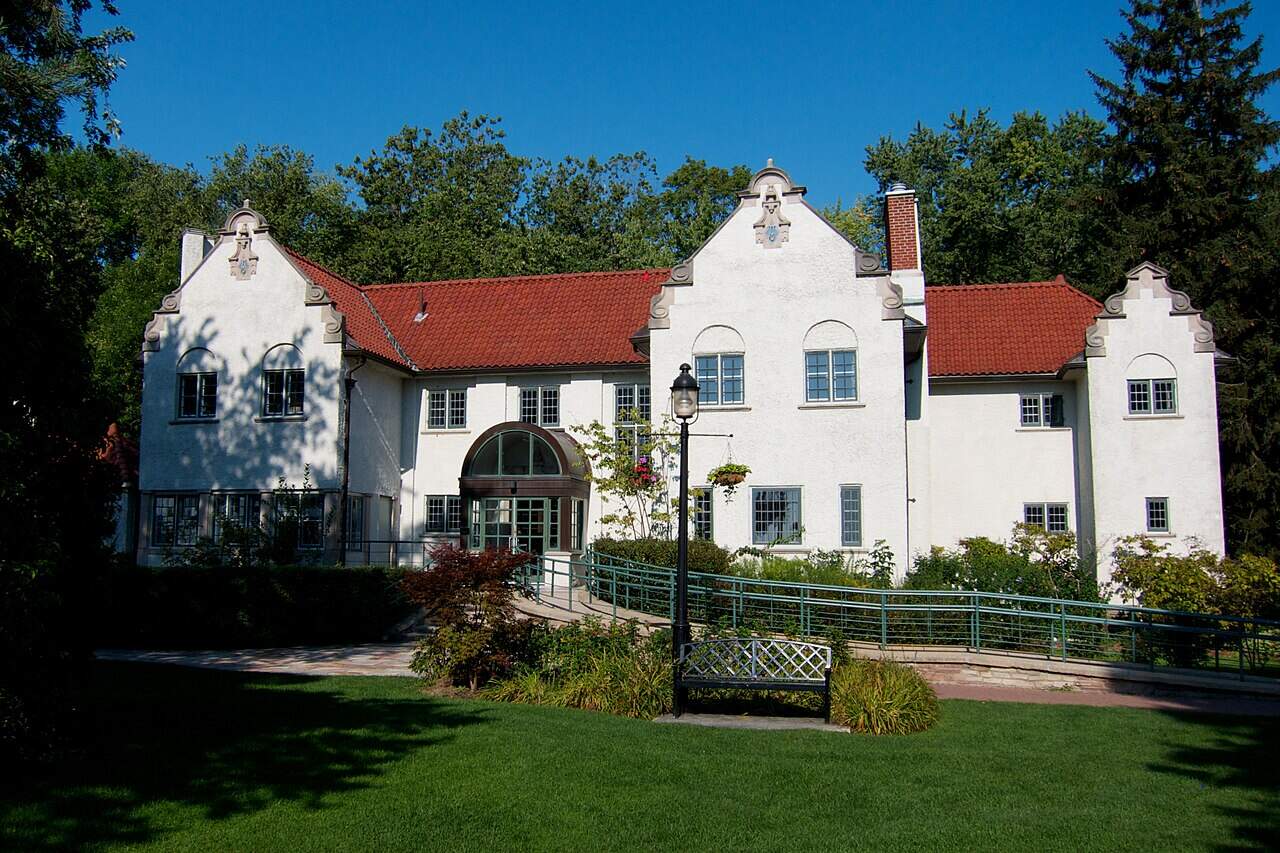
Today, the City of Mississauga announced that the Adamson Estate (850 Enola Ave), a sprawling property constructed in 1919 that has been mostly closed to the public for the last 40 years, will host the upcoming A History Exposed: The Enslavement of Black People in Canada exhibit.
The exhibit, set to run from Oct. 4 to Dec. 28, is on loan exclusively to the city. Originally from the Canadian Museum of Immigration at Pier 21 in Halifax, the exhibition, created with Canadian historian Dr. Afua Cooper and in partnership with the Black Cultural Centre for Nova Scotia, explores Canada’s little-known involvement in the historic enslavement of Black people.
View this post on Instagram
According to the exhibit’s website, the majority of Black people who lived in Canada before the establishment of the Underground Railroad were slaves and “slavery played a significant role in the early settlement of Canada.”
The exhibit invites attendees to learn about the experiences of people who suffered under slavery through individual biographies and archival records, as well as the history of slavery in Canada.
According to the city, the exhibition will spend the next four years touring across Canada, and Adamson Estate will be its only stop in the GTA.
To accompany the project, the Museums of Mississauga have also curated an exhibition on the history of Black people in Mississauga, highlighting some of the city’s founding Black families and their stories.
The setting of the exhibit is, of course, noteworthy.
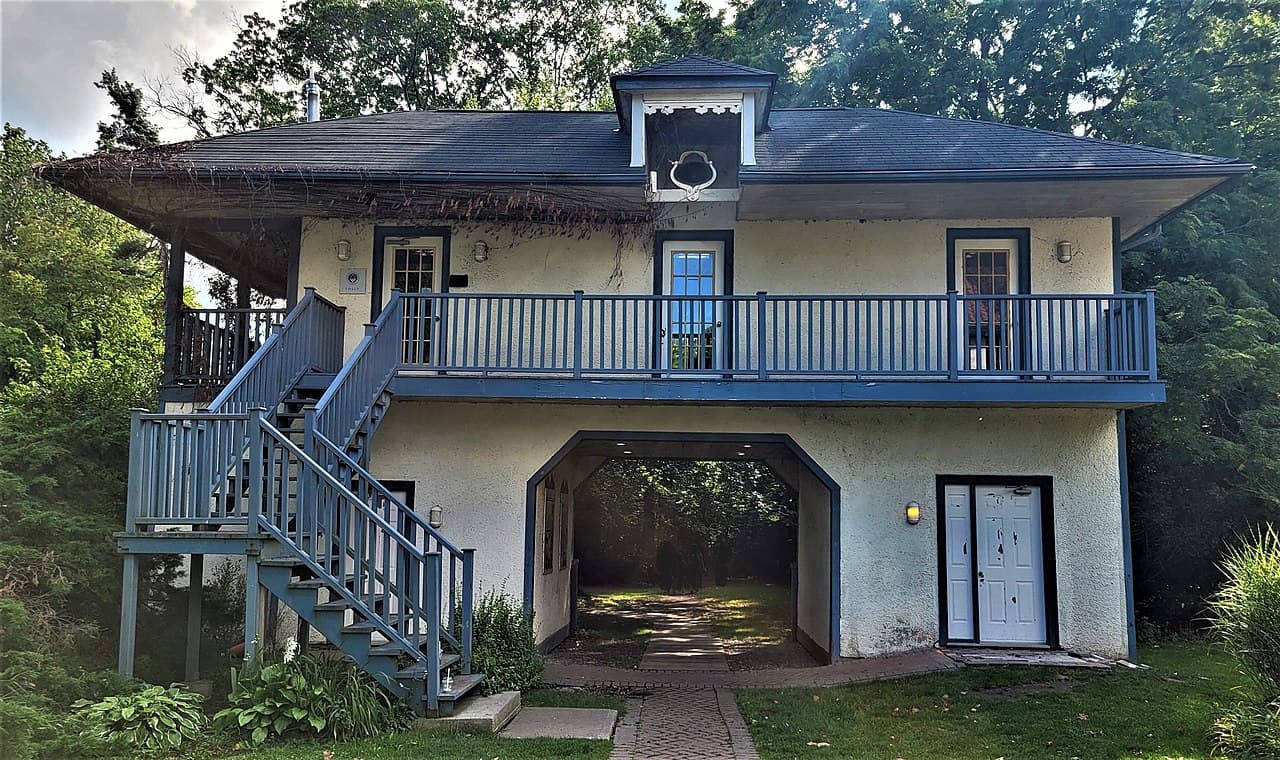
The Adamson Estate gatehouse
While the current house was built a little over a century ago, the property dates back to the early 1800s. Located in the east end neighbourhood of Lakeview along the Lake Ontario shoreline, the land was originally part of a Crown grant given to Joseph Cawthra.
In 1876, Joseph’s grandson, John Cawthra II, built what would become known as Grove Farm on the land as his summer home. In 1899, John’s daughter, Mabel Cawthra, received the estate as a wedding gift when she married Agar Adamson.
The couple replaced Grove Farm with the current Adamson House. According to the Canada’s Historic Places website, the estate–which has functioned as a public park and a campus for the Royal Conservatory of Music–spans 13.2 acres (much less than the 300 acres it spanned when it was the summer home of the Cawthra family).
The site said the property includes a two-storey manor house in the Colonial Revival and Flemish styles, a wooden gatehouse or folly, a barn, a pet cemetery (which the public has been able to tour in the past during the spooky season), and the remains of a pool.
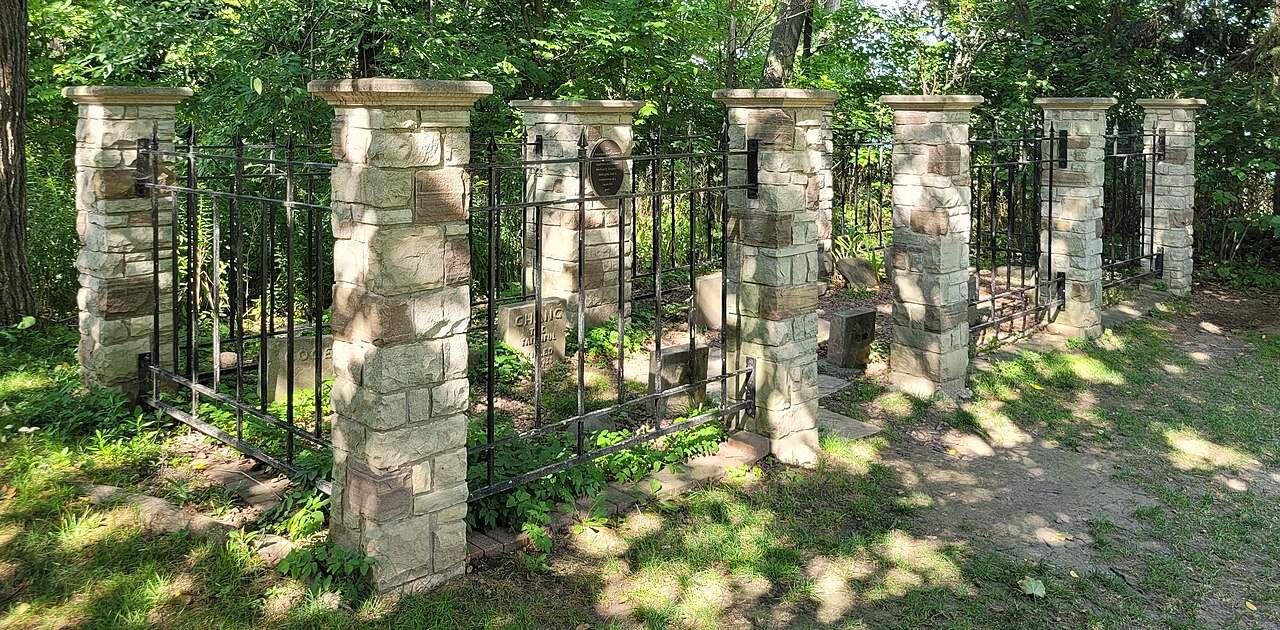
The pet cemetary
The property, which remained in the Cawthra family’s ownership until 1971, is rumoured to be haunted.
Some ghost enthusiasts claim a groundskeeper fell in love with a fellow servant who worked in the main estate. But after his love went unreciprocated, he died by suicide. He is believed to wander the grounds still.
As for the pet cemetery, the Adamson family were very fond of their pets, according to an article on Canadian Military History. They buried each pet on their estate when it died and marked the sites with gravestones.
Later, the City of Mississauga created the pet cemetery with pet tombstones found throughout the property, according to Canada’s Historic Places. A fence and stone pillars surround the graveyard.
An opening reception on Oct. 4, hosted by the Museums of Mississauga and Ward 1 Councillor Stephen Dasko, will kick off the exhibit.